

編輯:Android 程式設計入門
端午前有同事來問 Android 上 DES 加密怎麼做,簡單實作了一下,順手整理成筆記。
DES(Data Encryption Standard)是一種對稱加密演算法——加密與解密使用同一把金鑰。它出自 IBM 的研究,後來被美國政府正式採用,隨之廣泛流傳。
但近些年使用越來越少,原因很直接:DES 的有效金鑰只有 56 位,以現代的計算能力,24 小時內即可被破解。它今天主要存在於「對接老系統」的相容性場景裡。
private final static String HEX = "0123456789ABCDEF";
// DES 是加密方式,CBC 是工作模式,PKCS5Padding 是填充模式
private final static String TRANSFORMATION = "DES/CBC/PKCS5Padding";
// 初始化向量,AES 為 16 bytes,DES 為 8 bytes
private final static String IVPARAMETERSPEC = "01020304";
private final static String ALGORITHM = "DES";
// SHA1PRNG 強隨機種子演算法,注意 4.2 以上版本的呼叫方式有差異
private static final String SHA1PRNG = "SHA1PRNG";
這幾個常數裡最值得注意的是 TRANSFORMATION 的字串格式:演算法/模式/填充。只寫 "DES" 的話,不同 JDK 供應商會採用不同預設值,導致跨平台解密失敗。顯式寫全是最保險的做法。
金鑰長度不能小於 8 位元組,因為 DES 的固定格式是 64 bits,即 8 bytes。
/*
 * 生成隨機數作為動態金鑰。
 * 加密與解密必須使用同一把金鑰,否則無法解密。
 */
public static String generateKey() {
    try {
        SecureRandom localSecureRandom = SecureRandom.getInstance(SHA1PRNG);
        byte[] bytes_key = new byte[20];
        localSecureRandom.nextBytes(bytes_key);
        return toHex(bytes_key);
    } catch (Exception e) {
        e.printStackTrace();
    }
    return null;
}

// 位元組陣列轉十六進位字串
public static String toHex(byte[] buf) {
    if (buf == null) return "";
    StringBuffer result = new StringBuffer(2 * buf.length);
    for (int i = 0; i < buf.length; i++) {
        appendHex(result, buf[i]);
    }
    return result.toString();
}

private static void appendHex(StringBuffer sb, byte b) {
    sb.append(HEX.charAt((b >> 4) & 0x0f)).append(HEX.charAt(b & 0x0f));
}
// 對金鑰進行處理
private static Key getRawKey(String key) throws Exception {
    KeyGenerator kgen = KeyGenerator.getInstance(ALGORITHM);
    SecureRandom sr;
    // Android 4.2 以上版本,SecureRandom 的取得方式發生了改變
    if (android.os.Build.VERSION.SDK_INT >= 17) {
        sr = SecureRandom.getInstance(SHA1PRNG, "Crypto");
    } else {
        sr = SecureRandom.getInstance(SHA1PRNG);
    }
    sr.setSeed(key.getBytes());
    kgen.init(64, sr);   // DES 固定 64 bits
    SecretKey skey = kgen.generateKey();
    byte[] raw = skey.getEncoded();
    return new SecretKeySpec(raw, ALGORITHM);
}
// 對金鑰進行處理
private static Key getRawKey(String key) throws Exception {
    DESKeySpec dks = new DESKeySpec(key.getBytes());
    SecretKeyFactory keyFactory = SecretKeyFactory.getInstance(ALGORITHM);
    return keyFactory.generateSecret(dks);
}
兩者差異在於:方式一透過 SHA1PRNG 把任意長度的字串「揉」成金鑰,方式二則直接取字串的位元組。方式二比較直覺,但要注意 DESKeySpec 只會取前 8 個位元組,餘下部分被忽略。
/**
 * DES 加密
 * @param data 待加密字串
 * @param key  加密私鑰,長度不能小於 8 位
 * @return 加密後的結果,一般以 Base64 編碼後使用
 */
public static String encode(String key, String data) {
    return encode(key, data.getBytes());
}

/**
 * DES 加密
 * @param data 待加密位元組
 * @param key  加密私鑰
 * @return Base64 編碼後的密文
 */
public static String encode(String key, byte[] data) {
    try {
        Cipher cipher = Cipher.getInstance(TRANSFORMATION);
        IvParameterSpec iv = new IvParameterSpec(IVPARAMETERSPEC.getBytes());
        cipher.init(Cipher.ENCRYPT_MODE, getRawKey(key), iv);
        byte[] bytes = cipher.doFinal(data);
        return Base64.encodeToString(bytes, Base64.DEFAULT);
    } catch (Exception e) {
        return null;
    }
}
/**
 * DES 解密
 * @param key  解密私鑰
 * @param data Base64 編碼的密文
 */
public static String decode(String key, String data) {
    return decode(key, Base64.decode(data, Base64.DEFAULT));
}

/**
 * DES 解密
 * @param data 待解密的位元組
 * @param key  解密私鑰
 */
public static String decode(String key, byte[] data) {
    try {
        Cipher cipher = Cipher.getInstance(TRANSFORMATION);
        IvParameterSpec iv = new IvParameterSpec(IVPARAMETERSPEC.getBytes());
        cipher.init(Cipher.DECRYPT_MODE, getRawKey(key), iv);
        byte[] original = cipher.doFinal(data);
        return new String(original);
    } catch (Exception e) {
        return null;
    }
}
3DES(Triple DES)是 DES 的一種變形模式,使用三條 64 位金鑰對資料進行三次加密。1999 年 NIST 將 3DES 指定為過渡期的加密標準,它與 AES 之間的橋樑。3DES 以 DES 為基本模組,透過組合分組方法設計出更安全的分組加密演算法。
被問到為什麼用 DES 時,我內心深處是抗拒的。單從名字看,AES(Advanced Encryption Standard,高級加密標準)聽起來就比 DES 安全——事實也確實如此。
AES 的出現本來就是為了取代 DES,它在三個面向都更好:
所以結論很明確:對稱加密優先選 AES。 只有在你必須對接既有的老系統、而對方只認 DES 時,才不得不使用它。
 Android 應用閃退(Crash)分析與捕獲機制
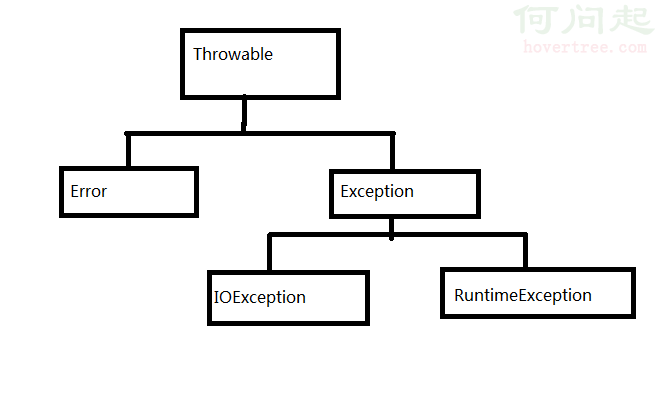
問題描述 閃退(Crash)是指客戶端程式在執行時遭遇無法處理的例外或錯誤而被迫結束的現象。要系統性地處理它,需要回答兩個問題:Crash 發生的原因如何分類、各對應什麼
 Android Fragment 深入解析:生命週期、返回堆疊與切換效能
Fragment 的生命週期與 Activity 類似,但實務上還牽涉到資料傳遞、onSaveInstanceState 的狀態保存、FragmentManager 的管
 Android Studio 專案目錄結構全解析
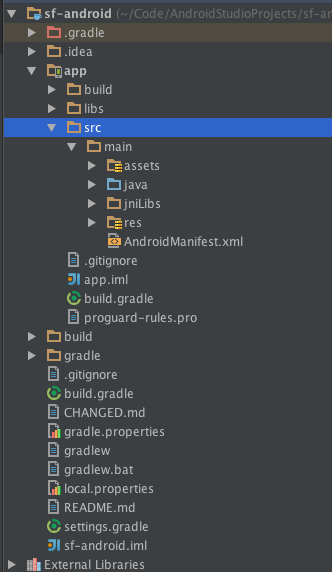
來快速認識一下 Android Studio 中不同檔案與目錄的位置與用途。先看一個 App 最簡單的目錄結構: 面對這麼多檔案,可以先把它們拆成三大塊: 1. 編譯系
 Android 學習筆記:ConnectivityManager 與 NetworkInfo 上手實踐
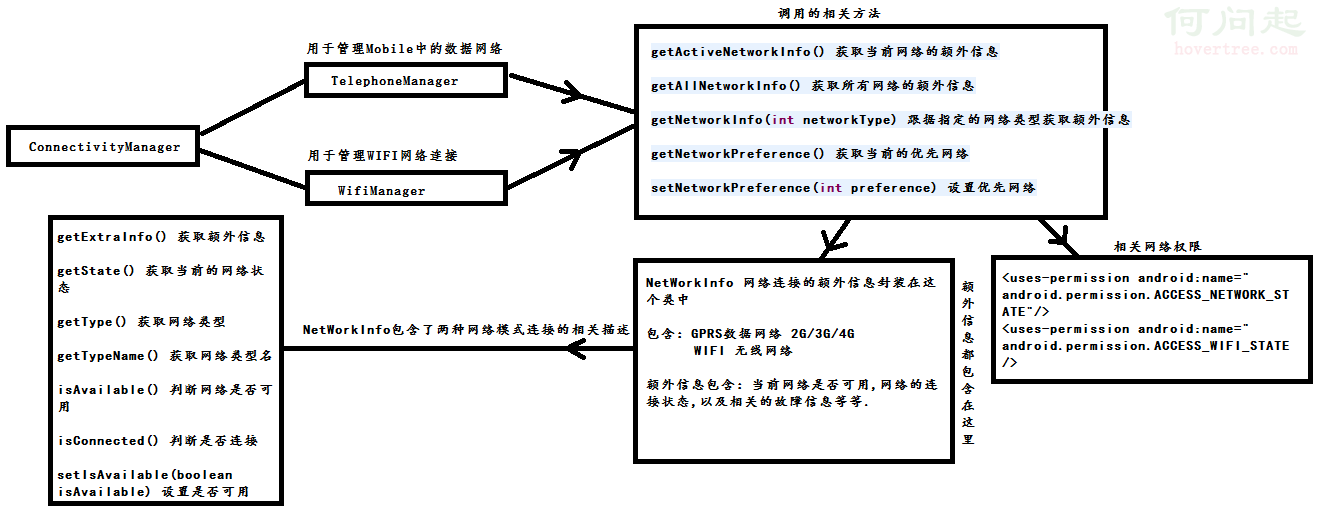
馬上就要開學了,該收收心,把前陣子累積的筆記整理出來。 學習內容 ConnectivityManager NetworkInfo ConnectivityMana