編輯:關於Android編程
消息都是存放在一個消息隊列中去,而消息循環線程就是圍繞這個消息隊列進入一個無限循環的,直到線程退出。如果隊列中有消息,消息循環線程就會把它取出來,並分發給相應的Handler進行處理;如果隊列中沒有消息,消息循環線程就會進入空閒等待狀態,等待下一個消息的到來。在編寫Android應用程序時,當程序執行的任務比較繁重時,為了不阻塞UI主線程而導致ANR的發生,我們通常的做法的創建一個子線程來完成特定的任務。在創建子線程時,有兩種選擇,一種通過創建Thread對象來創建一個無消息循環的子線程;還有一種就是創建一個帶有消息循環的子線程,而創建帶有消息循環的子線程由於兩種實現方法,一種是直接利用Android給我們封裝好的HandlerThread類來直接生成一個帶有消息循環的線程對象,另一種方法是在實現線程的run()方法內使用以下方式啟動一個消息循環:
通常消息都是有一個消息線程和一個Handler組成,下面我們看PowerManagerService中的一個消息Handler:
        mHandlerThread = new ServiceThread(TAG,
                Process.THREAD_PRIORITY_DISPLAY, false /*allowIo*/);
        mHandlerThread.start();
        mHandler = new PowerManagerHandler(mHandlerThread.getLooper());
這裡的ServiceThread就是一個HandlerThread,創建Handler的時候,必須把HandlerThread的looper傳進去,否則就是默認當前線程的looper。
而每個handler,大致如下:
    private final class PowerManagerHandler extends Handler {
        public PowerManagerHandler(Looper looper) {
            super(looper, null, true /*async*/);
        }

        @Override
        public void handleMessage(Message msg) {
            switch (msg.what) {
                case MSG_USER_ACTIVITY_TIMEOUT:
                    handleUserActivityTimeout();
                    break;
                case MSG_SANDMAN:
                    handleSandman();
                    break;
                case MSG_SCREEN_BRIGHTNESS_BOOST_TIMEOUT:
                    handleScreenBrightnessBoostTimeout();
                    break;
                case MSG_CHECK_WAKE_LOCK_ACQUIRE_TIMEOUT:
                    checkWakeLockAquireTooLong();
                    Message m = mHandler.obtainMessage(MSG_CHECK_WAKE_LOCK_ACQUIRE_TIMEOUT);
                    m.setAsynchronous(true);
                    mHandler.sendMessageDelayed(m, WAKE_LOCK_ACQUIRE_TOO_LONG_TIMEOUT);
                    break;
            }
        }
    }
那我們先來看下HandlerThread的主函數run函數:
    public void run() {
        mTid = Process.myTid();
        Looper.prepare();
        synchronized (this) {
            mLooper = Looper.myLooper();//賦值後notifyall,主要是getLooper函數返回的是mLooper
            notifyAll();
        }
        Process.setThreadPriority(mPriority);
        onLooperPrepared();
        Looper.loop();
        mTid = -1;
    }
再來看看Lopper的prepare函數,最後新建了一個Looper對象,並且放在線程的局部變量中。
    public static void prepare() {
        prepare(true);
    }

    private static void prepare(boolean quitAllowed) {
        if (sThreadLocal.get() != null) {
            throw new RuntimeException("Only one Looper may be created per thread");
        }
        sThreadLocal.set(new Looper(quitAllowed));
    }
Looper的構造函數中創建了MessageQueue
    private Looper(boolean quitAllowed) {
        mQueue = new MessageQueue(quitAllowed);
        mThread = Thread.currentThread();
    }
我們再來看下MessageQueue的構造函數,其中nativeInit是一個native方法,並且把返回值保存在mPtr顯然是用long型變量保存的指針
    MessageQueue(boolean quitAllowed) {
        mQuitAllowed = quitAllowed;
        mPtr = nativeInit();
    }
native函數中主要創建了NativeMessageQueue對象,並且把指針變量返回了。
static jlong android_os_MessageQueue_nativeInit(JNIEnv* env, jclass clazz) {
    NativeMessageQueue* nativeMessageQueue = new NativeMessageQueue();
    if (!nativeMessageQueue) {
        jniThrowRuntimeException(env, "Unable to allocate native queue");
        return 0;
    }

    nativeMessageQueue->incStrong(env);
    return reinterpret_cast(nativeMessageQueue);
}
NativeMessageQueue構造函數就是獲取mLooper,如果沒有就是新建一個Looper
NativeMessageQueue::NativeMessageQueue() :
        mPollEnv(NULL), mPollObj(NULL), mExceptionObj(NULL) {
    mLooper = Looper::getForThread();
    if (mLooper == NULL) {
        mLooper = new Looper(false);
        Looper::setForThread(mLooper);
    }
}
然後我們再看下Looper的構造函數,顯示調用了eventfd創建了一個fd,eventfd它的主要是用於進程或者線程間的通信,我們可以看下這篇博客eventfd介紹
Looper::Looper(bool allowNonCallbacks) :
        mAllowNonCallbacks(allowNonCallbacks), mSendingMessage(false),
        mPolling(false), mEpollFd(-1), mEpollRebuildRequired(false),
        mNextRequestSeq(0), mResponseIndex(0), mNextMessageUptime(LLONG_MAX) {
    mWakeEventFd = eventfd(0, EFD_NONBLOCK);
    LOG_ALWAYS_FATAL_IF(mWakeEventFd < 0, "Could not make wake event fd.  errno=%d", errno);

    AutoMutex _l(mLock);
    rebuildEpollLocked();
}
我們再來看下rebuildEpollLocked函數,創建了epoll,並且把mWakeEventFd加入epoll,而且把mRequests的fd也加入epoll
void Looper::rebuildEpollLocked() {
    // Close old epoll instance if we have one.
    if (mEpollFd >= 0) {
#if DEBUG_CALLBACKS
        ALOGD("%p ~ rebuildEpollLocked - rebuilding epoll set", this);
#endif
        close(mEpollFd);
    }

    // Allocate the new epoll instance and register the wake pipe.
    mEpollFd = epoll_create(EPOLL_SIZE_HINT);
    LOG_ALWAYS_FATAL_IF(mEpollFd < 0, "Could not create epoll instance.  errno=%d", errno);

    struct epoll_event eventItem;
    memset(& eventItem, 0, sizeof(epoll_event)); // zero out unused members of data field union
    eventItem.events = EPOLLIN;
    eventItem.data.fd = mWakeEventFd;
    int result = epoll_ctl(mEpollFd, EPOLL_CTL_ADD, mWakeEventFd, & eventItem);
    LOG_ALWAYS_FATAL_IF(result != 0, "Could not add wake event fd to epoll instance.  errno=%d",
            errno);

    for (size_t i = 0; i < mRequests.size(); i++) {
        const Request& request = mRequests.valueAt(i);
        struct epoll_event eventItem;
        request.initEventItem(&eventItem);

        int epollResult = epoll_ctl(mEpollFd, EPOLL_CTL_ADD, request.fd, & eventItem);
        if (epollResult < 0) {
            ALOGE("Error adding epoll events for fd %d while rebuilding epoll set, errno=%d",
                    request.fd, errno);
        }
    }
}
繼續回到HandlerThread的run函數,我們繼續分析Looper的loop函數
    public void run() {
        mTid = Process.myTid();
        Looper.prepare();
        synchronized (this) {
            mLooper = Looper.myLooper();
            notifyAll();
        }
        Process.setThreadPriority(mPriority);
        onLooperPrepared();
        Looper.loop();
        mTid = -1;
    }
我們看看Looper的loop函數:
    public static void loop() {
        final Looper me = myLooper();
        if (me == null) {
            throw new RuntimeException("No Looper; Looper.prepare() wasn't called on this thread.");
        }
        final MessageQueue queue = me.mQueue;//得到Looper的mQueue

        // Make sure the identity of this thread is that of the local process,
        // and keep track of what that identity token actually is.
        Binder.clearCallingIdentity();
        final long ident = Binder.clearCallingIdentity();

        for (;;) {
            Message msg = queue.next(); // might block這個函數會阻塞,阻塞主要是epoll_wait
            if (msg == null) {
                // No message indicates that the message queue is quitting.
                return;
            }

            // This must be in a local variable, in case a UI event sets the logger
            Printer logging = me.mLogging;//自己打的打印
            if (logging != null) {
                logging.println(">>>>> Dispatching to " + msg.target + " " +
                        msg.callback + ": " + msg.what);
            }

            msg.target.dispatchMessage(msg);

            if (logging != null) {
                logging.println("<<<<< Finished to " + msg.target + " " + msg.callback);
            }

            // Make sure that during the course of dispatching the
            // identity of the thread wasn't corrupted.
            final long newIdent = Binder.clearCallingIdentity();
            if (ident != newIdent) {
                Log.wtf(TAG, "Thread identity changed from 0x"
                        + Long.toHexString(ident) + " to 0x"
                        + Long.toHexString(newIdent) + " while dispatching to "
                        + msg.target.getClass().getName() + " "
                        + msg.callback + " what=" + msg.what);
            }

            msg.recycleUnchecked();
        }
    }
MessageQueue類的next函數主要是調用了nativePollOnce函數,後面就是從消息隊列中取出一個Message
    Message next() {
        // Return here if the message loop has already quit and been disposed.
        // This can happen if the application tries to restart a looper after quit
        // which is not supported.
        final long ptr = mPtr;//之前保留的指針
        if (ptr == 0) {
            return null;
        }

        int pendingIdleHandlerCount = -1; // -1 only during first iteration
        int nextPollTimeoutMillis = 0;
        for (;;) {
            if (nextPollTimeoutMillis != 0) {
                Binder.flushPendingCommands();
            }

            nativePollOnce(ptr, nextPollTimeoutMillis);
下面我們主要看下nativePollOnce這個native函數,把之前的指針強制轉換成NativeMessageQueue,然後調用其pollOnce函數
static void android_os_MessageQueue_nativePollOnce(JNIEnv* env, jobject obj,
        jlong ptr, jint timeoutMillis) {
    NativeMessageQueue* nativeMessageQueue = reinterpret_cast(ptr);
    nativeMessageQueue->pollOnce(env, obj, timeoutMillis);
}
pollOnce函數,這個函數前面的while一般都沒有只是處理了indent大於0的情況,這種情況一般沒有,所以我們可以直接看pollInner函數
int Looper::pollOnce(int timeoutMillis, int* outFd, int* outEvents, void** outData) {
    int result = 0;
    for (;;) {
        while (mResponseIndex < mResponses.size()) {
            const Response& response = mResponses.itemAt(mResponseIndex++);
            int ident = response.request.ident;
            if (ident >= 0) {
                int fd = response.request.fd;
                int events = response.events;
                void* data = response.request.data;
#if DEBUG_POLL_AND_WAKE
                ALOGD("%p ~ pollOnce - returning signalled identifier %d: "
                        "fd=%d, events=0x%x, data=%p",
                        this, ident, fd, events, data);
#endif
                if (outFd != NULL) *outFd = fd;
                if (outEvents != NULL) *outEvents = events;
                if (outData != NULL) *outData = data;
                return ident;
            }
        }

        if (result != 0) {
#if DEBUG_POLL_AND_WAKE
            ALOGD("%p ~ pollOnce - returning result %d", this, result);
#endif
            if (outFd != NULL) *outFd = 0;
            if (outEvents != NULL) *outEvents = 0;
            if (outData != NULL) *outData = NULL;
            return result;
        }

        result = pollInner(timeoutMillis);
    }
}
pollInner函數主要就是調用epoll_wait阻塞,並且java層會計算每次阻塞的時間傳到c層,等待有mWakeEventFd或者之前addFd的fd有事件過來,才會epoll_wait返回。
int Looper::pollInner(int timeoutMillis) {
#if DEBUG_POLL_AND_WAKE
    ALOGD("%p ~ pollOnce - waiting: timeoutMillis=%d", this, timeoutMillis);
#endif

    // Adjust the timeout based on when the next message is due.
    if (timeoutMillis != 0 && mNextMessageUptime != LLONG_MAX) {
        nsecs_t now = systemTime(SYSTEM_TIME_MONOTONIC);
        int messageTimeoutMillis = toMillisecondTimeoutDelay(now, mNextMessageUptime);
        if (messageTimeoutMillis >= 0
                && (timeoutMillis < 0 || messageTimeoutMillis < timeoutMillis)) {
            timeoutMillis = messageTimeoutMillis;
        }
#if DEBUG_POLL_AND_WAKE
        ALOGD("%p ~ pollOnce - next message in %" PRId64 "ns, adjusted timeout: timeoutMillis=%d",
                this, mNextMessageUptime - now, timeoutMillis);
#endif
    }

    // Poll.
    int result = POLL_WAKE;
    mResponses.clear();//清空mResponses
    mResponseIndex = 0;

    // We are about to idle.
    mPolling = true;

    struct epoll_event eventItems[EPOLL_MAX_EVENTS];
    int eventCount = epoll_wait(mEpollFd, eventItems, EPOLL_MAX_EVENTS, timeoutMillis);//epoll_wait主要線程阻塞在這,這個阻塞的時間也是有java層傳過來的

    // No longer idling.
    mPolling = false;

    // Acquire lock.
    mLock.lock();

    // Rebuild epoll set if needed.
    if (mEpollRebuildRequired) {
        mEpollRebuildRequired = false;
        rebuildEpollLocked();
        goto Done;
    }

    // Check for poll error.
    if (eventCount < 0) {
        if (errno == EINTR) {
            goto Done;
        }
        ALOGW("Poll failed with an unexpected error, errno=%d", errno);
        result = POLL_ERROR;
        goto Done;
    }

    // Check for poll timeout.
    if (eventCount == 0) {
#if DEBUG_POLL_AND_WAKE
        ALOGD("%p ~ pollOnce - timeout", this);
#endif
        result = POLL_TIMEOUT;
        goto Done;
    }

    // Handle all events.
#if DEBUG_POLL_AND_WAKE
    ALOGD("%p ~ pollOnce - handling events from %d fds", this, eventCount);
#endif

    for (int i = 0; i < eventCount; i++) {
        int fd = eventItems[i].data.fd;
        uint32_t epollEvents = eventItems[i].events;
        if (fd == mWakeEventFd) {//通知喚醒線程的事件
            if (epollEvents & EPOLLIN) {
                awoken();
            } else {
                ALOGW("Ignoring unexpected epoll events 0x%x on wake event fd.", epollEvents);
            }
        } else {
            ssize_t requestIndex = mRequests.indexOfKey(fd);//之前addFd的事件
            if (requestIndex >= 0) {
                int events = 0;
                if (epollEvents & EPOLLIN) events |= EVENT_INPUT;
                if (epollEvents & EPOLLOUT) events |= EVENT_OUTPUT;
                if (epollEvents & EPOLLERR) events |= EVENT_ERROR;
                if (epollEvents & EPOLLHUP) events |= EVENT_HANGUP;
                pushResponse(events, mRequests.valueAt(requestIndex));//放在mResponses中
            } else {
                ALOGW("Ignoring unexpected epoll events 0x%x on fd %d that is "
                        "no longer registered.", epollEvents, fd);
            }
        }
    }
Done: ;

    // Invoke pending message callbacks.
    mNextMessageUptime = LLONG_MAX;
    while (mMessageEnvelopes.size() != 0) {// 這塊主要是c層的消息,java層的消息是自己管理的
        nsecs_t now = systemTime(SYSTEM_TIME_MONOTONIC);
        const MessageEnvelope& messageEnvelope = mMessageEnvelopes.itemAt(0);
        if (messageEnvelope.uptime <= now) {
            // Remove the envelope from the list.
            // We keep a strong reference to the handler until the call to handleMessage
            // finishes.  Then we drop it so that the handler can be deleted *before*
            // we reacquire our lock.
            { // obtain handler
                sp handler = messageEnvelope.handler;
                Message message = messageEnvelope.message;
                mMessageEnvelopes.removeAt(0);
                mSendingMessage = true;
                mLock.unlock();

#if DEBUG_POLL_AND_WAKE || DEBUG_CALLBACKS
                ALOGD("%p ~ pollOnce - sending message: handler=%p, what=%d",
                        this, handler.get(), message.what);
#endif
                handler->handleMessage(message);
            } // release handler

            mLock.lock();
            mSendingMessage = false;
            result = POLL_CALLBACK;
        } else {
            // The last message left at the head of the queue determines the next wakeup time.
            mNextMessageUptime = messageEnvelope.uptime;
            break;
        }
    }

    // Release lock.
    mLock.unlock();

    // Invoke all response callbacks.
    for (size_t i = 0; i < mResponses.size(); i++) {//這是之前addFd的事件的處理,主要是遍歷mResponses,然後調用其回調
        Response& response = mResponses.editItemAt(i);
        if (response.request.ident == POLL_CALLBACK) {
            int fd = response.request.fd;
            int events = response.events;
            void* data = response.request.data;
#if DEBUG_POLL_AND_WAKE || DEBUG_CALLBACKS
            ALOGD("%p ~ pollOnce - invoking fd event callback %p: fd=%d, events=0x%x, data=%p",
                    this, response.request.callback.get(), fd, events, data);
#endif
            // Invoke the callback.  Note that the file descriptor may be closed by
            // the callback (and potentially even reused) before the function returns so
            // we need to be a little careful when removing the file descriptor afterwards.
            int callbackResult = response.request.callback->handleEvent(fd, events, data);
            if (callbackResult == 0) {
                removeFd(fd, response.request.seq);
            }

            // Clear the callback reference in the response structure promptly because we
            // will not clear the response vector itself until the next poll.
            response.request.callback.clear();
            result = POLL_CALLBACK;
        }
    }
    return result;
}
繼續分析Looper的loop函數,可以增加自己的打印來調試代碼,之前調用Message的target的dispatchMessage來分配消息
        for (;;) {
            Message msg = queue.next(); // might block
            if (msg == null) {
                // No message indicates that the message queue is quitting.
                return;
            }

            // This must be in a local variable, in case a UI event sets the logger
            Printer logging = me.mLogging;//自己的打印
            if (logging != null) {
                logging.println(">>>>> Dispatching to " + msg.target + " " +
                        msg.callback + ": " + msg.what);
            }

            msg.target.dispatchMessage(msg);

            if (logging != null) {
                logging.println("<<<<< Finished to " + msg.target + " " + msg.callback);
            }

            // Make sure that during the course of dispatching the
            // identity of the thread wasn't corrupted.
            final long newIdent = Binder.clearCallingIdentity();
            if (ident != newIdent) {
                Log.wtf(TAG, "Thread identity changed from 0x"
                        + Long.toHexString(ident) + " to 0x"
                        + Long.toHexString(newIdent) + " while dispatching to "
                        + msg.target.getClass().getName() + " "
                        + msg.callback + " what=" + msg.what);
            }

            msg.recycleUnchecked();
        }
    }
我們先來看自己添加打印,可以通過Lopper的setMessageLogging函數來打印
    public void setMessageLogging(@Nullable Printer printer) {
        mLogging = printer;
    }
Printer就是一個interface
public interface Printer {
    /**
     * Write a line of text to the output.  There is no need to terminate
     * the given string with a newline.
     */
    void println(String x);
}
再來看消息的分發,先是調用Handler的obtainMessage函數
                Message msg = mHandler.obtainMessage(MSG_CHECK_WAKE_LOCK_ACQUIRE_TIMEOUT);
                msg.setAsynchronous(true);
                mHandler.sendMessageDelayed(msg, WAKE_LOCK_ACQUIRE_TOO_LONG_TIMEOUT);
先看obtainMessage調用了Message的obtain函數
    public final Message obtainMessage(int what)
    {
        return Message.obtain(this, what);
    }
Message的obtain函數就是新建一個Message,然後其target就是設置成其Handler
    public static Message obtain(Handler h, int what) {
        Message m = obtain();//就是新建一個Message
        m.target = h;
        m.what = what;

        return m;
    }
我們再聯系之前分發消息
msg.target.dispatchMessage(msg);最後就是調用Handler的dispatchMessage函數,最後在Handler中,最後會根據不同的情況對消息進行處理。
    public void dispatchMessage(Message msg) {
        if (msg.callback != null) {
            handleCallback(msg);//這種就是用post形式發送,帶Runnable的
        } else {
            if (mCallback != null) {//這種是handler傳參的時候就是傳入了mCallback回調了
                if (mCallback.handleMessage(msg)) {
                    return;
                }
            }
            handleMessage(msg);//最後就是在自己實現的handleMessage處理
        }
    }
我們再看下java層的消息發送,主要也是調用Handler的sendMessage post之類函數,最終都會調用下面這個函數
    public boolean sendMessageAtTime(Message msg, long uptimeMillis) {
        MessageQueue queue = mQueue;
        if (queue == null) {
            RuntimeException e = new RuntimeException(
                    this + " sendMessageAtTime() called with no mQueue");
            Log.w("Looper", e.getMessage(), e);
            return false;
        }
        return enqueueMessage(queue, msg, uptimeMillis);
    }
我們再來看java層發送消息最終都會調用enqueueMessage函數
    private boolean enqueueMessage(MessageQueue queue, Message msg, long uptimeMillis) {
        msg.target = this;
        if (mAsynchronous) {
            msg.setAsynchronous(true);
        }
        return queue.enqueueMessage(msg, uptimeMillis);
    }
最終在enqueueMessage中,把消息加入消息隊列,然後需要的話就調用c層的nativeWake函數
    boolean enqueueMessage(Message msg, long when) {
        if (msg.target == null) {
            throw new IllegalArgumentException("Message must have a target.");
        }
        if (msg.isInUse()) {
            throw new IllegalStateException(msg + " This message is already in use.");
        }

        synchronized (this) {
            if (mQuitting) {
                IllegalStateException e = new IllegalStateException(
                        msg.target + " sending message to a Handler on a dead thread");
                Log.w(TAG, e.getMessage(), e);
                msg.recycle();
                return false;
            }

            msg.markInUse();
            msg.when = when;
            Message p = mMessages;
            boolean needWake;
            if (p == null || when == 0 || when < p.when) {
                // New head, wake up the event queue if blocked.
                msg.next = p;
                mMessages = msg;
                needWake = mBlocked;
            } else {
                // Inserted within the middle of the queue.  Usually we don't have to wake
                // up the event queue unless there is a barrier at the head of the queue
                // and the message is the earliest asynchronous message in the queue.
                needWake = mBlocked && p.target == null && msg.isAsynchronous();
                Message prev;
                for (;;) {
                    prev = p;
                    p = p.next;
                    if (p == null || when < p.when) {
                        break;
                    }
                    if (needWake && p.isAsynchronous()) {
                        needWake = false;
                    }
                }
                msg.next = p; // invariant: p == prev.next
                prev.next = msg;
            }

            // We can assume mPtr != 0 because mQuitting is false.
            if (needWake) {
                nativeWake(mPtr);
            }
        }
        return true;
    }
我們看下這個native方法,最後也是調用了Looper的wake函數
static void android_os_MessageQueue_nativeWake(JNIEnv* env, jclass clazz, jlong ptr) {
    NativeMessageQueue* nativeMessageQueue = reinterpret_cast(ptr);
    nativeMessageQueue->wake();
}
void NativeMessageQueue::wake() {
    mLooper->wake();
}
Looper類的wake,函數只是往mWakeEventfd中寫了一些內容,這個fd只是通知而已,類似pipe,最後會把epoll_wait喚醒,線程就不阻塞了繼續先發送c層消息,然後處理之前addFd的事件,然後處理java層的消息。
void Looper::wake() {
#if DEBUG_POLL_AND_WAKE
    ALOGD("%p ~ wake", this);
#endif

    uint64_t inc = 1;
    ssize_t nWrite = TEMP_FAILURE_RETRY(write(mWakeEventFd, &inc, sizeof(uint64_t)));
    if (nWrite != sizeof(uint64_t)) {
        if (errno != EAGAIN) {
            ALOGW("Could not write wake signal, errno=%d", errno);
        }
    }
}
在c層也是可以發送消息的,主要是調用Looper的sendMessageAtTime函數,參數有有一個handler是一個回調,我們把消息放在mMessageEnvelopes中。
void Looper::sendMessageAtTime(nsecs_t uptime, const sp& handler,
        const Message& message) {
#if DEBUG_CALLBACKS
    ALOGD("%p ~ sendMessageAtTime - uptime=%" PRId64 ", handler=%p, what=%d",
            this, uptime, handler.get(), message.what);
#endif

    size_t i = 0;
    { // acquire lock
        AutoMutex _l(mLock);

        size_t messageCount = mMessageEnvelopes.size();
        while (i < messageCount && uptime >= mMessageEnvelopes.itemAt(i).uptime) {
            i += 1;
        }

        MessageEnvelope messageEnvelope(uptime, handler, message);
        mMessageEnvelopes.insertAt(messageEnvelope, i, 1);

        // Optimization: If the Looper is currently sending a message, then we can skip
        // the call to wake() because the next thing the Looper will do after processing
        // messages is to decide when the next wakeup time should be.  In fact, it does
        // not even matter whether this code is running on the Looper thread.
        if (mSendingMessage) {
            return;
        }
    } // release lock

    // Wake the poll loop only when we enqueue a new message at the head.
    if (i == 0) {
        wake();
    }
}
當在pollOnce中,在epoll_wait之後,會遍歷mMessageEnvelopes中的消息,然後調用其handler的handleMessage函數
    while (mMessageEnvelopes.size() != 0) {
        nsecs_t now = systemTime(SYSTEM_TIME_MONOTONIC);
        const MessageEnvelope& messageEnvelope = mMessageEnvelopes.itemAt(0);
        if (messageEnvelope.uptime <= now) {
            // Remove the envelope from the list.
            // We keep a strong reference to the handler until the call to handleMessage
            // finishes.  Then we drop it so that the handler can be deleted *before*
            // we reacquire our lock.
            { // obtain handler
                sp handler = messageEnvelope.handler;
                Message message = messageEnvelope.message;
                mMessageEnvelopes.removeAt(0);
                mSendingMessage = true;
                mLock.unlock();

#if DEBUG_POLL_AND_WAKE || DEBUG_CALLBACKS
                ALOGD("%p ~ pollOnce - sending message: handler=%p, what=%d",
                        this, handler.get(), message.what);
#endif
                handler->handleMessage(message);
            } // release handler

            mLock.lock();
            mSendingMessage = false;
            result = POLL_CALLBACK;
        } else {
            // The last message left at the head of the queue determines the next wakeup time.
            mNextMessageUptime = messageEnvelope.uptime;
            break;
        }
    }
有一個Looper_test.cpp文件,裡面介紹了很多Looper的使用方法,我們來看下
    sp handler = new StubMessageHandler();
    mLooper->sendMessageAtTime(now + ms2ns(100), handler, Message(MSG_TEST1));
StubMessageHandler繼承MessageHandler就必須實現handleMessage方法
class StubMessageHandler : public MessageHandler {
public:
    Vector messages;

    virtual void handleMessage(const Message& message) {
        messages.push(message);
    }
};
我們再順便看下Message和MessageHandler類
struct Message {
    Message() : what(0) { }
    Message(int what) : what(what) { }

    /* The message type. (interpretation is left up to the handler) */
    int what;
};


/**
 * Interface for a Looper message handler.
 *
 * The Looper holds a strong reference to the message handler whenever it has
 * a message to deliver to it.  Make sure to call Looper::removeMessages
 * to remove any pending messages destined for the handler so that the handler
 * can be destroyed.
 */
class MessageHandler : public virtual RefBase {
protected:
    virtual ~MessageHandler() { }

public:
    /**
     * Handles a message.
     */
    virtual void handleMessage(const Message& message) = 0;
};
我們也可以在Looper.cpp的addFd中增加fd放入線程epoll中,當fd有數據來我們也可以處理相應的數據,下面我們先來看下addFd函數,我們注意其中有一個callBack回調
int Looper::addFd(int fd, int ident, int events, Looper_callbackFunc callback, void* data) {
    return addFd(fd, ident, events, callback ? new SimpleLooperCallback(callback) : NULL, data);
}

int Looper::addFd(int fd, int ident, int events, const sp& callback, void* data) {
#if DEBUG_CALLBACKS
    ALOGD("%p ~ addFd - fd=%d, ident=%d, events=0x%x, callback=%p, data=%p", this, fd, ident,
            events, callback.get(), data);
#endif

    if (!callback.get()) {
        if (! mAllowNonCallbacks) {
            ALOGE("Invalid attempt to set NULL callback but not allowed for this looper.");
            return -1;
        }

        if (ident < 0) {
            ALOGE("Invalid attempt to set NULL callback with ident < 0.");
            return -1;
        }
    } else {
        ident = POLL_CALLBACK;
    }

    { // acquire lock
        AutoMutex _l(mLock);

        Request request;
        request.fd = fd;
        request.ident = ident;
        request.events = events;
        request.seq = mNextRequestSeq++;
        request.callback = callback;
        request.data = data;
        if (mNextRequestSeq == -1) mNextRequestSeq = 0; // reserve sequence number -1

        struct epoll_event eventItem;
        request.initEventItem(&eventItem);

        ssize_t requestIndex = mRequests.indexOfKey(fd);
        if (requestIndex < 0) {
            int epollResult = epoll_ctl(mEpollFd, EPOLL_CTL_ADD, fd, & eventItem);//加入epoll
            if (epollResult < 0) {
                ALOGE("Error adding epoll events for fd %d, errno=%d", fd, errno);
                return -1;
            }
            mRequests.add(fd, request);//放入mRequests中
        } else {
            int epollResult = epoll_ctl(mEpollFd, EPOLL_CTL_MOD, fd, & eventItem);//更新
            if (epollResult < 0) {
                if (errno == ENOENT) {
                    // Tolerate ENOENT because it means that an older file descriptor was
                    // closed before its callback was unregistered and meanwhile a new
                    // file descriptor with the same number has been created and is now
                    // being registered for the first time.  This error may occur naturally
                    // when a callback has the side-effect of closing the file descriptor
                    // before returning and unregistering itself.  Callback sequence number
                    // checks further ensure that the race is benign.
                    //
                    // Unfortunately due to kernel limitations we need to rebuild the epoll
                    // set from scratch because it may contain an old file handle that we are
                    // now unable to remove since its file descriptor is no longer valid.
                    // No such problem would have occurred if we were using the poll system
                    // call instead, but that approach carries others disadvantages.
#if DEBUG_CALLBACKS
                    ALOGD("%p ~ addFd - EPOLL_CTL_MOD failed due to file descriptor "
                            "being recycled, falling back on EPOLL_CTL_ADD, errno=%d",
                            this, errno);
#endif
                    epollResult = epoll_ctl(mEpollFd, EPOLL_CTL_ADD, fd, & eventItem);
                    if (epollResult < 0) {
                        ALOGE("Error modifying or adding epoll events for fd %d, errno=%d",
                                fd, errno);
                        return -1;
                    }
                    scheduleEpollRebuildLocked();
                } else {
                    ALOGE("Error modifying epoll events for fd %d, errno=%d", fd, errno);
                    return -1;
                }
            }
            mRequests.replaceValueAt(requestIndex, request);
        }
    } // release lock
    return 1;
}
在pollOnce函數中,我們先尋找mRequests中匹配的fd,然後在pushResponse中新建一個Response,然後把Response和Request匹配起來。
        } else {
            ssize_t requestIndex = mRequests.indexOfKey(fd);
            if (requestIndex >= 0) {
                int events = 0;
                if (epollEvents & EPOLLIN) events |= EVENT_INPUT;
                if (epollEvents & EPOLLOUT) events |= EVENT_OUTPUT;
                if (epollEvents & EPOLLERR) events |= EVENT_ERROR;
                if (epollEvents & EPOLLHUP) events |= EVENT_HANGUP;
                pushResponse(events, mRequests.valueAt(requestIndex));
            } else {
                ALOGW("Ignoring unexpected epoll events 0x%x on fd %d that is "
                        "no longer registered.", epollEvents, fd);
            }
        }
下面我們就會遍歷mResponses中的Response,然後調用其request中的回調
    for (size_t i = 0; i < mResponses.size(); i++) {
        Response& response = mResponses.editItemAt(i);
        if (response.request.ident == POLL_CALLBACK) {
            int fd = response.request.fd;
            int events = response.events;
            void* data = response.request.data;
#if DEBUG_POLL_AND_WAKE || DEBUG_CALLBACKS
            ALOGD("%p ~ pollOnce - invoking fd event callback %p: fd=%d, events=0x%x, data=%p",
                    this, response.request.callback.get(), fd, events, data);
#endif
            // Invoke the callback.  Note that the file descriptor may be closed by
            // the callback (and potentially even reused) before the function returns so
            // we need to be a little careful when removing the file descriptor afterwards.
            int callbackResult = response.request.callback->handleEvent(fd, events, data);
            if (callbackResult == 0) {
                removeFd(fd, response.request.seq);
            }

            // Clear the callback reference in the response structure promptly because we
            // will not clear the response vector itself until the next poll.
            response.request.callback.clear();
            result = POLL_CALLBACK;
        }
    }
同樣我們再來看看Looper_test.cpp是如何使用的?
    Pipe pipe;
    StubCallbackHandler handler(true);

    handler.setCallback(mLooper, pipe.receiveFd, Looper::EVENT_INPUT);
我們看下handler的setCallback函數
class CallbackHandler {
public:
    void setCallback(const sp& looper, int fd, int events) {
        looper->addFd(fd, 0, events, staticHandler, this);//就是調用了looper的addFd函數,並且回調
    }

protected:
    virtual ~CallbackHandler() { }

    virtual int handler(int fd, int events) = 0;

private:
    static int staticHandler(int fd, int events, void* data) {//這個就是回調函數
        return static_cast(data)->handler(fd, events);
    }
};

class StubCallbackHandler : public CallbackHandler {
public:
    int nextResult;
    int callbackCount;

    int fd;
    int events;

    StubCallbackHandler(int nextResult) : nextResult(nextResult),
            callbackCount(0), fd(-1), events(-1) {
    }

protected:
    virtual int handler(int fd, int events) {//這個是通過回調函數再調到這裡的
        callbackCount += 1;
        this->fd = fd;
        this->events = events;
        return nextResult;
    }
};
我們結合Looper的addFd一起來看,當callback是有的,我們新建一個SimpleLooperCallback
int Looper::addFd(int fd, int ident, int events, Looper_callbackFunc callback, void* data) {
    return addFd(fd, ident, events, callback ? new SimpleLooperCallback(callback) : NULL, data);
}
這裡的Looper_callbackFunc是一個typedef
typedef int (*Looper_callbackFunc)(int fd, int events, void* data);
我們再來看SimpleLooperCallback
class SimpleLooperCallback : public LooperCallback {
protected:
    virtual ~SimpleLooperCallback();

public:
    SimpleLooperCallback(Looper_callbackFunc callback);
    virtual int handleEvent(int fd, int events, void* data);

private:
    Looper_callbackFunc mCallback;
};
SimpleLooperCallback::SimpleLooperCallback(Looper_callbackFunc callback) :
        mCallback(callback) {
}

SimpleLooperCallback::~SimpleLooperCallback() {
}

int SimpleLooperCallback::handleEvent(int fd, int events, void* data) {
    return mCallback(fd, events, data);
}
最後我們是調用callback->handleEvent(fd, events, data),而callback就是SimpleLooperCallback,這裡的data,之前傳進來的就是CallbackHandler 的this指針
因此最後就是調用了staticHandler,而data->handler,就是this->handler,最後是虛函數就調用到了StubCallbackHandler 的handler函數中了。
當然我們也可以不用這麼復雜,直接使用第二個addFd函數,當然callBack我們需要自己定義一個類來實現LooperCallBack類就行了,這樣就簡單多了。
int addFd(int fd, int ident, int events, const sp& callback, void* data);
一直以為只能在c層的Looper中才能addFd,原來在java層也通過jni做了這個功能。
我們可以在MessageQueue中的addOnFileDescriptorEventListener來實現這個功能
    public void addOnFileDescriptorEventListener(@NonNull FileDescriptor fd,
            @OnFileDescriptorEventListener.Events int events,
            @NonNull OnFileDescriptorEventListener listener) {
        if (fd == null) {
            throw new IllegalArgumentException("fd must not be null");
        }
        if (listener == null) {
            throw new IllegalArgumentException("listener must not be null");
        }

        synchronized (this) {
            updateOnFileDescriptorEventListenerLocked(fd, events, listener);
        }
    }
我們再來看看OnFileDescriptorEventListener 這個回調
    public interface OnFileDescriptorEventListener {
        public static final int EVENT_INPUT = 1 << 0;
        public static final int EVENT_OUTPUT = 1 << 1;
        public static final int EVENT_ERROR = 1 << 2;

        /** @hide */
        @Retention(RetentionPolicy.SOURCE)
        @IntDef(flag=true, value={EVENT_INPUT, EVENT_OUTPUT, EVENT_ERROR})
        public @interface Events {}


        @Events int onFileDescriptorEvents(@NonNull FileDescriptor fd, @Events int events);
    }
接著調用了updateOnFileDescriptorEventListenerLocked函數
    private void updateOnFileDescriptorEventListenerLocked(FileDescriptor fd, int events,
            OnFileDescriptorEventListener listener) {
        final int fdNum = fd.getInt$();

        int index = -1;
        FileDescriptorRecord record = null;
        if (mFileDescriptorRecords != null) {
            index = mFileDescriptorRecords.indexOfKey(fdNum);
            if (index >= 0) {
                record = mFileDescriptorRecords.valueAt(index);
                if (record != null && record.mEvents == events) {
                    return;
                }
            }
        }

        if (events != 0) {
            events |= OnFileDescriptorEventListener.EVENT_ERROR;
            if (record == null) {
                if (mFileDescriptorRecords == null) {
                    mFileDescriptorRecords = new SparseArray();
                }
                record = new FileDescriptorRecord(fd, events, listener);//fd保存在FileDescriptorRecord對象
                mFileDescriptorRecords.put(fdNum, record);//mFileDescriptorRecords然後保存在
            } else {
                record.mListener = listener;
                record.mEvents = events;
                record.mSeq += 1;
            }
            nativeSetFileDescriptorEvents(mPtr, fdNum, events);//調用native函數
        } else if (record != null) {
            record.mEvents = 0;
            mFileDescriptorRecords.removeAt(index);
        }
    }
native最後調用了NativeMessageQueue的setFileDescriptorEvents函數
static void android_os_MessageQueue_nativeSetFileDescriptorEvents(JNIEnv* env, jclass clazz,
        jlong ptr, jint fd, jint events) {
    NativeMessageQueue* nativeMessageQueue = reinterpret_cast(ptr);
    nativeMessageQueue->setFileDescriptorEvents(fd, events);
}
setFileDescriptorEvents函數,這個addFd就是調用的第二個addFd,因此我們可以肯定NativeMessageQueue繼承了LooperCallback
void NativeMessageQueue::setFileDescriptorEvents(int fd, int events) {
    if (events) {
        int looperEvents = 0;
        if (events & CALLBACK_EVENT_INPUT) {
            looperEvents |= Looper::EVENT_INPUT;
        }
        if (events & CALLBACK_EVENT_OUTPUT) {
            looperEvents |= Looper::EVENT_OUTPUT;
        }
        mLooper->addFd(fd, Looper::POLL_CALLBACK, looperEvents, this,
                reinterpret_cast(events));
    } else {
        mLooper->removeFd(fd);
    }
}
果然是,需要實現handleEvent函數
class NativeMessageQueue : public MessageQueue, public LooperCallback {
public:
    NativeMessageQueue();
    virtual ~NativeMessageQueue();

    virtual void raiseException(JNIEnv* env, const char* msg, jthrowable exceptionObj);

    void pollOnce(JNIEnv* env, jobject obj, int timeoutMillis);
    void wake();
    void setFileDescriptorEvents(int fd, int events);

    virtual int handleEvent(int fd, int events, void* data);
handleEvent就是在looper中epoll_wait之後,當我們增加的fd有數據就會調用這個函數
int NativeMessageQueue::handleEvent(int fd, int looperEvents, void* data) {
    int events = 0;
    if (looperEvents & Looper::EVENT_INPUT) {
        events |= CALLBACK_EVENT_INPUT;
    }
    if (looperEvents & Looper::EVENT_OUTPUT) {
        events |= CALLBACK_EVENT_OUTPUT;
    }
    if (looperEvents & (Looper::EVENT_ERROR | Looper::EVENT_HANGUP | Looper::EVENT_INVALID)) {
        events |= CALLBACK_EVENT_ERROR;
    }
    int oldWatchedEvents = reinterpret_cast(data);
    int newWatchedEvents = mPollEnv->CallIntMethod(mPollObj,
            gMessageQueueClassInfo.dispatchEvents, fd, events); //調用回調
    if (!newWatchedEvents) {
        return 0; // unregister the fd
    }
    if (newWatchedEvents != oldWatchedEvents) {
        setFileDescriptorEvents(fd, newWatchedEvents);
    }
    return 1;
}
最後在java的MessageQueue中的dispatchEvents就是在jni層反調過來的,然後調用之前注冊的回調函數
    // Called from native code.
    private int dispatchEvents(int fd, int events) {
        // Get the file descriptor record and any state that might change.
        final FileDescriptorRecord record;
        final int oldWatchedEvents;
        final OnFileDescriptorEventListener listener;
        final int seq;
        synchronized (this) {
            record = mFileDescriptorRecords.get(fd);//通過fd得到FileDescriptorRecord
            if (record == null) {
                return 0; // spurious, no listener registered
            }

            oldWatchedEvents = record.mEvents;
            events &= oldWatchedEvents; // filter events based on current watched set
            if (events == 0) {
                return oldWatchedEvents; // spurious, watched events changed
            }

            listener = record.mListener;
            seq = record.mSeq;
        }

        // Invoke the listener outside of the lock.
        int newWatchedEvents = listener.onFileDescriptorEvents(//listener回調
                record.mDescriptor, events);
        if (newWatchedEvents != 0) {
            newWatchedEvents |= OnFileDescriptorEventListener.EVENT_ERROR;
        }

        // Update the file descriptor record if the listener changed the set of
        // events to watch and the listener itself hasn't been updated since.
        if (newWatchedEvents != oldWatchedEvents) {
            synchronized (this) {
                int index = mFileDescriptorRecords.indexOfKey(fd);
                if (index >= 0 && mFileDescriptorRecords.valueAt(index) == record
                        && record.mSeq == seq) {
                    record.mEvents = newWatchedEvents;
                    if (newWatchedEvents == 0) {
                        mFileDescriptorRecords.removeAt(index);
                    }
                }
            }
        }

        // Return the new set of events to watch for native code to take care of.
        return newWatchedEvents;
    }
 Android動態加載布局
ListView我們一直都在用,只不過當Adapter中的內容比較多的時候我們有時候沒辦法去設置一些組件,舉個例子:可以看到京東的故事裡面的這樣一個布局,這個布局可以說是
 MPAndroidChart系列源碼解讀(五)
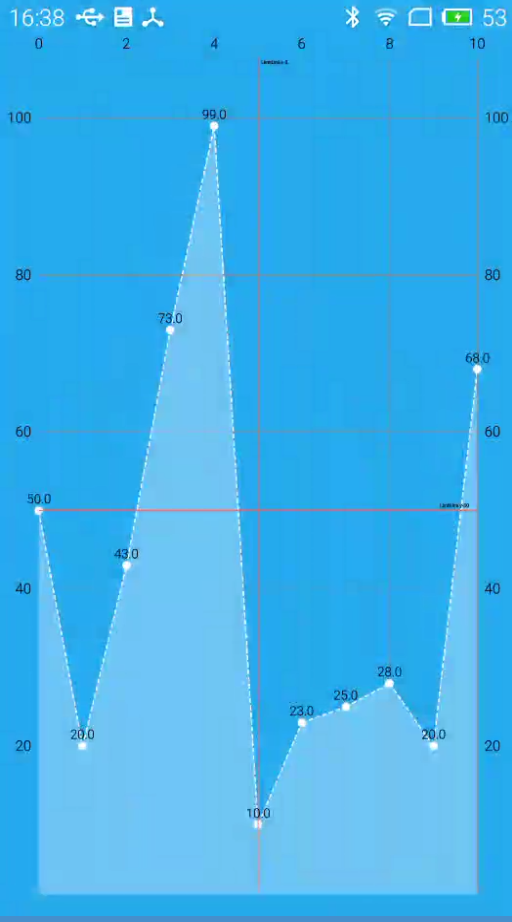
本篇主要是LineChart實戰相關知識和簡單的源碼剖析,相關源碼沒有,自己動手實踐學習才是最有效的方法。LineChart Simple運行效果圖個人感官覺得某些屬性設
 android LinearLayout和RelativeLayout組合實現精確布局方法介紹
先明確幾個概念的區別: padding margin都是邊距的含義,關鍵問題得明白是什麼相對什麼的邊距. padding是控件的內容相對控件的邊緣的邊距. margin是
 android源碼解析之(十四)--)Activity啟動流程
好吧,終於要開始講解Activity的啟動流程了,Activity的啟動流程相對復雜一下,涉及到了Activity中的生命周期方法,涉及到了Android體系的CS模式,