編輯:關於Android編程
1、main函數,setup_uinput_device 完成設備的注冊,然後創建一個線程 VirtualInputDev_EventThread,該線程重復發出keycode;
  int main()
{


	printf("Enter process !!!! \n");

    stVirtualInputDevData *pKpdData = (stVirtualInputDevData*) malloc(sizeof(stVirtualInputDevData));
	  pKpdData->min_keycode = umin_keycode;
	  pKpdData->max_keycode = umax_keycode;
    if (setup_uinput_device(pKpdData) < 0) {
        printf("Unable to find uInput device\n");
        free(pKpdData);
        return -1;
    }

    pthread_attr_t attr;
    pthread_attr_init(&attr);
    pthread_attr_setdetachstate(&attr, PTHREAD_CREATE_DETACHED);
    if (0 != pthread_create(&keypad_EventThreadId, &attr, VirtualInputDev_EventThread, (void *)0)) {
        printf("Create KeypadEventThread Failed!!\n");
        exit(1);
    }

    // Coverity server need set to ignore this.
    while (1) {
        usleep(1000000);  // sleep 1 second
    }

    free(pKpdData);
    pKpdData = 0;

    // Destroy the device
    ioctl(uinp_fd, UI_DEV_DESTROY);

    close(uinp_fd);
    return 0;
}
   int setup_uinput_device(stVirtualInputDevData* mstVirtualInputDevData)
{
    struct uinput_user_dev uinp; // uInput device structure
    int i;

    // Open the input device
    uinp_fd = open("/dev/uinput", O_WRONLY | O_NDELAY);
    if (uinp_fd == 0) {
        printf("Unable to open /dev/uinput\n");
        return -1;
    }

    // Intialize the uInput device to NULL
    memset(&uinp, 0x00, sizeof(uinp));
    strncpy(uinp.name, "virtualinputdev", sizeof(uinp.name)-1);
    uinp.id.vendor = 0x1341;
    uinp.id.product = 0x0001;
    uinp.id.bustype = BUS_VIRTUAL;

    // Keyboard
    ioctl(uinp_fd, UI_SET_EVBIT, EV_KEY);
    for (i = mstVirtualInputDevData->min_keycode; i < mstVirtualInputDevData->max_keycode; i++) {
        ioctl(uinp_fd, UI_SET_KEYBIT, i);
    }

    // Create input device into input sub-system
    if (write(uinp_fd, &uinp, sizeof(uinp)) != sizeof(uinp)) {
        printf("First write returned fail.\n");
        return -1;
    }

    if (ioctl(uinp_fd, UI_DEV_CREATE)) {
        printf("ioctl UI_DEV_CREATE returned fail.\n");
        return -1;
    }

    return 1;
} static void* VirtualInputDev_EventThread(void *driver_data)
{
unsigned char u8Keycode,i=umin_keycode;
while (1) {
u8Keycode = 0xff;
/* sleep an interval time */
usleep(2000000);//sleep 5 s
/* fill event to uinput device. */
write_event_to_device(i++, 0);
if(i==4){
i = 0;
}
printf ("virtualinputdev thread ...\n");
//i %= umax_keycode;
}
printf ("virtualinputdev thread died\n");
pthread_exit(0);
return 0;
} void write_event_to_device(unsigned char u8KeyCode, unsigned char u8Repeat)
{
struct input_event event; // Input device structure
struct timespec s;
s.tv_nsec = 5000000L;
s.tv_sec = 0;
memset(&event, 0x00, sizeof(event));
gettimeofday(&event.time, 0);
event.type = EV_KEY;
event.code = u8KeyCode;
event.value = 1;
write(uinp_fd, &event, sizeof(event));
memset(&event, 0x00, sizeof(event));
gettimeofday(&event.time, 0);
event.type = EV_KEY;
event.code = u8KeyCode;
event.value = 0;
write(uinp_fd, &event, sizeof(event));
memset(&event, 0x00, sizeof(event));
gettimeofday(&event.time, 0);
event.type = EV_SYN;
event.code = SYN_REPORT;
event.value = 0;
write(uinp_fd, &event, sizeof(event));
} Android - 五子連珠
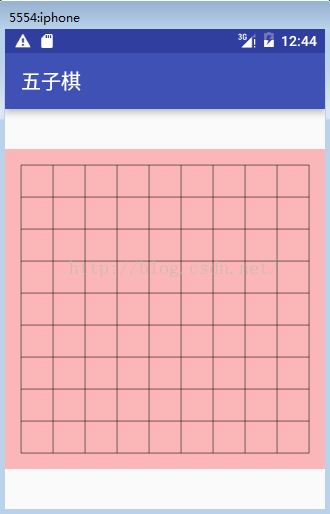
繪制棋盤面板:MainActivity.javapackage com.xbmu.wuziqi;import android.support.v7.app.AppComp
 RxJava2 淺析
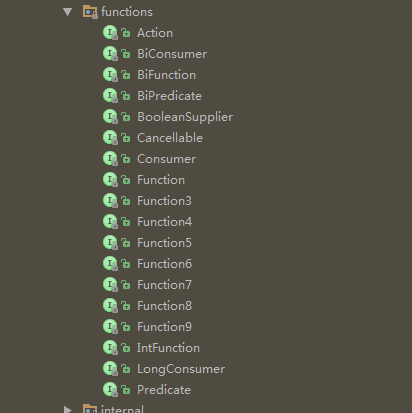
前段時間閱讀了RxJava1.x的源碼,剛好RxJava2.x也發布了RC版,為了迎接10月底的正式版,趁熱打鐵,本篇將對RxJava2.x進行一個簡單的剖析。Obser
 圖片會說話系列之Android事件的分發傳遞機制
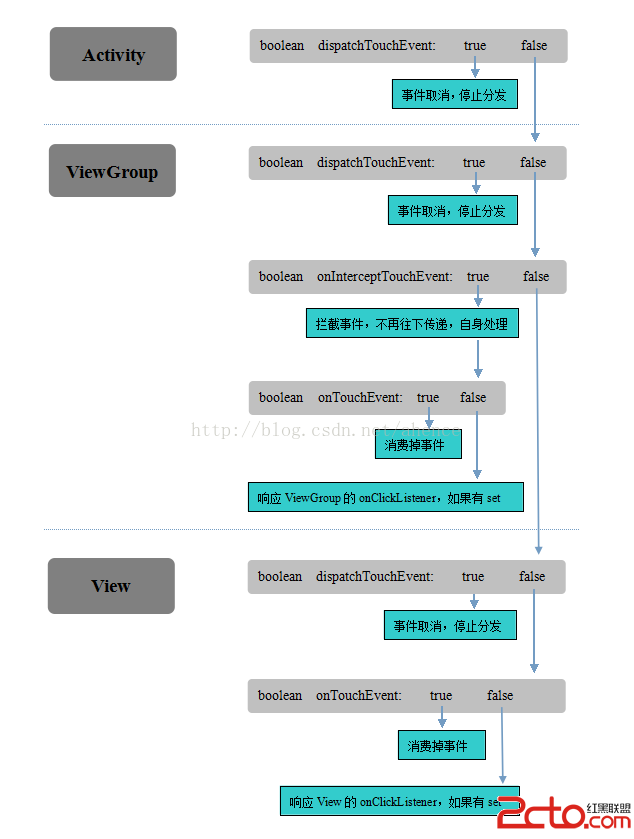
在一些復雜布局中,經常會遇到事件沖突,事件失效等問題,這就需要我們深入理解Android事件的分發傳遞機制。最好的方法是自己寫一個demo,打印事件相關的日志查看其運行流
 Android對話框(四)PopupWindow
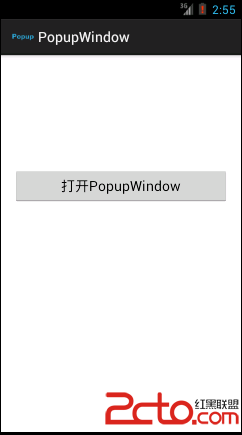
主布局 Popup對話框布局 package com.example.popupwindow; import