編輯:關於Android編程
當一個Touch事件發生,系統首先把事件傳遞給當前的Activity,由Activity的dispatchTouchEvent分發事件,源碼如下:
public boolean dispatchTouchEvent(MotionEvent ev) {
        if (ev.getAction() == MotionEvent.ACTION_DOWN) {
            onUserInteraction();
        }
        if (getWindow().superDispatchTouchEvent(ev)) {
            return true;
        }
        return onTouchEvent(ev);
    }
Down事件發生時會進入一個onUserInteraction()方法,點進去可以看到這是一個空方法,我們可以根據需求重寫該方法。
getWindow().superDispatchTouchEvent(ev)調用Window的superDispatchTouchEvent方法分發事件,而Window的實現是PhoneWindow,所以是調用PhoneWindow的superDispatchTouchEvent派發事件,在這裡面就是將事件從最外層向裡逐級派發。如果返回false,也就是事件沒有消耗,會執行下面的onTouchEvent
下面就看看ViewGroup裡面的事件派發
 @Override
    public boolean dispatchTouchEvent(MotionEvent ev) {
        if (mInputEventConsistencyVerifier != null) {
            mInputEventConsistencyVerifier.onTouchEvent(ev, 1);
        }

        // If the event targets the accessibility focused view and this is it, start
        // normal event dispatch. Maybe a descendant is what will handle the click.
        if (ev.isTargetAccessibilityFocus() && isAccessibilityFocusedViewOrHost()) {
            ev.setTargetAccessibilityFocus(false);
        }

        boolean handled = false;
        if (onFilterTouchEventForSecurity(ev)) {
            final int action = ev.getAction();
            final int actionMasked = action & MotionEvent.ACTION_MASK;

            // Handle an initial down.
            if (actionMasked == MotionEvent.ACTION_DOWN) {
                // Throw away all previous state when starting a new touch gesture.
                // The framework may have dropped the up or cancel event for the previous gesture
                // due to an app switch, ANR, or some other state change.
                cancelAndClearTouchTargets(ev);
                resetTouchState();
            }

            // Check for interception.
            final boolean intercepted;
            if (actionMasked == MotionEvent.ACTION_DOWN
                    || mFirstTouchTarget != null) {
                final boolean disallowIntercept = (mGroupFlags & FLAG_DISALLOW_INTERCEPT) != 0;
                if (!disallowIntercept) {
                    intercepted = onInterceptTouchEvent(ev);
                    ev.setAction(action); // restore action in case it was changed
                } else {
                    intercepted = false;
                }
            } else {
                // There are no touch targets and this action is not an initial down
                // so this view group continues to intercept touches.
                intercepted = true;
            }

            // If intercepted, start normal event dispatch. Also if there is already
            // a view that is handling the gesture, do normal event dispatch.
            if (intercepted || mFirstTouchTarget != null) {
                ev.setTargetAccessibilityFocus(false);
            }

            // Check for cancelation.
            final boolean canceled = resetCancelNextUpFlag(this)
                    || actionMasked == MotionEvent.ACTION_CANCEL;

            // Update list of touch targets for pointer down, if needed.
            final boolean split = (mGroupFlags & FLAG_SPLIT_MOTION_EVENTS) != 0;
            TouchTarget newTouchTarget = null;
            boolean alreadyDispatchedToNewTouchTarget = false;
            if (!canceled && !intercepted) {

                // If the event is targeting accessiiblity focus we give it to the
                // view that has accessibility focus and if it does not handle it
                // we clear the flag and dispatch the event to all children as usual.
                // We are looking up the accessibility focused host to avoid keeping
                // state since these events are very rare.
                View childWithAccessibilityFocus = ev.isTargetAccessibilityFocus()
                        ? findChildWithAccessibilityFocus() : null;

                if (actionMasked == MotionEvent.ACTION_DOWN
                        || (split && actionMasked == MotionEvent.ACTION_POINTER_DOWN)
                        || actionMasked == MotionEvent.ACTION_HOVER_MOVE) {
                    final int actionIndex = ev.getActionIndex(); // always 0 for down
                    final int idBitsToAssign = split ? 1 << ev.getPointerId(actionIndex)
                            : TouchTarget.ALL_POINTER_IDS;

                    // Clean up earlier touch targets for this pointer id in case they
                    // have become out of sync.
                    removePointersFromTouchTargets(idBitsToAssign);

                    final int childrenCount = mChildrenCount;
                    if (newTouchTarget == null && childrenCount != 0) {
                        final float x = ev.getX(actionIndex);
                        final float y = ev.getY(actionIndex);
                        // Find a child that can receive the event.
                        // Scan children from front to back.
                        final ArrayList preorderedList = buildOrderedChildList();
                        final boolean customOrder = preorderedList == null
                                && isChildrenDrawingOrderEnabled();
                        final View[] children = mChildren;
                        for (int i = childrenCount - 1; i >= 0; i--) {
                            final int childIndex = customOrder
                                    ? getChildDrawingOrder(childrenCount, i) : i;
                            final View child = (preorderedList == null)
                                    ? children[childIndex] : preorderedList.get(childIndex);

                            // If there is a view that has accessibility focus we want it
                            // to get the event first and if not handled we will perform a
                            // normal dispatch. We may do a double iteration but this is
                            // safer given the timeframe.
                            if (childWithAccessibilityFocus != null) {
                                if (childWithAccessibilityFocus != child) {
                                    continue;
                                }
                                childWithAccessibilityFocus = null;
                                i = childrenCount - 1;
                            }

                            if (!canViewReceivePointerEvents(child)
                                    || !isTransformedTouchPointInView(x, y, child, null)) {
                                ev.setTargetAccessibilityFocus(false);
                                continue;
                            }

                            newTouchTarget = getTouchTarget(child);
                            if (newTouchTarget != null) {
                                // Child is already receiving touch within its bounds.
                                // Give it the new pointer in addition to the ones it is handling.
                                newTouchTarget.pointerIdBits |= idBitsToAssign;
                                break;
                            }

                            resetCancelNextUpFlag(child);
                            if (dispatchTransformedTouchEvent(ev, false, child, idBitsToAssign)) {
                                // Child wants to receive touch within its bounds.
                                mLastTouchDownTime = ev.getDownTime();
                                if (preorderedList != null) {
                                    // childIndex points into presorted list, find original index
                                    for (int j = 0; j < childrenCount; j++) {
                                        if (children[childIndex] == mChildren[j]) {
                                            mLastTouchDownIndex = j;
                                            break;
                                        }
                                    }
                                } else {
                                    mLastTouchDownIndex = childIndex;
                                }
                                mLastTouchDownX = ev.getX();
                                mLastTouchDownY = ev.getY();
                                newTouchTarget = addTouchTarget(child, idBitsToAssign);
                                alreadyDispatchedToNewTouchTarget = true;
                                break;
                            }

                            // The accessibility focus didn't handle the event, so clear
                            // the flag and do a normal dispatch to all children.
                            ev.setTargetAccessibilityFocus(false);
                        }
                        if (preorderedList != null) preorderedList.clear();
                    }

                    if (newTouchTarget == null && mFirstTouchTarget != null) {
                        // Did not find a child to receive the event.
                        // Assign the pointer to the least recently added target.
                        newTouchTarget = mFirstTouchTarget;
                        while (newTouchTarget.next != null) {
                            newTouchTarget = newTouchTarget.next;
                        }
                        newTouchTarget.pointerIdBits |= idBitsToAssign;
                    }
                }
            }

            // Dispatch to touch targets.
            if (mFirstTouchTarget == null) {
                // No touch targets so treat this as an ordinary view.
                handled = dispatchTransformedTouchEvent(ev, canceled, null,
                        TouchTarget.ALL_POINTER_IDS);
            } else {
                // Dispatch to touch targets, excluding the new touch target if we already
                // dispatched to it.  Cancel touch targets if necessary.
                TouchTarget predecessor = null;
                TouchTarget target = mFirstTouchTarget;
                while (target != null) {
                    final TouchTarget next = target.next;
                    if (alreadyDispatchedToNewTouchTarget && target == newTouchTarget) {
                        handled = true;
                    } else {
                        final boolean cancelChild = resetCancelNextUpFlag(target.child)
                                || intercepted;
                        if (dispatchTransformedTouchEvent(ev, cancelChild,
                                target.child, target.pointerIdBits)) {
                            handled = true;
                        }
                        if (cancelChild) {
                            if (predecessor == null) {
                                mFirstTouchTarget = next;
                            } else {
                                predecessor.next = next;
                            }
                            target.recycle();
                            target = next;
                            continue;
                        }
                    }
                    predecessor = target;
                    target = next;
                }
            }

            // Update list of touch targets for pointer up or cancel, if needed.
            if (canceled
                    || actionMasked == MotionEvent.ACTION_UP
                    || actionMasked == MotionEvent.ACTION_HOVER_MOVE) {
                resetTouchState();
            } else if (split && actionMasked == MotionEvent.ACTION_POINTER_UP) {
                final int actionIndex = ev.getActionIndex();
                final int idBitsToRemove = 1 << ev.getPointerId(actionIndex);
                removePointersFromTouchTargets(idBitsToRemove);
            }
        }

        if (!handled && mInputEventConsistencyVerifier != null) {
            mInputEventConsistencyVerifier.onUnhandledEvent(ev, 1);
        }
        return handled;
    }
1.在19~25行,是處理down事件,清除之前的狀態,cancelAndClearTouchTargets(ev)中把mFirstTouchTarget設置為空。
2.到28行,是判斷是否攔截事件,看看29~42這段代碼
if (actionMasked == MotionEvent.ACTION_DOWN
                   || mFirstTouchTarget != null) {
               final boolean disallowIntercept = (mGroupFlags & FLAG_DISALLOW_INTERCEPT) != 0;
               if (!disallowIntercept) {
                   intercepted = onInterceptTouchEvent(ev);
                   ev.setAction(action); // restore action in case it was changed
               } else {
                   intercepted = false;
               }
           } else {
               // There are no touch targets and this action is not an initial down
               // so this view group continues to intercept touches.
               intercepted = true;
           }
disallowIntercept是禁止攔截
當Action_Down時,如果disallowIntercept為true,intercepted 為false,不攔截;disallowIntercept為false,執行onInterceptTouchEvent(ev)方法,返回值決定intercepted
當不是Action_Down時,如果mFirstTouchTarget ==null,intercepted 為true,攔截事件;mFirstTouchTarget !=null,執行和上面一樣。onInterceptTouchEvent(ev)默認返回時false,可以在ViewGroup裡面重寫,修改返回是否攔截。
ViewGroup中的requestDisallowInterceptTouchEvent( )方法可以用來禁止或允許ViewGroup攔截Touch事件,但是它對於ACTION_DOWN是無效的。因為在ACTION_DOWN時會調用resetTouchState()重置了FLAG_DISALLOW_INTERCEPT,所以總會調用onInterceptTouchEvent判讀是否攔截。
3.28~158,是對down事件的處理
檢查是否cancel,然後進行事件的分發。58行,事件沒有被cancel或者攔截會進入下面判斷
68~70行判斷事件是否是ACTION_DOWN,ACTION_POINTER_DOWN(多點觸控),ACTION_HOVER_MOVE(懸停),如果是執行內部的語句。
89行的for循環是查找接收touch事件的view,找到點擊位置的子view,調用dispatchTransformedTouchEvent(),把touch事件派發給子view,dispatchTransformedTouchEvent()的返回值為true,代表子view消費了事件,並且添加此子view到觸摸鏈表,放到表頭。mFirstTouchTarget 也就不為空了,否則返回false,mFirstTouchTarget 還是空。
newTouchTarget = addTouchTarget(child, idBitsToAssign);
163~197,繼續分發事件,down,move,up都會進入。注意這裡是mFirstTouchTarget不為空才進入的,也就是說view沒有處理down事件,那麼接下來的move,up事件也不會處理
當mFirstTouchTarget為空,表示ViewGroup攔截了事件,或者子view沒有消費事件,也就直接調用dispatchTransformedTouchEvent()
當mFirstTouchTarget不為空,174~175,alreadyDispatchedToNewTouchTarget為true表示已經處理了down事件
move和up事件沒有處理,調用dispatchTransformedTouchEvent()處理
下面寫個demo測試
主界面
public class MainActivity extends AppCompatActivity {

    private static final String TAG = "lzy";

    @Override
    protected void onCreate(Bundle savedInstanceState) {
        super.onCreate(savedInstanceState);
        setContentView(R.layout.activity_main);
    }

    @Override
    public boolean dispatchTouchEvent(MotionEvent event) {
        switch (event.getAction()) {
            case MotionEvent.ACTION_DOWN:
                Log.i(TAG, "Activity-------------dispatchTouchEvent: ACTION_DOWN");
                break;
            case MotionEvent.ACTION_MOVE:
                Log.i(TAG, "Activity-------------dispatchTouchEvent: ACTION_MOVE");
                break;
            case MotionEvent.ACTION_UP:
                Log.i(TAG, "Activity-------------dispatchTouchEvent: ACTION_UP");
                break;
        }
        return super.dispatchTouchEvent(event);

    }

    @Override
    public boolean onTouchEvent(MotionEvent event) {
        switch (event.getAction()) {
            case MotionEvent.ACTION_DOWN:
                Log.i(TAG, "Activity-------------onTouchEvent: ACTION_DOWN");
                break;
            case MotionEvent.ACTION_MOVE:
                Log.i(TAG, "Activity-------------onTouchEvent: ACTION_MOVE");
                break;
            case MotionEvent.ACTION_UP:
                Log.i(TAG, "Activity-------------onTouchEvent: ACTION_UP");
                break;
        }
        return super.onTouchEvent(event);
    }

}
自定義View
public class MyView extends View {
    private static final String TAG = "lzy";

    public MyView(Context context) {
        super(context);
    }

    public MyView(Context context, AttributeSet attrs) {
        super(context, attrs);
    }

    public MyView(Context context, AttributeSet attrs, int defStyleAttr) {
        super(context, attrs, defStyleAttr);
    }

    @Override
    public boolean dispatchTouchEvent(MotionEvent event) {
        switch (event.getAction()) {
            case MotionEvent.ACTION_DOWN:
                Log.i(TAG, "MyView-------------dispatchTouchEvent: ACTION_DOWN");
                break;
            case MotionEvent.ACTION_MOVE:
                Log.i(TAG, "MyView-------------dispatchTouchEvent: ACTION_MOVE");
                break;
            case MotionEvent.ACTION_UP:
                Log.i(TAG, "MyView-------------dispatchTouchEvent: ACTION_UP");
                break;
        }
        return super.dispatchTouchEvent(event);

    }

    @Override
    public boolean onTouchEvent(MotionEvent event) {
        switch (event.getAction()) {
            case MotionEvent.ACTION_DOWN:
                Log.i(TAG, "MyView-------------onTouchEvent: ACTION_DOWN");
                break;
            case MotionEvent.ACTION_MOVE:
                Log.i(TAG, "MyView-------------onTouchEvent: ACTION_MOVE");
                break;
            case MotionEvent.ACTION_UP:
                Log.i(TAG, "MyView-------------onTouchEvent: ACTION_UP");
                break;
        }
        return false;
    }

}
自定義ViewGroup
public class MyViewGroup extends ViewGroup {
    private static final String TAG = "lzy";

    public MyViewGroup(Context context) {
        super(context);
    }

    public MyViewGroup(Context context, AttributeSet attrs) {
        super(context, attrs);
    }

    public MyViewGroup(Context context, AttributeSet attrs, int defStyleAttr) {
        super(context, attrs, defStyleAttr);
    }

    @Override
    protected void onMeasure(int widthMeasureSpec, int heightMeasureSpec) {
        setMeasuredDimension(measureSize(widthMeasureSpec), measureSize(heightMeasureSpec));
        //測量每個children
        measureChildren(widthMeasureSpec, heightMeasureSpec);
    }

    private int measureSize(int measureSpec) {
        int result = 0;
        int specMode = MeasureSpec.getMode(measureSpec);
        int specSize = MeasureSpec.getSize(measureSpec);
        if (specMode == MeasureSpec.EXACTLY) {
            result = specSize;
        } else {
            result = 300;
            if (specMode == MeasureSpec.AT_MOST) {
                result = Math.min(result, specSize);
            }
        }
        return result;

    }

    @Override
    protected void onLayout(boolean changed, int l, int t, int r, int b) {
        MyView view = (MyView) findViewById(R.id.view);
        view.layout(0, 0, view.getMeasuredWidth(), view.getMeasuredHeight());

    }


    @Override
    public boolean onInterceptTouchEvent(MotionEvent ev) {
        switch (ev.getAction()) {
            case MotionEvent.ACTION_DOWN:
                Log.i(TAG, "MyViewGroup-------------onInterceptTouchEvent: ACTION_DOWN");
                break;
            case MotionEvent.ACTION_MOVE:
                Log.i(TAG, "MyViewGroup-------------onInterceptTouchEvent: ACTION_MOVE");
                break;
            case MotionEvent.ACTION_UP:
                Log.i(TAG, "MyViewGroup-------------onInterceptTouchEvent: ACTION_UP");
                break;
        }
        return super.onInterceptTouchEvent(ev);
    }

    @Override
    public boolean dispatchTouchEvent(MotionEvent event) {
        switch (event.getAction()) {
            case MotionEvent.ACTION_DOWN:
                Log.i(TAG, "MyViewGroup-------------dispatchTouchEvent: ACTION_DOWN");
                break;
            case MotionEvent.ACTION_MOVE:
                Log.i(TAG, "MyViewGroup-------------dispatchTouchEvent: ACTION_MOVE");
                break;
            case MotionEvent.ACTION_UP:
                Log.i(TAG, "MyViewGroup-------------dispatchTouchEvent: ACTION_UP");
                break;
        }
        return super.dispatchTouchEvent(event);

    }

    @Override
    public boolean onTouchEvent(MotionEvent event) {
        switch (event.getAction()) {
            case MotionEvent.ACTION_DOWN:
                Log.i(TAG, "MyViewGroup-------------onTouchEvent: ACTION_DOWN");
                break;
            case MotionEvent.ACTION_MOVE:
                Log.i(TAG, "MyViewGroup-------------onTouchEvent: ACTION_MOVE");
                break;
            case MotionEvent.ACTION_UP:
                Log.i(TAG, "MyViewGroup-------------onTouchEvent: ACTION_UP");
                break;
        }
        return super.onTouchEvent(event);
    }


}
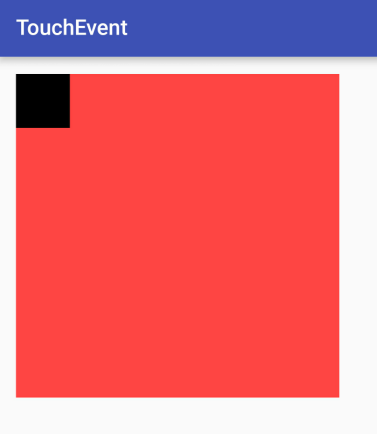
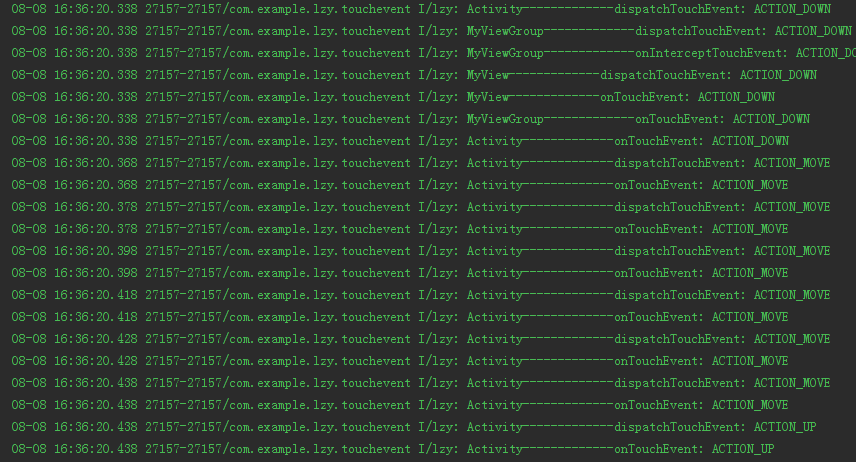
2.把View的onTouchEvent返回true,打印日志如下
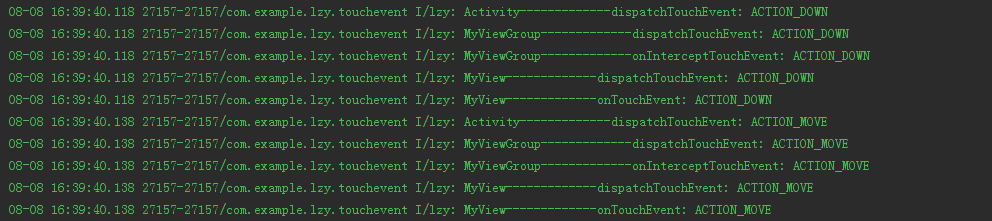

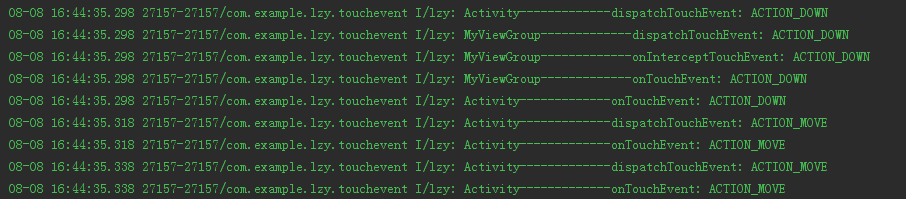
3.把ViewGroup的onInterceptTouchEvent返回true,View收不到touch事件

 通過Android trace文件分析死鎖ANR實例過程
對於從事Android開發的人來說,遇到ANR(Application Not Responding)是比較常見的問題。一般情況下,如果有ANR發生,系統都會在/data
 Android初級教程反射+AIDL+內容觀察者監控黑名單號碼代碼模板
對於想要攔截一些莫名的陌生號碼,就需要電話攔截功能與刪除其電話記錄功能。攔截的主要業務邏輯,分別是在一個服務裡面進行:1、注冊電話監聽;2、取消注冊電話監聽(當然注冊於取
 小米2S技巧-小米2S兩種快捷截屏方法
小米手機如何快速截屏:在這裡總結了兩種小米手機快速截屏的方法,不知道或者要用的童鞋還不快點收藏起來試試看!1、下拉通知欄,點擊截屏,2秒後直接進入截屏截取當
 Android Service組件在新進程綁定(bindService)過程
1、首先看兩個例子 (1)進程內 Client端 public class CounterService extends Service impleme