

編輯:關於 Android 程式設計
許多開發者會以為 inflate(resource, null)、inflate(resource, root, false) 與 inflate(resource, root, true) 的差別只在於是否把 View 加入父容器。實際上,這三者在 LayoutParams 與回傳值上都有明顯差異。
在 ListView 的 getView 中,若使用 inflate(item, null),item 根 View 的寬高可能無法正確套用;若使用 inflate(item, parent, false),LayoutParams 會被正確產生;若使用 inflate(item, parent, true),則可能觸發 AdapterView 不支援 addView 的錯誤。
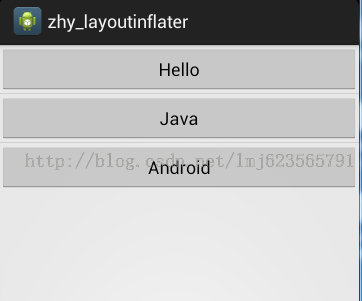
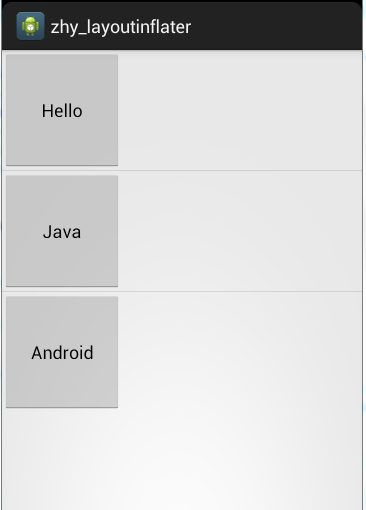
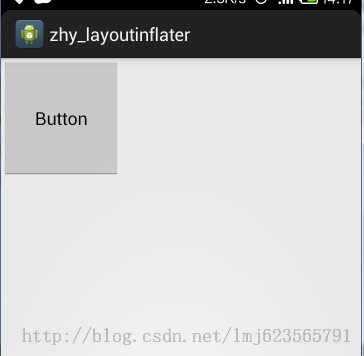
inflate 內部會先建立 temp View。若 root 不為 null,會透過 root.generateLayoutParams 產生 LayoutParams。若 attachToRoot 為 false,就把 LayoutParams 設定到 temp;若 attachToRoot 為 true,則直接把 temp 加入 root。最後,若 root 為 null 或 attachToRoot 為 false,回傳的是 temp;否則回傳 root。
ViewGroup 在量測子 View 時,會依 LayoutParams 判斷寬高模式。若 LayoutParams 為 null,就無法正確處理 match_parent 或固定寬高。因此,inflate(resource, null) 容易造成寬高失效。
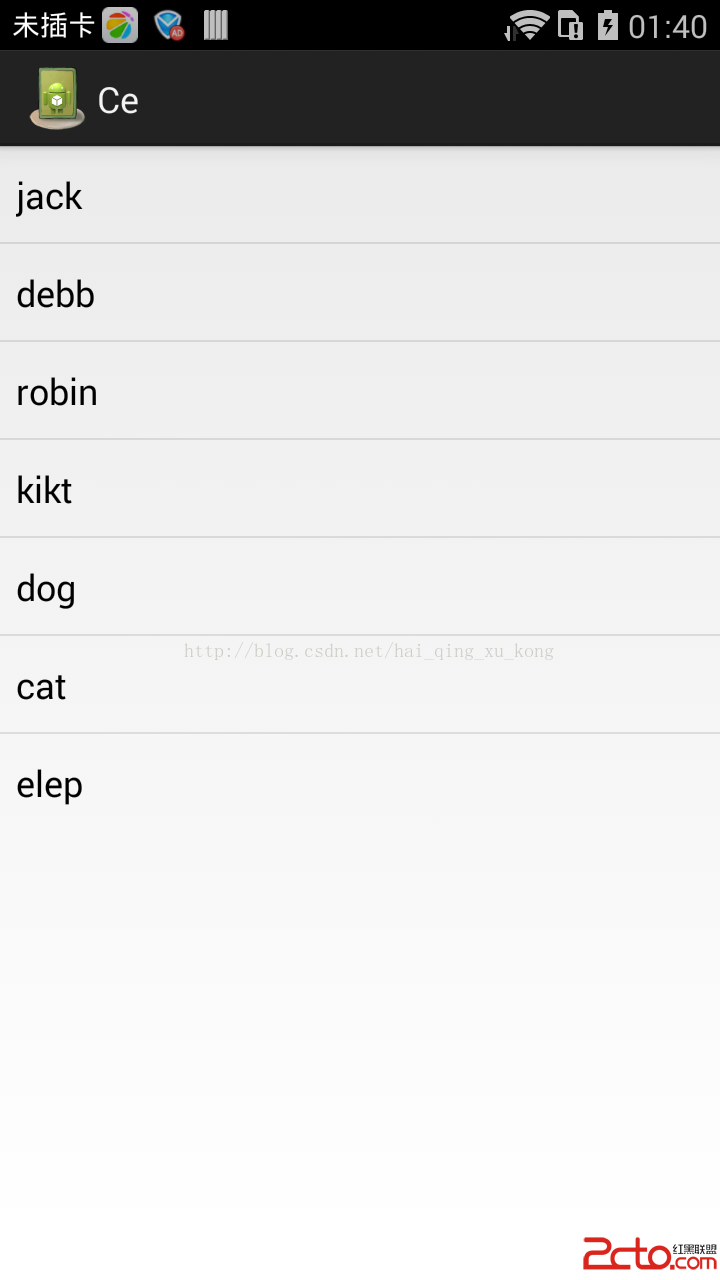 一起學 Android 之 ArrayAdapter 使用(12)
Adapter 常見的實現方式有 ArrayAdapter、SimpleAdapter、SimpleCursorAdapter 與 BaseAdapter。本文聚焦最簡單
 Android AnimationListener 監聽動畫狀態的用法
AnimationListener 的作用 AnimationListener 用來監聽動畫的生命週期,包括開始、結束與重複。透過它,可以在動畫完成後執行額外處理,例如移
 Android相冊瀑布流照片牆實作解析
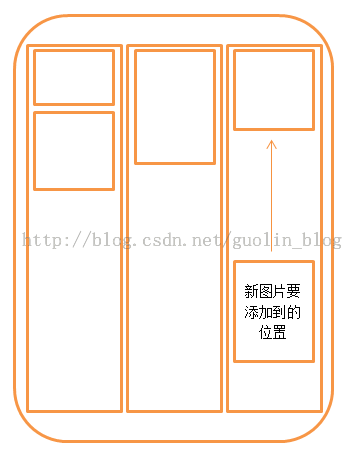
傳統網格布局雖然整齊,但當圖片尺寸不一致時,容易出現空白或裁切問題。瀑布流布局則能讓不同高度的圖片自然排列,視覺上更活潑,也常用於相冊、商品列表與社群照片牆。 瀑布流的基
 ListView 實作:BaseAdapter 與 AsyncTask 異步加載
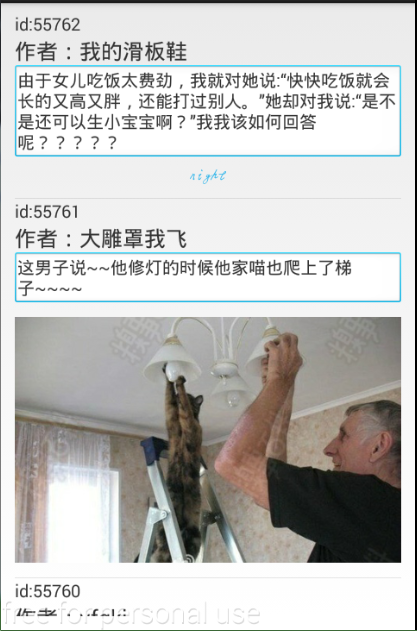
BaseAdapter 的作用BaseAdapter 是 ListView 與 Spinner 常用的資料適配器。它需要實作 getCount、getItem、getIt