

編輯:關於 Android 程式設計
E. Valera and Queries 時間限制每組測資 2 秒 記憶體限制每組測資 512 MB 輸入標準輸入 輸出標準輸出
Valera 非常喜歡線段,這次要處理的問題如下:在 Ox 座標軸上有 n 條線段,第 i 條線段的起點為 li、終點為 ri(記為 [li, ri])。接著有 m 筆查詢,每筆查詢給定一個數字 cnti 以及一組位於座標軸上的點。對於每筆查詢,答案等於「至少包含查詢中一個點」的線段數量。若線段 [l, r] 滿足 l ≤ q ≤ r,就代表它包含點 q。
第一行兩個整數 n、m(1 ≤ n, m ≤ 3·105),代表線段數量與查詢數量。接下來 n 行描述線段,每行兩個正整數 li、ri(1 ≤ li ≤ ri ≤ 106)。之後 m 行描述查詢,每行開頭是 cnti,接著是嚴格遞增的 cnti 個相異正整數座標。所有查詢的點總數不超過 3·105。
輸出 m 個非負整數,第 i 個即第 i 筆查詢的答案。
輸入:
3 3
1 3
4 5
6 7
3 1 4 7
2 4 5
1 8

輸出:
3
1
0
這題的核心思路是「反過來看」:不去枚舉每條線段包含哪些點,而是把每筆查詢的相鄰點切成若干個區間,統計有多少條線段完全落在某個區間之外,再用總線段數減掉,就是答案。這是相當典型的樹狀數組(Binary Indexed Tree)應用題。
#include <iostream>
#include <cstdio>
#include <cstring>
#include <algorithm>
using namespace std;
const int maxn = 3000010;
int ans[maxn];
struct Interval {
    int l, r, id;
} I[maxn], q[maxn];
bool cmp(Interval a, Interval b) {
    return a.r < b.r;
}
int tree[maxn];
int lowbit(int x) { return x & -x; }
void Add(int x) {
    while (x < 1000010) {
        tree[x] += 1;
        x += lowbit(x);
    }
}
int getSum(int x) {
    int sum = 0;
    while (x > 0) {
        sum += tree[x];
        x -= lowbit(x);
    }
    return sum;
}
int main() {
    int n, m;
    scanf("%d%d", &n, &m);
    for (int i = 0; i < n; i++) {
        scanf("%d%d", &I[i].l, &I[i].r);
        I[i].id = i;
    }
    int e = 0;
    for (int i = 0; i < m; i++) {
        int t;
        scanf("%d", &t);
        for (int j = 0; j < t; j++) {
            scanf("%d", &q[e].r);
            q[e].id = i;
            if (j == 0) q[e].l = 0;
            else q[e].l = q[e-1].r;
            e++;
        }
        q[e].id = i;
        q[e].l = q[e-1].r;
        q[e++].r = 1000010;
    }
    sort(I, I + n, cmp);
    sort(q, q + e, cmp);
    for (int i = 0; i < m; i++) ans[i] = n;
    memset(tree, 0, sizeof(tree));
    int j = 0;
    for (int i = 0; i < e; i++) {
        while (j < n && I[j].r < q[i].r) {
            Add(I[j].l);
            j++;
        }
        ans[q[i].id] -= getSum(q[i].r - 1) - getSum(q[i].l);
    }
    for (int i = 0; i < m; i++) printf("%d\n", ans[i]);
    return 0;
}
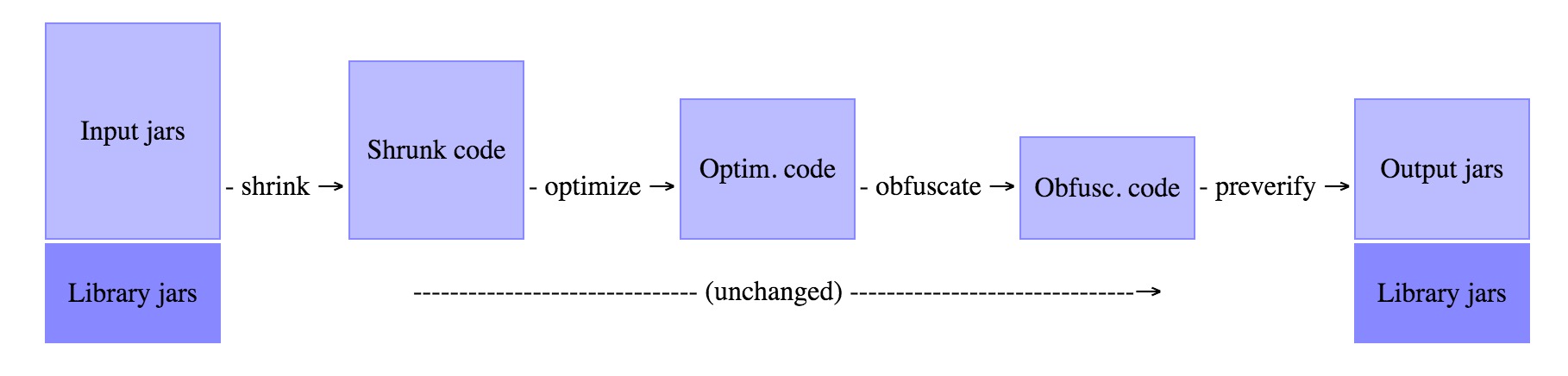 Android ProGuard 代碼混淆指南:原理、配置與常見保留規則
Android ProGuard 代碼混淆指南 ProGuard 是 Android 打包流程中常見的工具,主要用來壓縮、優化、混淆與預檢 Java 程式碼。它不僅能讓
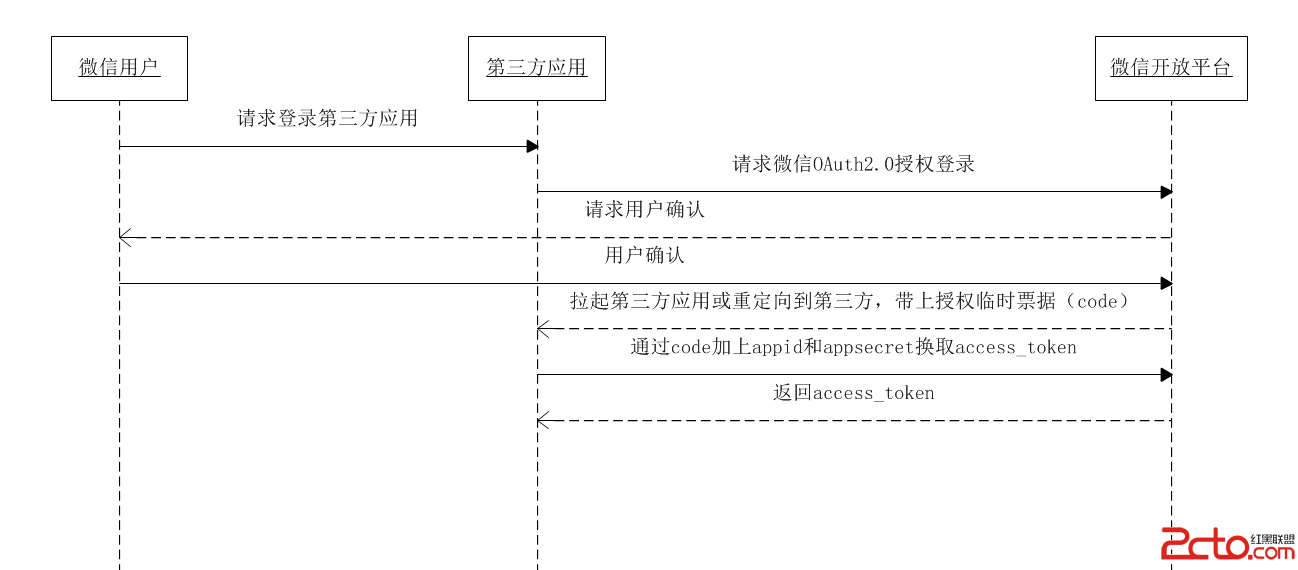 Android 微信授權登錄與分享全解析
許多 App 會用微信帳號登入與分享。微信 OAuth2.0 授權登入流程中,App 先取得臨時 code,再用 code 換取 access_token 與 openi
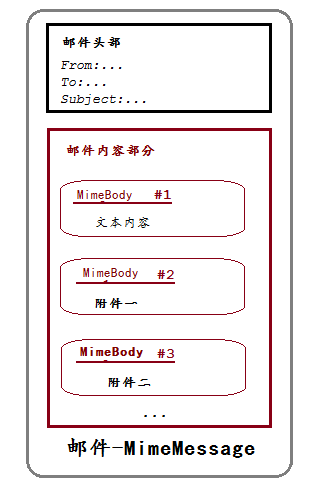 Android 寄送帶附件郵件:以 JavaMail 走 SMTP 的完整封裝
本文示範如何以 JavaMail 在 Android 上寄出帶附件的郵件,並附上一個可直接呼叫的封裝類別。 兩種實作路線 第一種:呼叫 Gmail 客戶端。好處是幾乎不
 打造 RecyclerView 的萬能分割線
RecyclerView 是 Android 5.0 Material Design 中的核心組件之一。相比 ListView,它通過更低耦合的方式複用 ViewHold