編輯:關於Android編程
ocr OpenCV 想必做過程圖像識別的同學們都對這兩個詞不陌生吧。
ocr (optical character recognition ,光學字符識別) 是指電子設備(例如掃描儀或數碼相機)檢查紙上的字符,通過檢測暗,亮的模式確定其形狀,然後用字符識別方法將形狀翻譯成計算機文字的過程。 這樣就給我編程提供了接口,我們可以識別圖片的文字了 (有些文檔我們通過手機拍照的,直接生成word )身份證識別,銀行卡識別等。
opencv 是什麼呢
OpenCV的全稱是:Open Source Computer Vision Library。OpenCV是一個基於BSD許可(開源)發行的跨平台計算機視覺庫,可以運行在Linux、Windows和Mac OS操作系統上。它輕量級而且高效——由一系列 C 函數和少量 C++ 類構成,同時提供了Python、Ruby、MATLAB等語言的接口,實現了圖像處理和計算機視覺方面的很多通用算法。
上面是 百度百科給出的定義說白了就是給我們編程提供的類庫而已
Android 如果想使用OCR
我們可以使用google 開源的項目tesseract-ocr
github 下載地址:https://github.com/justin/tesseract-ocr
今天我不講如何編譯 ocr 這個東西
主要說下,識別二維碼的這個項目和tesseract-ocr 整合成一個識別身份證號碼的 過程
後面我會把他們編譯成類庫供大家使用的
ORC 識別方法已經封裝成一個簡單的類 OCR
package com.dynamsoft.tessocr;

import android.content.Context;
import android.content.res.AssetManager;
import android.graphics.Bitmap;
import android.os.Environment;

import com.googlecode.tesseract.android.TessBaseAPI;

import java.io.File;

/**
 * Created by CYL on 2016/3/26.
 * email:670654904@qq.com
 * 這個類 就是調用 ocr 的接口
 * 這個是識別過程是耗時的 操作 請放到線程 操作
 */
public class OCR {
  private TessBaseAPI mTess;
  private boolean flag;
  private Context context;
  private AssetManager assetManager;

  public OCR() {
    // TODO Auto-generated constructor stub

    mTess = new TessBaseAPI();
    String datapath = Environment.getExternalStorageDirectory() + "/tesseract/";
    String language = "eng";
    //請將你的語言包放到這裡 sd 的 tessseract 下的tessdata 下
    File dir = new File(datapath + "tessdata/");
    if (!dir.exists())
      dir.mkdirs();
    flag = mTess.init(datapath, language);
  }

  /**
   * 識別出來bitmap 上的文字
   * @param bitmap 需要識別的圖片
   * @return
   */
  public String getOCRResult(Bitmap bitmap) {
    String result = "dismiss langues";
    if(flag){
      mTess.setImage(bitmap);
      result = mTess.getUTF8Text();
    }

    return result;
  }

  public void onDestroy() {
    if (mTess != null)
      mTess.end();
  }
}
方法很簡單 :
創建對象,調用getOcrResult方法就行了,注意這個識別過程是耗時,放到線程去操作。避免ANR問題
然後我們需要把識別集成到二維碼掃描裡面
下面這個對二維碼掃描這個項目介紹的比較詳細
http://www.jb51.net/article/53487.htm
下面給大家介紹一下,ZXing庫裡面主要的類以及這些類的作用:
我可以簡單考慮一下 圖片識別,我們需要先獲取圖片才能識別,當識別成功以後應該將數據返回 並反饋給用戶我們已經完成了識別。
第一首先 我們如何獲取圖像 即 bitmap 從上面主要功能的類可以看出來。
我應該去captureactivityhandler 解碼處理處理中去找,不管識別二維碼還是圖片,身份證啊。最終都是識別bitmap
所以我們這裡可以找到相機捕捉到的圖像;
DecodeHandler
 /*
 * Copyright (C) 2010 ZXing authors
 *
 * Licensed under the Apache License, Version 2.0 (the "License");
 * you may not use this file except in compliance with the License.
 * You may obtain a copy of the License at
 *
 *   http://www.apache.org/licenses/LICENSE-2.0
 *
 * Unless required by applicable law or agreed to in writing, software
 * distributed under the License is distributed on an "AS IS" BASIS,
 * WITHOUT WARRANTIES OR CONDITIONS OF ANY KIND, either express or implied.
 * See the License for the specific language governing permissions and
 * limitations under the License.
 */

package com.sj.app.decoding;

import android.graphics.Bitmap;
import android.os.Bundle;
import android.os.Handler;
import android.os.Looper;
import android.os.Message;
import android.util.Log;

import com.dynamsoft.tessocr.OCR;
import com.google.zxing.BinaryBitmap;
import com.google.zxing.DecodeHintType;
import com.google.zxing.MultiFormatReader;
import com.google.zxing.ReaderException;
import com.google.zxing.Result;
import com.google.zxing.common.HybridBinarizer;
import com.sj.app.camera.CameraManager;
import com.sj.app.camera.PlanarYUVLuminanceSource;
import com.sj.app.utils.IdMatch;
import com.sj.erweima.MipcaActivityCapture;
import com.sj.erweima.R;

import java.util.Hashtable;
import java.util.List;

final class DecodeHandler extends Handler {

  private static final String TAG = DecodeHandler.class.getSimpleName();

  private final MipcaActivityCapture activity;
  private final MultiFormatReader multiFormatReader;

  DecodeHandler(MipcaActivityCapture activity,
         Hashtable<DecodeHintType, Object> hints) {
    multiFormatReader = new MultiFormatReader();
    multiFormatReader.setHints(hints);
    this.activity = activity;
  }

  @Override
  public void handleMessage(Message message) {
    switch (message.what) {
      case R.id.decode:
        // Log.d(TAG, "Got decode message");
        decode((byte[]) message.obj, message.arg1, message.arg2);
        break;
      case R.id.quit:
        Looper.myLooper().quit();
        break;
    }
  }

  /**
   * Decode the data within the viewfinder rectangle, and time how long it
   * took. For efficiency, reuse the same reader objects from one decode to
   * the next.
   *
   * @param data
   *      The YUV preview frame.
   * @param width
   *      The width of the preview frame.
   * @param height
   *      The height of the preview frame.
   */
  private void decode(byte[] data, int width, int height) {
    long start = System.currentTimeMillis();
    Result rawResult = null;

    // modify here
    byte[] rotatedData = new byte[data.length];
    for (int y = 0; y < height; y++) {
      for (int x = 0; x < width; x++)
        rotatedData[x * height + height - y - 1] = data[x + y * width];
    }
    int tmp = width; // Here we are swapping, that's the difference to #11
    width = height;
    height = tmp;

    PlanarYUVLuminanceSource source = CameraManager.get()
        .buildLuminanceSource(rotatedData, width, height);
    BinaryBitmap bitmap = new BinaryBitmap(new HybridBinarizer(source));
    try {
      //相機中捕捉到的
      Bitmap image = source.renderCroppedGreyscaleBitmap();
      doorc(source);
      rawResult = multiFormatReader.decodeWithState(bitmap);
    } catch (ReaderException re) {
      // continue
    } finally {
      multiFormatReader.reset();
    }

    if (rawResult != null) {
      long end = System.currentTimeMillis();
      Log.d(TAG, "Found barcode (" + (end - start) + " ms):\n"
          + rawResult.toString());
      Message message = Message.obtain(activity.getHandler(),
          R.id.decode_succeeded, rawResult);
      Bundle bundle = new Bundle();
      bundle.putParcelable(DecodeThread.BARCODE_BITMAP,
          source.renderCroppedGreyscaleBitmap());
      message.setData(bundle);
      // Log.d(TAG, "Sending decode succeeded message...");
      message.sendToTarget();
    } else {
      Message message = Message.obtain(activity.getHandler(),
          R.id.decode_failed);
      message.sendToTarget();
    }
  }
  private Handler handler = new Handler(){
    public void handleMessage(Message msg) {
      CardId cardId = (CardId) msg.obj;
      if(cardId != null){
        Message message = Message.obtain(activity.getHandler(),
            R.id.decode_succeeded, cardId.id);
        Bundle bundle = new Bundle();
        bundle.putParcelable(DecodeThread.BARCODE_BITMAP,
            cardId.bitmap);
        message.setData(bundle);
        // Log.d(TAG, "Sending decode succeeded message...");
        message.sendToTarget();
      }
    };
  };
  private void doorc(final PlanarYUVLuminanceSource source) {
    new Thread(new Runnable() {
      @Override
      public void run() {
        Bitmap bitmap = source.renderCroppedGreyscaleBitmap();
        String id = new OCR().getOCRResult(bitmap);
        if(id != null){
          List<String> list = IdMatch.machId(id);
          if(list!= null && list.size()>0){
            String cardId = list.get(0);
            if(cardId != null){
              Message msg = Message.obtain();
              CardId cardId2 = new CardId(cardId, bitmap);
              msg.obj = cardId2;
              handler.sendMessage(msg);
            }
          }
        }

      }
    }).start();
  }
  public class CardId{
    private String id;
    private Bitmap bitmap;
    public CardId(String id, Bitmap bitmap) {
      super();
      this.id = id;
      this.bitmap = bitmap;
    }
    public String getId() {
      return id;
    }
    public void setId(String id) {
      this.id = id;
    }
    public Bitmap getBitmap() {
      return bitmap;
    }
    public void setBitmap(Bitmap bitmap) {
      this.bitmap = bitmap;
    }

  }

}
當解析成功的時候就將結果通過handler 返回到UI 線程中去了,對於 掃描框我們可以響應調節。
CameraManager 這個類 控制掃描框的大小。
public Rect getFramingRect() {
  Point screenResolution = configManager.getScreenResolution();
  if (framingRect == null) {
   if (camera == null) {
    return null;
   }
   int width = screenResolution.x * 7 / 8;
   if (width < MIN_FRAME_WIDTH) {
    width = MIN_FRAME_WIDTH;
   } else if (width > MAX_FRAME_WIDTH) {
//    width = MAX_FRAME_WIDTH;
   }
   int height = screenResolution.y * 3 / 4;
   if (height < MIN_FRAME_HEIGHT) {
    height = MIN_FRAME_HEIGHT;
   } else if (height > MAX_FRAME_HEIGHT) {
    height = MAX_FRAME_HEIGHT;
   }
   int leftOffset = (screenResolution.x - width) / 2;
   int topOffset = (screenResolution.y - height) / 2;
   framingRect = new Rect(leftOffset, topOffset, leftOffset + width, topOffset + height);
   Log.d(TAG, "Calculated framing rect: " + framingRect);
  }
  return framingRect;
 }
改變這個方法就可以改變這個掃描框的大小了。
需要提示的是 如果您的手機是android 6.0以上 請查看 sd卡根目錄是否存在tesseract/tessdata目錄 以及下面的文件 如果沒有存在說明 應用沒有獲取到存儲權限。
原文鏈接:http://blog.csdn.net/tiandiyinghun/article/details/50985961
以上就是本文的全部內容,希望對大家的學習有所幫助,也希望大家多多支持本站。
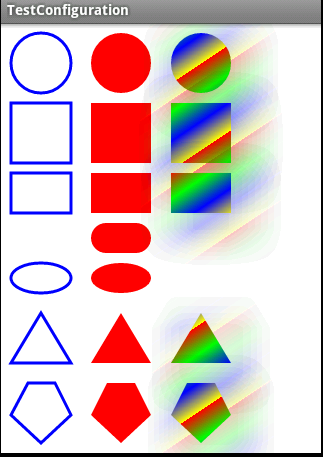 Android編程開發之在Canvas中利用Path繪制基本圖形(圓形,矩形,橢圓,三角形等)
本文實例講述了Android編程開發之在Canvas中利用Path繪制基本圖形的方法。分享給大家供大家參考,具體如下:在Android中繪制基本的集合圖形,本程序就是自定
 Bluestacks安卓模擬器啟動慢運行卡怎麼辦
Bluestacks安卓模擬器啟動慢運行卡,近和朋友交流的時候也發現大家會遇到大問題,一是Bluestacks啟動很慢甚至會卡死,二是啟動後運行很卡,那麼我
 二、VR全景圖 ---- Android VR視頻/Google VR for Android /VR Pano/VR Video
SimpleVrPanorama其實這篇應該寫SimpleVrPanorama和simplevideowidget 兩個,但是由於篇幅過長就分開寫了演示用AS錄的沒有觸摸
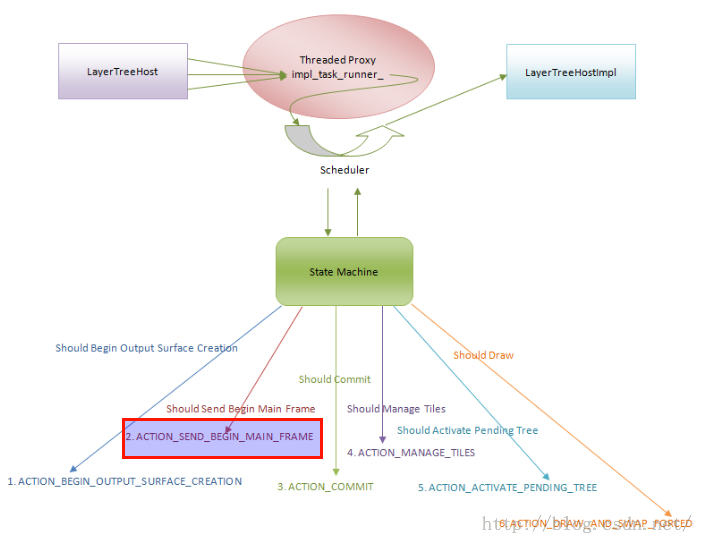 Chromium網頁Layer Tree繪制過程分析
網頁繪圖表面創建完成之後,調度器就會請求繪制CC Layer Tree,這樣網頁在加載完成之後就能快速顯示出來。通過CC Layer Tree可以依次找到Graphics