編輯:關於Android編程
在使用手機時,藍牙通信給我們帶來很多方便。那麼在Android手機中怎樣進行藍牙開發呢?本文以實例的方式講解Android藍牙開發的知識。
1、使用藍牙的響應權限
XML/HTML代碼
<uses-permission android:name="android.permission.BLUETOOTH"/>
<uses-permission android:name="android.permission.BLUETOOTH_ADMIN"/>
2、配置本機藍牙模塊
在這裡首先要了解對藍牙操作一個核心類BluetoothAdapter。
BluetoothAdapter adapter = BluetoothAdapter.getDefaultAdapter();

//直接打開系統的藍牙設置面板

Intent intent = new Intent(BluetoothAdapter.ACTION_REQUEST_ENABLE);

startActivityForResult(intent, 0x1);

//直接打開藍牙

adapter.enable();

//關閉藍牙

adapter.disable();

//打開本機的藍牙發現功能(默認打開120秒,可以將時間最多延長至300秒)

Intent discoveryIntent = new Intent(BluetoothAdapter.ACTION_REQUEST_DISCOVERABLE);

discoverableIntent.putExtra(BluetoothAdapter.EXTRA_DISCOVERABLE_DURATION, 300);//設置持續時間(最多300秒)
3、搜索藍牙設備
使用BluetoothAdapter的startDiscovery()方法來搜索藍牙設備。
startDiscovery()方法是一個異步方法,調用後會立即返回。該方法會進行對其他藍牙設備的搜索,該過程會持續12秒。該方法調用後,搜索過程實際上是在一個System Service中進行的,所以可以調用cancelDiscovery()方法來停止搜索(該方法可以在未執行discovery請求時調用)。
請求Discovery後,系統開始搜索藍牙設備,在這個過程中,系統會發送以下三個廣播:
ACTION_DISCOVERY_START:開始搜索
ACTION_DISCOVERY_FINISHED:搜索結束
ACTION_FOUND:找到設備,這個Intent中包含兩個extra fields:EXTRA_DEVICE和EXTRA_CLASS,分別包含BluetooDevice和BluetoothClass。
我們可以自己注冊相應的BroadcastReceiver來接收響應的廣播,以便實現某些功能。
// 創建一個接收ACTION_FOUND廣播的BroadcastReceiver

private final BroadcastReceiver mReceiver = new BroadcastReceiver() {

 public void onReceive(Context context, Intent intent) {

  String action = intent.getAction();

  // 發現設備

  if (BluetoothDevice.ACTION_FOUND.equals(action)) {

   // 從Intent中獲取設備對象

   BluetoothDevice device = intent.getParcelableExtra(BluetoothDevice.EXTRA_DEVICE);

   // 將設備名稱和地址放入array adapter,以便在ListView中顯示

   mArrayAdapter.add(device.getName() + "\n" + device.getAddress());
  }
 }
};

// 注冊BroadcastReceiver

IntentFilter filter = new IntentFilter(BluetoothDevice.ACTION_FOUND);

registerReceiver(mReceiver, filter); // 不要忘了之後解除綁定
4、藍牙Socket通信
如果打算建議兩個藍牙設備之間的連接,則必須實現服務器端與客戶端的機制。當兩個設備在同一個RFCOMM channel下分別擁有一個連接的BluetoothSocket,這兩個設備才可以說是建立了連接。
服務器設備與客戶端設備獲取BluetoothSocket的途徑是不同的。服務器設備是通過accepted一個incoming connection來獲取的,而客戶端設備則是通過打開一個到服務器的RFCOMM channel來獲取的。
服務器端的實現
通過調用BluetoothAdapter的listenUsingRfcommWithServiceRecord(String, UUID)方法來獲取BluetoothServerSocket(UUID用於客戶端與服務器端之間的配對)。
調用BluetoothServerSocket的accept()方法監聽連接請求,如果收到請求,則返回一個BluetoothSocket實例(此方法為block方法,應置於新線程中)。
如果不想在accept其他的連接,則調用BluetoothServerSocket的close()方法釋放資源(調用該方法後,之前獲得的BluetoothSocket實例並沒有close。但由於RFCOMM一個時刻只允許在一條channel中有一個連接,則一般在accept一個連接後,便close掉BluetoothServerSocket)。
private class AcceptThread extends Thread {

 private final BluetoothServerSocket mmServerSocket;

 public AcceptThread() {

  // Use a temporary object that is later assigned to mmServerSocket,

  // because mmServerSocket is final

  BluetoothServerSocket tmp = null;

  try {

   // MY_UUID is the app's UUID string, also used by the client code
   tmp = mBluetoothAdapter.listenUsingRfcommWithServiceRecord(NAME, MY_UUID);
  } catch (IOException e) { }
  mmServerSocket = tmp;
 }

 public void run() {
  BluetoothSocket socket = null;

  // Keep listening until exception occurs or a socket is returned

  while (true) {
   try {
    socket = mmServerSocket.accept();
   } catch (IOException e) {
    break;
   }

   // If a connection was accepted
   if (socket != null) {
    // Do work to manage the connection (in a separate thread)
    manageConnectedSocket(socket);
    mmServerSocket.close();
    break;
   }
  }
 }

 /** Will cancel the listening socket, and cause the thread to finish */
 public void cancel() {
  try {
   mmServerSocket.close();
  } catch (IOException e) { }
 }
}
客戶端的實現
通過搜索得到服務器端的BluetoothService。
調用BluetoothService的listenUsingRfcommWithServiceRecord(String, UUID)方法獲取BluetoothSocket(該UUID應該同於服務器端的UUID)。
調用BluetoothSocket的connect()方法(該方法為block方法),如果UUID同服務器端的UUID匹配,並且連接被服務器端accept,則connect()方法返回。
注意:在調用connect()方法之前,應當確定當前沒有搜索設備,否則連接會變得非常慢並且容易失敗。
private class ConnectThread extends Thread {
 private final BluetoothSocket mmSocket;

 private final BluetoothDevice mmDevice;


 public ConnectThread(BluetoothDevice device) {

  // Use a temporary object that is later assigned to mmSocket,

  // because mmSocket is final

  BluetoothSocket tmp = null;

  mmDevice = device;


  // Get a BluetoothSocket to connect with the given BluetoothDevice

  try {

   // MY_UUID is the app's UUID string, also used by the server code
   tmp = device.createRfcommSocketToServiceRecord(MY_UUID);
  } catch (IOException e) { }
  mmSocket = tmp;
 }


 public void run() {
  // Cancel discovery because it will slow down the connection
  mBluetoothAdapter.cancelDiscovery();
  try {
   // Connect the device through the socket. This will block
   // until it succeeds or throws an exception
   mmSocket.connect();
  } catch (IOException connectException) {

   // Unable to connect; close the socket and get out
   try {
    mmSocket.close();
   } catch (IOException closeException) { }
    return;
  }

   // Do work to manage the connection (in a separate thread)
  manageConnectedSocket(mmSocket);
 }

 /** Will cancel an in-progress connection, and close the socket */
  public void cancel() {
  try {
   mmSocket.close();

  } catch (IOException e) { }
  }
}
5、連接管理(數據通信)
分別通過BluetoothSocket的getInputStream()和getOutputStream()方法獲取InputStream和OutputStream。
使用read(bytes[])和write(bytes[])方法分別進行讀寫操作。
注意:read(bytes[])方法會一直block,知道從流中讀取到信息,而write(bytes[])方法並不是經常的block(比如在另一設備沒有及時read或者中間緩沖區已滿的情況下,write方法會block)。
private class ConnectedThread extends Thread {

 private final BluetoothSocket mmSocket;

 private final InputStream mmInStream;

 private final OutputStream mmOutStream;


 public ConnectedThread(BluetoothSocket socket) {

  mmSocket = socket;

  InputStream tmpIn = null;

  OutputStream tmpOut = null;


  // Get the input and output streams, using temp objects because

  // member streams are final

  try {

   tmpIn = socket.getInputStream();

   tmpOut = socket.getOutputStream();

  } catch (IOException e) { }


  mmInStream = tmpIn;

  mmOutStream = tmpOut;

 }


 public void run() {

  byte[] buffer = new byte[1024]; // buffer store for the stream

  int bytes; // bytes returned from read()


  // Keep listening to the InputStream until an exception occurs

  while (true) {

   try {

    // Read from the InputStream

    bytes = mmInStream.read(buffer);

    // Send the obtained bytes to the UI Activity

    mHandler.obtainMessage(MESSAGE_READ, bytes, -1, buffer)

      .sendToTarget();

   } catch (IOException e) {

    break;

   }

  }

 }


 /* Call this from the main Activity to send data to the remote device */

 public void write(byte[] bytes) {

  try {

   mmOutStream.write(bytes);

  } catch (IOException e) { }

 }


 /* Call this from the main Activity to shutdown the connection */

 public void cancel() {

  try {

   mmSocket.close();

  } catch (IOException e) { }

 }

}
以上就Android 藍牙的開發簡單示例代碼,後續繼續整理相關資料,謝謝大家對本站的支持!
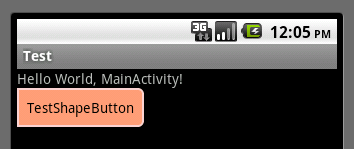 Android中shape定義控件的使用
Android中常常使用shape來定義控件的一些顯示屬性,今天看了一些shape的使用,對shape有了大體的了解,稍作總結:先看下面的代碼:<shape>
 Android內存洩露
本篇博客主要是記錄一下Android內存洩露相關的問題。網上有很多介紹內存洩露的文章,自己摘取了一些比較有價值的內容,同時增加了一些自己的理解。在分析內存洩露前,我們必須
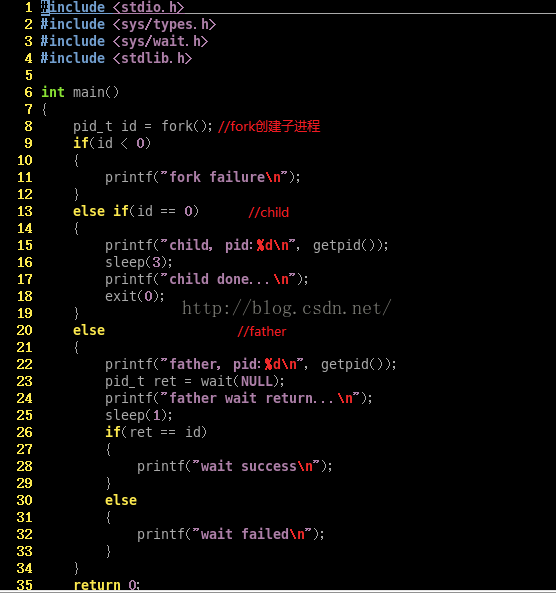 進程等待&程序替換
進程等待一個進程在終止時會關閉所有的文件描述符,釋放在用戶空間分配出來的內存,但它的PCB還保留著,而且內核中還保存著一些信息,如果是正常終止,則保存著退出狀態,如果是異
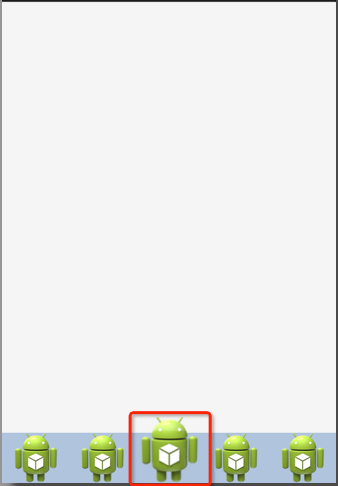 Android clipChildren屬性實例詳解
前言 前幾天有在微博上推薦過一個博客,看他文章時發現了這個屬性。有些屬性不常用,但需要的時候非常有用,於是做了個例子,正好項目用到,與大家分享一下。