

編輯:關於 Android 程式設計
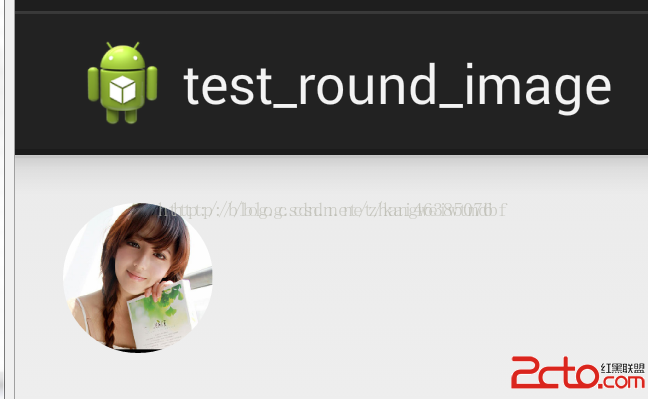
要做圓形的頭像顯示,最乾淨的做法不是遮罩,而是用 BitmapShader 搭配 Canvas.drawCircle。這條路徑由系統在繪製階段直接以圓形裁剪,邊緣天然平滑,也不必额外配置一張遮罩圖。
public class CircleImageView extends ImageView {

    private static final ScaleType SCALE_TYPE = ScaleType.CENTER_CROP;
    private static final Bitmap.Config BITMAP_CONFIG = Bitmap.Config.ARGB_8888;
    private static final int COLORDRAWABLE_DIMENSION = 1;
    private static final int DEFAULT_BORDER_WIDTH = 0;
    private static final int DEFAULT_BORDER_COLOR = Color.BLACK;

    private final RectF mDrawableRect = new RectF();
    private final RectF mBorderRect = new RectF();
    private final Matrix mShaderMatrix = new Matrix();
    private final Paint mBitmapPaint = new Paint();
    private final Paint mBorderPaint = new Paint();

    private int mBorderColor = DEFAULT_BORDER_COLOR;
    private int mBorderWidth = DEFAULT_BORDER_WIDTH;

    private Bitmap mBitmap;
    private BitmapShader mBitmapShader;
    private int mBitmapWidth;
    private int mBitmapHeight;

    private float mDrawableRadius;
    private float mBorderRadius;

    private boolean mReady;
    private boolean mSetupPending;

    public CircleImageView(Context context) {
        super(context);
        init();
    }

    public CircleImageView(Context context, AttributeSet attrs) {
        this(context, attrs, 0);
    }

    public CircleImageView(Context context, AttributeSet attrs, int defStyle) {
        super(context, attrs, defStyle);

        TypedArray a = context.obtainStyledAttributes(attrs,
                R.styleable.CircleImageView, defStyle, 0);
        mBorderWidth = a.getDimensionPixelSize(
                R.styleable.CircleImageView_border_width, DEFAULT_BORDER_WIDTH);
        mBorderColor = a.getColor(
                R.styleable.CircleImageView_border_color, DEFAULT_BORDER_COLOR);
        a.recycle();

        init();
    }

    private void init() {
        super.setScaleType(SCALE_TYPE);
        mReady = true;
        if (mSetupPending) {
            setup();
            mSetupPending = false;
        }
    }

    @Override
    public ScaleType getScaleType() {
        return SCALE_TYPE;
    }

    @Override
    public void setScaleType(ScaleType scaleType) {
        if (scaleType != SCALE_TYPE) {
            throw new IllegalArgumentException(
                    String.format("ScaleType %s not supported.", scaleType));
        }
    }

    @Override
    protected void onDraw(Canvas canvas) {
        if (getDrawable() == null) {
            return;
        }
        canvas.drawCircle(getWidth() / 2, getHeight() / 2, mDrawableRadius, mBitmapPaint);
        if (mBorderWidth != 0) {
            canvas.drawCircle(getWidth() / 2, getHeight() / 2, mBorderRadius, mBorderPaint);
        }
    }

    @Override
    protected void onSizeChanged(int w, int h, int oldw, int oldh) {
        super.onSizeChanged(w, h, oldw, oldh);
        setup();
    }

    public int getBorderColor() {
        return mBorderColor;
    }

    public void setBorderColor(int borderColor) {
        if (borderColor == mBorderColor) {
            return;
        }
        mBorderColor = borderColor;
        mBorderPaint.setColor(mBorderColor);
        invalidate();
    }

    public int getBorderWidth() {
        return mBorderWidth;
    }

    public void setBorderWidth(int borderWidth) {
        if (borderWidth == mBorderWidth) {
            return;
        }
        mBorderWidth = borderWidth;
        setup();
    }

    @Override
    public void setImageBitmap(Bitmap bm) {
        super.setImageBitmap(bm);
        mBitmap = bm;
        setup();
    }

    @Override
    public void setImageDrawable(Drawable drawable) {
        super.setImageDrawable(drawable);
        mBitmap = getBitmapFromDrawable(drawable);
        setup();
    }

    @Override
    public void setImageResource(int resId) {
        super.setImageResource(resId);
        mBitmap = getBitmapFromDrawable(getDrawable());
        setup();
    }

    @Override
    public void setImageURI(Uri uri) {
        super.setImageURI(uri);
        mBitmap = getBitmapFromDrawable(getDrawable());
        setup();
    }

    private Bitmap getBitmapFromDrawable(Drawable drawable) {
        if (drawable == null) {
            return null;
        }
        if (drawable instanceof BitmapDrawable) {
            return ((BitmapDrawable) drawable).getBitmap();
        }

        try {
            Bitmap bitmap;
            if (drawable instanceof ColorDrawable) {
                bitmap = Bitmap.createBitmap(COLORDRAWABLE_DIMENSION,
                        COLORDRAWABLE_DIMENSION, BITMAP_CONFIG);
            } else {
                bitmap = Bitmap.createBitmap(drawable.getIntrinsicWidth(),
                        drawable.getIntrinsicHeight(), BITMAP_CONFIG);
            }

            Canvas canvas = new Canvas(bitmap);
            drawable.setBounds(0, 0, canvas.getWidth(), canvas.getHeight());
            drawable.draw(canvas);
            return bitmap;
        } catch (OutOfMemoryError e) {
            return null;
        }
    }

    private void setup() {
        if (!mReady) {
            mSetupPending = true;
            return;
        }
        if (mBitmap == null) {
            return;
        }

        mBitmapShader = new BitmapShader(mBitmap, Shader.TileMode.CLAMP, Shader.TileMode.CLAMP);

        mBitmapPaint.setAntiAlias(true);
        mBitmapPaint.setShader(mBitmapShader);

        mBorderPaint.setStyle(Paint.Style.STROKE);
        mBorderPaint.setAntiAlias(true);
        mBorderPaint.setColor(mBorderColor);
        mBorderPaint.setStrokeWidth(mBorderWidth);

        mBitmapHeight = mBitmap.getHeight();
        mBitmapWidth = mBitmap.getWidth();

        mBorderRect.set(0, 0, getWidth(), getHeight());
        mBorderRadius = Math.min((mBorderRect.height() - mBorderWidth) / 2,
                (mBorderRect.width() - mBorderWidth) / 2);

        mDrawableRect.set(mBorderWidth, mBorderWidth,
                mBorderRect.width() - mBorderWidth, mBorderRect.height() - mBorderWidth);
        mDrawableRadius = Math.min(mDrawableRect.height() / 2, mDrawableRect.width() / 2);

        updateShaderMatrix();
        invalidate();
    }

    private void updateShaderMatrix() {
        float scale;
        float dx = 0;
        float dy = 0;

        mShaderMatrix.set(null);

        if (mBitmapWidth * mDrawableRect.height() > mDrawableRect.width() * mBitmapHeight) {
            scale = mDrawableRect.height() / (float) mBitmapHeight;
            dx = (mDrawableRect.width() - mBitmapWidth * scale) * 0.5f;
        } else {
            scale = mDrawableRect.width() / (float) mBitmapWidth;
            dy = (mDrawableRect.height() - mBitmapHeight * scale) * 0.5f;
        }

        mShaderMatrix.setScale(scale, scale);
        mShaderMatrix.postTranslate((int) (dx + 0.5f) + mBorderWidth,
                (int) (dy + 0.5f) + mBorderWidth);

        mBitmapShader.setLocalMatrix(mShaderMatrix);
    }
}
為什麼要鎖定 ScaleType。建構時強制設為 CENTER_CROP,並覆寫 setScaleType 讓外部若試圖改動就直接丟出例外。原因是整套縮放計算都建立在「填滿並居中裁切」這個前提上,若允許外部改成 FIT_XY 或 CENTER,updateShaderMatrix 的算法就不成立,圖形會變形。
mReady 與 mSetupPending 的作用。Java 的執行順序是先跑子類別的建構式、再跑父類別,因此 setup() 可能在尺寸尚未就緒時就被呼叫。這兩個旗標組成的機制處理的正是這個時序問題:若尚未就緒就先記下「待處理」,等 init() 完成後再補做一次。同理,onSizeChanged 中也要重新呼叫 setup(),因為圓形半徑必須依實際測量到的寬高計算。
updateShaderMatrix 就是 CENTER_CROP 的實作。它比較圖片與目標區域的寬高比,取較大的縮放比例(確保填滿),再用 dx/dy 把溢出部分居中偏移。這段交叉相乘的判斷式避免了除法,也就避開了整數除法造成的精度誤差。
ColorDrawable 的特殊處理。ColorDrawable 沒有 intrinsic 尺寸,直接取會得到 -1 而崩潰,所以這裡刻意配置一個 1×1 的像素。這是一個容易被忽略但很實際的邊界情況。
自定義屬性需要搭配 attrs.xml。程式碼中引用了 R.styleable.CircleImageView_border_width 與 _border_color,因此必須在 res/values/attrs.xml 中宣告對應的 declare-styleable,否則無法編譯。
最後談談取捨。這套 CircleImageView 的優點是邊緣平滑、可加外框、支援任意 Drawable 來源。缺點是每次 setup() 都可能配置新的 Bitmap(當來源不是 BitmapDrawable 時),在列表滾動中反覆觸發時需注意記憶體壓力。若只是單純顯示圓形頭像、不需要外框與自定義屬性,其實用 CardView 設 app:cardCornerRadius 搭配 cardElevation="0",或直接用 Compose 的 Modifier.clip(CircleShape),程式碼會短得多。
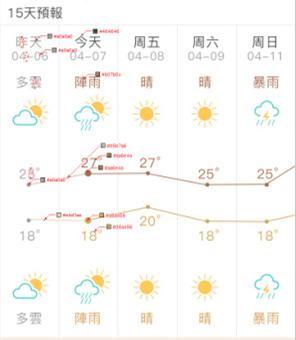 自定義 View 實作天氣折線圖
需求與思路 天氣模組常需要展示多天預報,若只用一個自定義 View 繪製全部內容,效能與維護都不理想。改採水平 RecyclerView,可讓每個日期成為獨立項目,並在項
 Android 拖放機制(Drag and Drop)完整解析
一、機制概述 拖放操作就是:手指按住螢幕上的某個物件、拖著它移動、在目標位置放手並觸發某種行為——刪除、卸載、啟動、複製資料等等。它的價值在於用圖形化手勢完成任務,直觀、
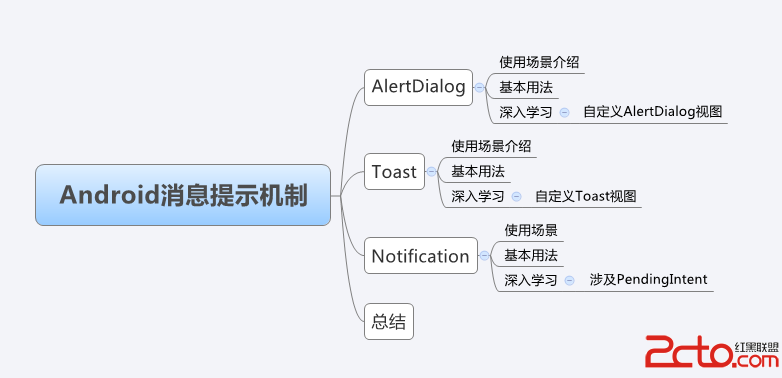 Android 消息提示全攻略:AlertDialog、Toast 與 Notification
先來對這三種消息提示機制建立一個直觀的認識,分別是 AlertDialog、Toast 和 Notification: 接下來分別介紹這三種機制各自的使用場景和用法
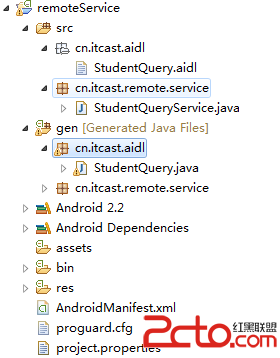 Android Service 深入解析:遠程服務與 AIDL【下】
AIDL 與遠程服務 AIDL 是 Android 提供的介面定義語言,用於在不同進程之間傳遞資料與呼叫方法。當服務需要被其他應用程式跨進程呼叫,或需要處理多執行緒時,A