

編輯:關於 Android 程式設計
這題與 Div2 的最後一題很類似,唯一的差別是:Div2 那題要求兩數之差至多為 K,本題改成至少 K,難度因此上升一階,DP 的狀態也不好想。
沿用「只考慮尚未配對的數字」這個思路,但要把未配對的數字分成兩類:
然後從大到小依序處理 2N 個數字。狀態定義為 dp[n][g][s]:n 表示已處理到第幾個數字,g 是尚未配對的 good 數字個數,s 則用 bitmask 記錄 special 數字各自的偏移狀態(範圍在 0 到 K-1 之間,所以用 K 位元剛好夠)。
之所以要區分兩類,是因為新加入的數字 x 只能與「大於等於 x + K」的數字配對。若某個未配對數字已經離得夠遠(good),它就永遠有機會被後續配掉;而落在 (x, x+K) 區間內的 special 數字,其可用性會隨每次加入新數字而改變,必須用 bitmask 追蹤每個位置往前還差多少才達到 K。
#include <iostream>
#include <sstream>
#include <string>
#include <vector>
#include <stack>
#include <deque>
#include <queue>
#include <set>
#include <map>
#include <cstdio>
#include <cstdlib>
#include <cctype>
#include <cmath>
#include <cstring>
using namespace std;

const int MOD = 1000000007;
const int MAX_N = 50;
const int MAX_K = 10;
int dp[2 * MAX_N + 1][2 * MAX_N + 1][1 << MAX_K];

class AlienAndSetDiv1 {
public:
    int K;

    int calc(int s, int g, int n) {
        int res = 0;
        if (-1 != dp[n][g][s]) {
            return dp[n][g][s];
        }
        if (n == 0) {
            if (0 == s && 0 == g) {
                res = 1;                       // base case
            }
        } else {
            if (0 == s && 0 == g) {
                if (1 == K) {
                    res += 2 * calc(0, 1, n - 1);   // add
                } else {
                    res += 2 * calc(1, 0, n - 1);   // add
                }
                res %= MOD;
            } else if (0 == s && g != 0) {
                res += calc(0, g - 1, n - 1);       // match
                if (1 == K) {
                    res += calc(0, g + 1, n - 1);   // add
                } else {
                    res += calc(1, g, n - 1);       // add
                }
                res %= MOD;
            } else if (s != 0 && 0 == g) {
                // K != 1,只能 add
                int newset = s;
                int i = 0;
                // 注意位運算的優先順序,括號必須加上
                for (i = 0; (newset & 0x80000000) == 0; newset = (newset << 1), ++i) {
                }
                int mx = 31 - i;               // s 不為 0 的最高位
                if (n + mx + 1 - (n - 1) >= K) {  // 會使 g 增加
                    int t = (s - (1 << mx));    // 清掉 mx 位
                    res += calc((t << 1) | 1, 1, n - 1);   // add
                    res %= MOD;
                } else {
                    res += calc((s << 1) | 1, 0, n - 1);   // add
                    res %= MOD;
                }
            } else {
                // s != 0 && g != 0,K != 1
                int newset = s;
                int i = 0;
                for (i = 0; (newset & 0x80000000) == 0; newset = (newset << 1), ++i) {
                }
                int mx = 31 - i;               // s 不為 0 的最高位
                if (n + mx + 1 - (n - 1) >= K) {  // 判斷是否使 g 變化
                    int t = (s - (1 << mx));
                    res += calc(t << 1, g, n - 1);        // match
                    res += calc((t << 1) | 1, g + 1, n - 1); // add
                } else {
                    res += calc(s << 1, g - 1, n - 1);        // match
                    res += calc((s << 1) | 1, g, n - 1);      // add
                }
                res %= MOD;
            }
        }
        dp[n][g][s] = res;
        return res;
    }

    int getNumber(int N, int K) {
        this->K = K;
        memset(dp, -1, sizeof(dp));
        return calc(0, 0, 2 * N);
    }
};
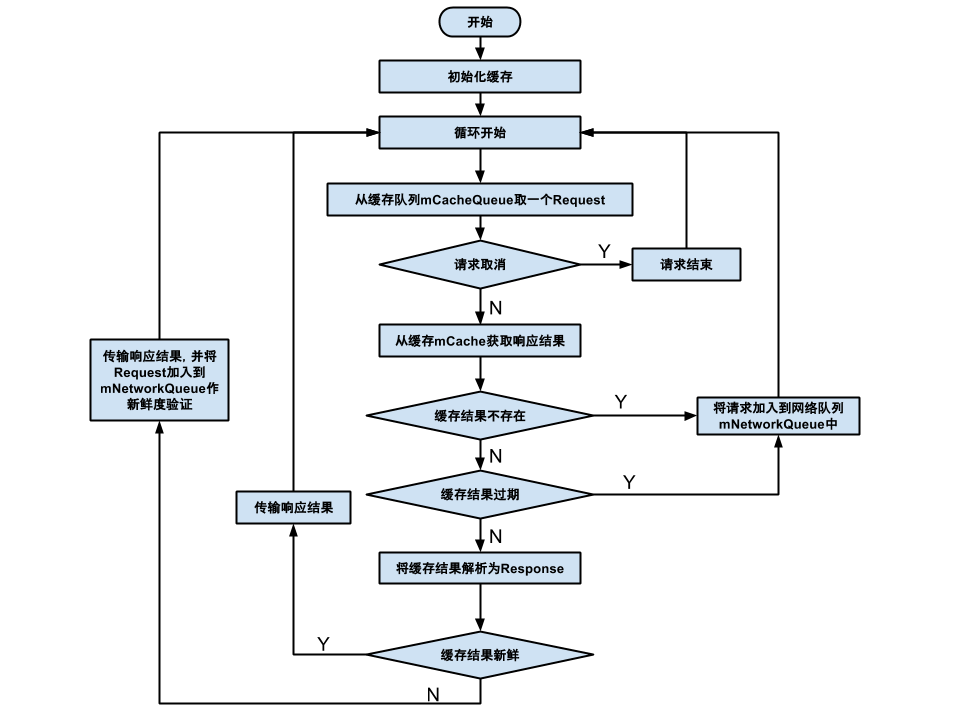 Volley 源碼深度分析:從請求創建到響應分發
我曾寫過一篇對 Volley 源碼分析得毫無頭緒的文章,回頭看時不甚滿意,於是刪掉重寫,便有了今天這篇。 Volley 的使用步驟 1. 創建一個 RequestQueu
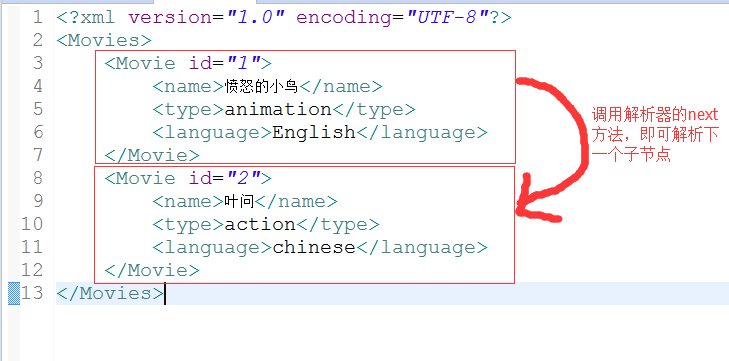 Android 開發筆記:使用 XmlPullParser 解析 XML 資源文件
在 Android 開發中,XML 經常用於儲存設定、版面配置與靜態資料。除了常見的 DOM 與 SAX 解析方式之外,Android 官方也推薦使用輕量且事件驅動的 X
 榮耀8與榮耀V8哪個好?從外型工藝、螢幕到價格全面比較
華為在上海的發表會上正式推出榮耀8。此前傳聞它比 V8 做工更精、顏值更高,看到實機之後大致可以確認這個說法。於是問題來了:想買榮耀的人,該選 8 還是 V8?華為榮耀8
 PopupWindow 模擬 iOS 底部彈窗
底部彈窗的應用在行動應用中,底部彈窗常用於提供操作選單,例如選擇頭像來源、分享管道或取消操作。它比中央對話框更貼近拇指操作,也符合多數使用者的習慣。PopupWindow