

編輯:關於 Android 程式設計
要用 RoboGuice,最基本的動作是透過註解宣告「這裡需要什麼」,剩下的交給框架。常用的註解有三個:
@InjectView(R.id.hello)      TextView helloLabel;
@InjectResource(R.drawable.icon)   Drawable icon;
@Inject                      LocationManager loc;
分別對應:從佈局中取出 View、從資源中取出內容、以及由 Injector 提供的服務/物件。
模組(Module)是 Guice 建構物件圖的基本單位,而實際執行建構工作的類別稱為 Injector。
在 Guice 中,模組繼承 AbstractModule;在 RoboGuice 中則繼承 AbstractAndroidModule。Injector 會參照模組裡定義的 Bindings,推導出類別與類別之間的關係圖,據此建立所需的物件。
某些情況下你可能想直接取得 Injector 來用,RoboActivity 提供了 getInjector():
Injector injector = getInjector();
LocationManager loc = injector.getInstance(LocationManager.class);
以下示範把一個介面綁定到它的實作:
public class SayModule extends AbstractAndroidModule {

    @Override
    protected void configure() {
        bind(ISayService.class).to(SayHello.class);
    }
}
寫好之後,RoboGuice 需要知道這個模組的存在,才能把它載入進行解析。一旦綁定生效,任何需要 ISayService 的地方只要標上 @Inject,就會拿到 SayHello 的實例——而且測試時只要換一個模組,就能替換成 mock 實作,這正是依賴注入最大的價值。
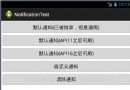 Android Notification 的三種典型寫法與相容處理
收到新訊息時,即使我們沒有打開 App,手機最上方的狀態列也會出現一個小圖示提醒。這個效果靠的就是 Notification。本文整理了三種不同時期的 Notificat
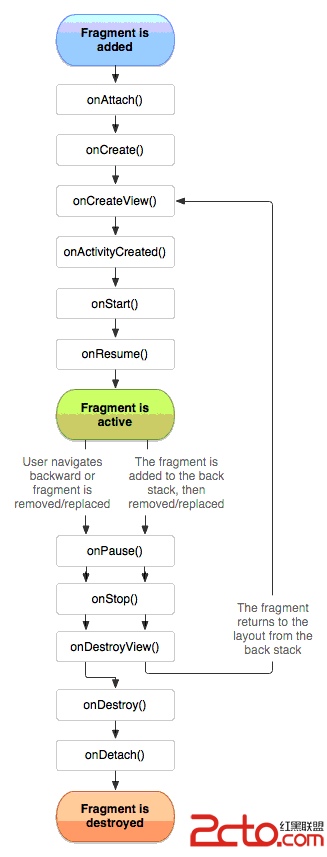 Android Fragment 深入解析:生命週期、通訊、事務管理與复用實作
作者:韓曙亮 | 轉載請註明出處:https://blog.csdn.net/shulianghan/article/details/38064191 本文範例程式碼:
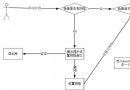 Android 仿新浪微博 OAuth2.0 授權界面的完整實作教學(下篇)
OAuth2.0 授權流程看似繁瑣,但只要理清各環節的職責,就能輕鬆在 Android 中還原新浪微博的登入體驗。整體流程大致如下圖所示: 動手前的準備工作 首先前往新
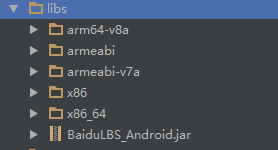 以百度地圖 SDK 取得定位資訊的 Android 實作流程
以下流程以 Android Studio 為開發環境。整體而言,取得定位資訊並不難,可以拆成幾個步驟。 第一步:申請金鑰 註冊百度帳號後,前往百度地圖開放平台建立應用並產