編輯:關於Android編程
Android 詳解ThreadLocal及InheritableThreadLocal
概要:
因為在android中經常用到handler來處理異步任務,通常用於接收消息,來操作UIThread,其中提到涉及到的looper對象就是保存在Threadlocal中的,因此研究下Threadlocal的源碼。
分析都是基於android sdk 23 源碼進行的,ThreadLocal在android和jdk中的實現可能並不一致。
在最初使用Threadlocal的時候,很容易會產生的誤解就是threadlocal就是一個線程。
首先來看下Threadlocal的簡單例子:
一個簡單的Person類:
public class Person {

  public String name;
  public int age;
  public Person(String name, int age) {
    this.name = name;
    this.age = age;
  }
}
一個簡單的activity:
 public class MainActivity extends Activity {

  //ThreadLocal初始化
  private ThreadLocal<Person> mThreadLocal = new ThreadLocal<Person>();
  private Person mPerson = new Person("王大俠", 100);

  @Override
  protected void onCreate(Bundle savedInstanceState) {
    super.onCreate(savedInstanceState);
    setContentView(R.layout.activity_main);
    //將mPerson對象設置進去
    mThreadLocal.set(mPerson);
    Log.d("主線程", " 名字:" + mThreadLocal.get().name + " 年齡:" + mThreadLocal.get().age);
    }
  }
運行看看是否能得到mperson對象:
04-19 13:14:31.053 2801-2801/com.example.franky.myapplication d/主線程: 名字:王大俠 年齡:100
果然得到了!說明當前線程確實已經存儲了mPerson對象的引用。
那麼我們開啟個子線程看看適合還能獲取到mPerson對象呢:
public class MainActivity extends Activity {

//ThreadLocal初始化
private ThreadLocal<Person> mThreadLocal = new ThreadLocal<Person>();
private Person mPerson = new Person("王大俠", 100);

@Override
protected void onCreate(Bundle savedInstanceState) {
  super.onCreate(savedInstanceState);
  setContentView(R.layout.activity_main);
  //將mPerson對象設置進去
  mThreadLocal.set(mPerson);
  new Thread(new Runnable() {
    @Override
    public void run() {
      Log.d("子線程", " 名字:" + mThreadLocal.get().name + " 年齡:" + mThreadLocal.get().age);
    }
  }).start();
}
}
運行看看結果:
`java.lang.NullPointerException: Attempt to read from field '
java.lang.String com.example.franky.myapplication.Person.name' on a null object reference`
哈哈,報錯信息很明顯,空指針異常,這清楚的表明子線程是獲取不到mperson對象的,但可能到這裡一些朋友可能有些暈了,明明我通過set()方法將mperson設置給threadlocal對象了啊,為啥在這裡get()不到呢?
這裡我們開始追蹤threadlocal的源碼看看有沒有線索來解釋這個疑問。
首先我們可以看看threadlocal的構造方法:
/**
 * Creates a new thread-local variable.
 */
public ThreadLocal() {}
構造方法平淡無奇,那麼我們瞅瞅threadlocal的類說明吧,看看有沒有發現:
implements a thread-local storage, that is,
 a variable for which each thread * has its own value.
 all threads share the same {@code threadlocal} object,
* but each sees a different value when accessing it, and
changes made by one * thread do not affect the other threads.
 the implementation supports * {@code null} values.
個人英文其實不是很好,大致的意思是每個線程都能在自己的線程保持一個對象,如果在一個線程改變對象的屬性不會影響其他線程。但我們不要誤讀,如果某個對象是共享變量,那麼在某個線程中改變它時,其他線程訪問的時候其實該對象也被改變了,所以並不是說ThreadLocal是線程安全的,我們只要理解ThreadLocal是能在當前線程保存一個對象的,這樣我們不用到處傳遞這個對象。
那ThreadLocal是線程嗎?其實看看threadlocal有沒有繼承thread類就知道了:
public class ThreadLocal<T> {
}
答案是沒有~~,這說明threadlocal並不是線程。
明白了這點,那我們繼續往下看看ThreadLocal是如何將對象保存起來的,瞅瞅set()方法:
public void set(T value) {
  Thread currentThread = Thread.currentThread();
  Values values = values(currentThread);
  if (values == null) {
    values = initializeValues(currentThread);
  }
  values.put(this, value);
}
首先通過Thread currentthread = thread.currentthread();獲取到當前線程
然後currentthread作為方法參數傳遞給了vlaues方法:
 Values values(Thread current) {
  return current.localValues;
}
這裡我們看到return的是thread類的一個成員變量,我們瞅瞅Thread類中的這個變量:
ThreadLocal.Values localValues;
這裡我們看到localvalues成員變量的類型就是ThreadLocal.Values
這個類其實是ThreadLocal的內部類。
然後這裡判斷得到的values對象是不是null,也就是說Thread類中的成員變量localvalues是不是null,由於我們是初次設置,所以這個對象肯定是null,那繼續走
values initializevalues(thread current) { return current.localvalues = new values();}
很明顯直接給localvalues變量new了一個value對象。那我們看看values對象裡有啥:
首先看看構造:
 Values() {
    initializeTable(INITIAL_SIZE);
    this.size = 0;
    this.tombstones = 0;
  }
看起來是初始化了一些成員變量的值,INITIAL_SIZE的值為16,
看看initializeTable(INITIAL_SIZE)這個方法是做啥的:
 private void initializeTable(int capacity) {
    this.table = new Object[capacity * 2];
    this.mask = table.length - 1;
    this.clean = 0;
    this.maximumLoad = capacity * 2 / 3; // 2/3
  }
初始化了長度為32的table數組,mask為31,clean為0,maximumLoad為10。
又是一堆成員變量,那只好看看變量的說明是做啥的:
這個table很簡單就是個object[]類型,意味著可以存放任何對象,變量說明:
  /**
   * Map entries. Contains alternating keys (ThreadLocal) and values.
   * The length is always a power of 2.
   */
  private Object[] table;
啊!原來這裡就是存放保存的對象的。
其他的變量再看看:
/** Used to turn hashes into indices. */
  private int mask;

 /** Number of live entries. */
  private int size;

 /** Number of tombstones. */
  private int tombstones;

 /** Maximum number of live entries and tombstones. */
  private int maximumLoad;
 /** Points to the next cell to clean up. */
  private int clean;
這樣看來mask是用來計算數組下標的,size其實是存活的保存的對象數量,tombstones是過時的對象數量,maximumLoad是最大的保存數量,clean是指向的下一個要清理的位置。大概明白了這些我們再繼續看:
values.put(this, value);
繼續追蹤:
/**
   * Sets entry for given ThreadLocal to given value, creating an
   * entry if necessary.
   */
  void put(ThreadLocal<?> key, Object value) {
    cleanUp();

    // Keep track of first tombstone. That's where we want to go back
    // and add an entry if necessary.
    int firstTombstone = -1;

    for (int index = key.hash & mask;; index = next(index)) {
      Object k = table[index];

      if (k == key.reference) {
        // Replace existing entry.
        table[index + 1] = value;
        return;
      }

      if (k == null) {
        if (firstTombstone == -1) {
          // Fill in null slot.
          table[index] = key.reference;
          table[index + 1] = value;
          size++;
          return;
        }

        // Go back and replace first tombstone.
        table[firstTombstone] = key.reference;
        table[firstTombstone + 1] = value;
        tombstones--;
        size++;
        return;
      }

      // Remember first tombstone.
      if (firstTombstone == -1 && k == TOMBSTONE) {
        firstTombstone = index;
      }
    }
  }
該方法直接將this對象和要保存的對象傳遞了進來,
第一行的cleanUp()其實是用來對table執行清理的,比如清理一些過時的對象,檢查是否對象的數量是否超過設置值,或者擴容等,這裡不再細說,有興趣大家可以研究下。
然後利用key.hash&mask計算下標,這裡key.hash的初始化值:
private static AtomicInteger hashCounter = new AtomicInteger(0);
private final int hash = hashCounter.getAndAdd(0x61c88647 * 2);
然後注釋說為了確保計算的下標指向的是key值而不是value,當然為啥用上述數值進行計算就能保證獲取的key值,貌似是和這個0x61c88647數值有關,再深入的大家可以留言。
然後最重要的就是
if (firstTombstone == -1) {
        // Fill in null slot.
        table[index] = key.reference;
        table[index + 1] = value;
        size++;
        return;
      }
這裡將自身的引用,而且是弱引用,放在了table[index]上,將value放在它的下一個位置,保證key和value是排列在一起的,這樣其實我們知道了key其實是threadlocal的引用,值是value,它們一同被放置在table數組內。
所以現在的情況是這樣,Thread類中的成員變量localValues是ThreadLocal.Values類型,所以說白了就是當前線程持有了ThreadLocal.Values這樣的數據結構,我們設置的value全部都存儲在裡面了,當然如果我們在一個線程中new了很多ThreadLocal對象,其實指向都是Thread類中的成員變量localValues,而且如果new了很多ThreadLocal對象,其實都是放在table中的不同位置的。
那接下來看看get()方法:
 public T get() {
  // Optimized for the fast path.
  Thread currentThread = Thread.currentThread();
  Values values = values(currentThread);
  if (values != null) {
    Object[] table = values.table;
    int index = hash & values.mask;
    if (this.reference == table[index]) {
      return (T) table[index + 1];
    }
  } else {
    values = initializeValues(currentThread);
  }

  return (T) values.getAfterMiss(this);
}
代碼比較簡單了,首先還是獲取當前線程,然後獲取當前線程的Values對象,也就是Thread類中的成員變量localValues,然後拿到Values對象的table數組,計算下標,獲取保存的對象,當然如果沒有獲取到return (T) values.getAfterMiss(this),就是返回null了,其實看方法Object getAfterMiss(ThreadLocal<?> key)中的這個代碼:
Object value = key.initialValue();

  protected T initialValue() {
  return null;
}
就很清楚了,當然我們可以復寫這個方法來實現自定義返回,大家有興趣可以試試。
到此我們再回過頭來看看開始的疑問,為啥mThreadLocal在子線程獲取不到mPerson對象呢?原因就在於子線程獲取自身線程中的localValues變量中並未保存mPerson,真正保存的是主線程,所以我們是獲取不到的。
看完了ThreadLocal我們再看看它的一個子類InheritableThreadLocal,該類和ThreadLocal最大的不同就是它可以在子線程獲取到保存的對象,而ThreadLocal只能在同一個線程,我們看看簡單的例子:
public class MainActivity extends Activity {

private InheritableThreadLocal<Person> mInheritableThreadLocal = new InheritableThreadLocal<Person>();
private Person mPerson = new Person("王大俠", 100);

@Override
protected void onCreate(Bundle savedInstanceState) {
  super.onCreate(savedInstanceState);
  setContentView(R.layout.activity_main);
  //將mPerson設置到當前線程
  mInheritableThreadLocal.set(mPerson);
  Log.d("主線程"+Thread.currentThread().getName(), " 名字:" + mInheritableThreadLocal.get().name + " 年齡:" + mInheritableThreadLocal.get().age);
  new Thread(new Runnable() {
    @Override
    public void run() {
      Log.d("子線程"+Thread.currentThread().getName(), " 名字:" + mInheritableThreadLocal.get().name + " 年齡:" + mInheritableThreadLocal.get().age);
    }
  }).start();
}}
運行看看輸出:
04-21 13:09:11.046 19457-19457/com.example.franky.myapplication D/主線程main:  名字:王大俠 年齡:100
04-21 13:09:11.083 19457-21729/com.example.franky.myapplication D/子線程Thread-184:  名字:王大俠 年齡:100
很明顯在子線程也獲取到了mPerson對象,那它是如何實現的呢?
看下源碼:
public class InheritableThreadLocal<T> extends ThreadLocal<T> {

/**
 * Creates a new inheritable thread-local variable.
 */
public InheritableThreadLocal() {
}

/**
 * Computes the initial value of this thread-local variable for the child
 * thread given the parent thread's value. Called from the parent thread when
 * creating a child thread. The default implementation returns the parent
 * thread's value.
 *
 * @param parentValue the value of the variable in the parent thread.
 * @return the initial value of the variable for the child thread.
 */
protected T childValue(T parentValue) {
  return parentValue;
}

@Override
Values values(Thread current) {
  return current.inheritableValues;
}

@Override
Values initializeValues(Thread current) {
  return current.inheritableValues = new Values();
}
}
很明顯InheritableThreadLocal重寫了兩個方法:
Values values(Thread current)方法返回了Thread類中的成員變量inheritableValues。
Values initializeValues(Thread current)也是new的對象也是指向inheritableValues。
而ThreadLocal中都是指向的localValues這個變量。
也就是說當我們調用set(T value)方法時,根據前面的分析,其實初始化的是這個inheritableValues,那麼既然子線程能夠獲取到保存的對象,那我們看看這個變量在Thread類中哪裡有調用,搜索下就看到:
private void create(ThreadGroup group, Runnable runnable, String threadName, long stackSize) {
  ...

  // Transfer over InheritableThreadLocals.
  if (currentThread.inheritableValues != null) {
    inheritableValues = new ThreadLocal.Values(currentThread.inheritableValues);
  }

  // add ourselves to our ThreadGroup of choice
  this.group.addThread(this);
}
在Thread類中的create方法中可以看到,該方法在Thread構造方法中被調用,如果currentThread.inheritableValues不為空,就會將它傳遞給Values的有參構造:
 /**
   * Used for InheritableThreadLocals.
   */
  Values(Values fromParent) {
    this.table = fromParent.table.clone();
    this.mask = fromParent.mask;
    this.size = fromParent.size;
    this.tombstones = fromParent.tombstones;
    this.maximumLoad = fromParent.maximumLoad;
    this.clean = fromParent.clean;
    inheritValues(fromParent);
  }
這裡可以看到將inheritableValues的值完全復制過來了,所以我們在子線程一樣可以獲取到保存的變量,我們的分析就到此為止吧。
自己總結的肯定有很多纰漏,還請大家多多指正。
感謝閱讀,希望能幫助到大家,謝謝大家對本站的支持!
 混合開發的大趨勢之一React Native TextInput (文本輸入)
TextInput TextInput是允許用戶輸入文本的基礎組件。 他有一些屬性可以來幫助我們處理業務邏輯諸如onChangeText onSubmitEditing
 android WindowManager解析與騙取QQ密碼案例分析
最近在網上看見一個人在烏雲上提了一個漏洞,應用可以開啟一個後台Service,檢測當前頂部應用,如果為QQ或相關應用,就彈出一個自定義window用來誘騙用戶輸入賬號密碼
 Android Activity與Intent詳解及示例代碼
Android有三個基礎組件Activity,Service和BroadcastReceiver,他們都是依賴Intent來啟動。本文介紹的是Activity的生命周期以
 Android下拉刷新與輪播圖滑動沖突解決方案
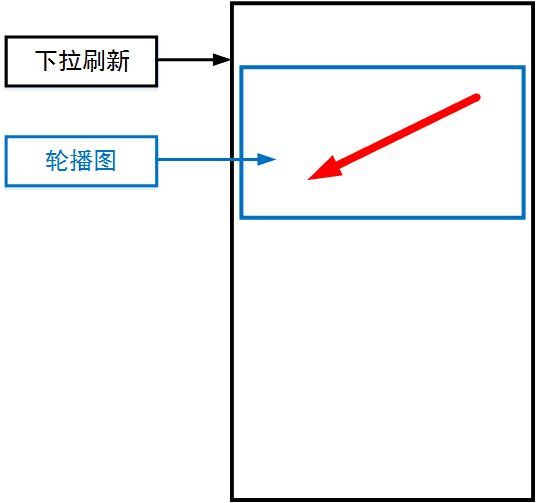
最近在開發中遇到了這樣一個問題,在下拉刷新組件中包含了一個輪播圖組件,當左右滑動的圖片時很容易觸發下拉刷新,如下圖所示:如圖中紅色箭頭所示方向切換輪播圖,很容易觸發下拉刷