編輯:關於Android編程
一直想寫篇關於Android事件派發機制的文章,卻一直沒寫,這兩天剛好是周末,有時間了,想想寫一篇吧,不然總是只停留在會用的層次上但是無法了解其內部機制。我用的是4.4源碼,打開看看,挺復雜的,尤其是事件是怎麼從Activity派發出來的,太費解了。了解Windows消息機制的人會發現,覺得Android的事件派發機制和Windows的消息派發機制挺像的,其實這是一種典型的消息“冒泡”機制,很多平台采用這個機制,消息最先到達最底層View,然後它先進行判斷是不是它所需要的,否則就將消息傳遞給它的子View,這樣一來,消息就從水底的氣泡一樣向上浮了一點距離,以此類推,氣泡達到頂部和空氣接觸,破了(消息被處理了),當然也有氣泡浮出到頂層了,還沒破(消息無人處理),這個消息將由系統來處理,對於Android來說,會由Activity來處理。
點擊事件用MotionEvent來表示,當一個點擊操作發生時,事件最先傳遞給當前Activity,由Activity的dispatchTouchEvent來進行事件派發,具體的工作是由Activity內部的Window來完成的,Window會將事件傳遞給decor view,decor view一般就是當前界面的底層容器(即setContentView所設置的View),通過Activity.getWindow.getDecorView()可以獲得。另外,看下面代碼的的時候,主要看我注釋的地方,代碼很多很復雜,我無法一一說明,但是我注釋的地方都是關鍵點,是博主仔細讀代碼總結出來的。
源碼解讀:
事件是由哪裡傳遞給Activity的,這個我還不清楚,但是不要緊,我們從activity開始分析,已經足夠我們了解它的內部實現了。
Code:Activity#dispatchTouchEvent
    /**
     * Called to process touch screen events.  You can override this to
     * intercept all touch screen events before they are dispatched to the
     * window.  Be sure to call this implementation for touch screen events
     * that should be handled normally.
     *
     * @param ev The touch screen event.
     *
     * @return boolean Return true if this event was consumed.
     */
    public boolean dispatchTouchEvent(MotionEvent ev) {
        if (ev.getAction() == MotionEvent.ACTION_DOWN) {
            //這個函數其實是個空函數,啥也沒干,如果你沒重寫的話,不用關心
            onUserInteraction();
        }
        //這裡事件開始交給Activity所附屬的Window進行派發,如果返回true,整個事件循環就結束了
        //返回false意味著事件沒人處理,所有人的onTouchEvent都返回了false,那麼Activity就要來做最後的收場。
        if (getWindow().superDispatchTouchEvent(ev)) {
            return true;
        }
        //這裡,Activity來收場了,Activity的onTouchEvent被調用
        return onTouchEvent(ev);
    }
Window是如何將事件傳遞給ViewGroup的
Code:Window#superDispatchTouchEvent
    /**
     * Used by custom windows, such as Dialog, to pass the touch screen event
     * further down the view hierarchy. Application developers should
     * not need to implement or call this.
     *
     */
    public abstract boolean superDispatchTouchEvent(MotionEvent event);
這竟然是一個抽象函數,還注明了應用開發者不要實現它或者調用它,這是什麼情況?再看看如下類的說明,大意是說:這個類可以控制頂級View的外觀和行為策略,而且還說這個類的唯一一個實現位於android.policy.PhoneWindow,當你要實例化這個Window類的時候,你並不知道它的細節,因為這個類會被重構,只有一個工廠方法可以使用。好吧,還是很模糊啊,不太懂,不過我們可以看一下android.policy.PhoneWindow這個類,盡管實例化的時候此類會被重構,但是重構而已,功能是類似的。
Abstract base class for a top-level window look and behavior policy. An instance of this class should be used as the top-level view added to the window manager. It provides standard UI policies such as a background, title area, default key processing, etc.
The only existing implementation of this abstract class is android.policy.PhoneWindow, which you should instantiate when needing a Window. Eventually that class will be refactored and a factory method added for creating Window instances without knowing about a particular implementation.
Code:PhoneWindow#superDispatchTouchEvent
    @Override
    public boolean superDispatchTouchEvent(MotionEvent event) {
        return mDecor.superDispatchTouchEvent(event);
    }
這個邏輯很清晰了,PhoneWindow將事件傳遞給DecorView了,這個DecorView是啥呢,請看下面
    private final class DecorView extends FrameLayout implements RootViewSurfaceTaker

    // This is the top-level view of the window, containing the window decor.
    private DecorView mDecor;

    @Override
    public final View getDecorView() {
        if (mDecor == null) {
            installDecor();
        }
        return mDecor;
    }
順便說一下,平時Window用的最多的就是((ViewGroup)getWindow().getDecorView().findViewById(android.R.id.content)).getChildAt(0)即通過Activity來得到內部的View。這個mDecor顯然就是getWindow().getDecorView()返回的View,而我們通過setContentView設置的View是它的一個子View。目前事件傳遞到了DecorView 這裡,由於DecorView 繼承自FrameLayout且是我們的父View,所以最終事件會傳遞給我們的View,原因先不管了,換句話來說,事件肯定會傳遞到我們的View,不然我們的應用如何響應點擊事件呢。不過這不是我們的重點,重點是事件到了我們的View以後應該如何傳遞,這是對我們更有用的。從這裡開始,事件已經傳遞到我們的頂級View了,注意:頂級View實際上是最底層View,也叫根View。
點擊事件到底層View(一般是一個ViewGroup)以後,會調用ViewGroup的dispatchTouchEvent方法,然後的邏輯是這樣的:如果底層ViewGroup攔截事件即onInterceptTouchEvent返回true,則事件由ViewGroup處理,這個時候,如果ViewGroup的mOnTouchListener被設置,則會onTouch會被調用,否則,onTouchEvent會被調用,也就是說,如果都提供的話,onTouch會屏蔽掉onTouchEvent。在onTouchEvent中,如果設置了mOnClickListener,則onClick會被調用。如果頂層ViewGroup不攔截事件,則事件會傳遞給它的在點擊事件鏈上的子View,這個時候,子View的dispatchTouchEvent會被調用,到此為止,事件已經從最底層View傳遞給了上一層View,接下來的行為和其底層View一致,如此循環,完成整個事件派發。另外要說明的是,ViewGroup默認是不攔截點擊事件的,其onInterceptTouchEvent返回false。
源碼解讀:
Code:ViewGroup#dispatchTouchEvent
    @Override
    public boolean dispatchTouchEvent(MotionEvent ev) {
        if (mInputEventConsistencyVerifier != null) {
            mInputEventConsistencyVerifier.onTouchEvent(ev, 1);
        }

        boolean handled = false;
        if (onFilterTouchEventForSecurity(ev)) {
            final int action = ev.getAction();
            final int actionMasked = action & MotionEvent.ACTION_MASK;

            // Handle an initial down.
            if (actionMasked == MotionEvent.ACTION_DOWN) {
                // Throw away all previous state when starting a new touch gesture.
                // The framework may have dropped the up or cancel event for the previous gesture
                // due to an app switch, ANR, or some other state change.
                cancelAndClearTouchTargets(ev);
                resetTouchState();
            }

            // Check for interception.
            final boolean intercepted;
            if (actionMasked == MotionEvent.ACTION_DOWN
                    || mFirstTouchTarget != null) {
                final boolean disallowIntercept = (mGroupFlags & FLAG_DISALLOW_INTERCEPT) != 0;
                if (!disallowIntercept) {
		            //這裡判斷是否攔截點擊事件,如果攔截,則intercepted=true
                    intercepted = onInterceptTouchEvent(ev);
                    ev.setAction(action); // restore action in case it was changed
                } else {
                    intercepted = false;
                }
            } else {
                // There are no touch targets and this action is not an initial down
                // so this view group continues to intercept touches.
                intercepted = true;
            }

            // Check for cancelation.
            final boolean canceled = resetCancelNextUpFlag(this)
                    || actionMasked == MotionEvent.ACTION_CANCEL;

            // Update list of touch targets for pointer down, if needed.
            final boolean split = (mGroupFlags & FLAG_SPLIT_MOTION_EVENTS) != 0;
            TouchTarget newTouchTarget = null;
            boolean alreadyDispatchedToNewTouchTarget = false;
	            //這裡面一大堆是派發事件到子View,如果intercepted是true,則直接跳過
            if (!canceled && !intercepted) {
                if (actionMasked == MotionEvent.ACTION_DOWN
                        || (split && actionMasked == MotionEvent.ACTION_POINTER_DOWN)
                        || actionMasked == MotionEvent.ACTION_HOVER_MOVE) {
                    final int actionIndex = ev.getActionIndex(); // always 0 for down
                    final int idBitsToAssign = split ? 1 << ev.getPointerId(actionIndex)
                            : TouchTarget.ALL_POINTER_IDS;

                    // Clean up earlier touch targets for this pointer id in case they
                    // have become out of sync.
                    removePointersFromTouchTargets(idBitsToAssign);

                    final int childrenCount = mChildrenCount;
                    if (newTouchTarget == null && childrenCount != 0) {
                        final float x = ev.getX(actionIndex);
                        final float y = ev.getY(actionIndex);
                        // Find a child that can receive the event.
                        // Scan children from front to back.
                        final View[] children = mChildren;

                        final boolean customOrder = isChildrenDrawingOrderEnabled();
                        for (int i = childrenCount - 1; i >= 0; i--) {
                            final int childIndex = customOrder ?
                                    getChildDrawingOrder(childrenCount, i) : i;
                            final View child = children[childIndex];
                            if (!canViewReceivePointerEvents(child)
                                    || !isTransformedTouchPointInView(x, y, child, null)) {
                                continue;
                            }

                            newTouchTarget = getTouchTarget(child);
                            if (newTouchTarget != null) {
                                // Child is already receiving touch within its bounds.
                                // Give it the new pointer in addition to the ones it is handling.
                                newTouchTarget.pointerIdBits |= idBitsToAssign;
                                break;
                            }

                            resetCancelNextUpFlag(child);
                            if (dispatchTransformedTouchEvent(ev, false, child, idBitsToAssign)) {
                                // Child wants to receive touch within its bounds.
                                mLastTouchDownTime = ev.getDownTime();
                                mLastTouchDownIndex = childIndex;
                                mLastTouchDownX = ev.getX();
                                mLastTouchDownY = ev.getY();
                                //注意下面兩句,如果有子View處理了點擊事件,則newTouchTarget會被賦值,
                                //同時alreadyDispatchedToNewTouchTarget也會為true,這兩個變量是直接影響下面的代碼邏輯的。
                                newTouchTarget = addTouchTarget(child, idBitsToAssign);
                                alreadyDispatchedToNewTouchTarget = true;
                                break;
                            }
                        }
                    }

                    if (newTouchTarget == null && mFirstTouchTarget != null) {
                        // Did not find a child to receive the event.
                        // Assign the pointer to the least recently added target.
                        newTouchTarget = mFirstTouchTarget;
                        while (newTouchTarget.next != null) {
                            newTouchTarget = newTouchTarget.next;
                        }
                        newTouchTarget.pointerIdBits |= idBitsToAssign;
                    }
                }
            }

            // Dispatch to touch targets.
	        //這裡如果當前ViewGroup攔截了事件,或者其子View的onTouchEvent都返回了false,則事件會由ViewGroup處理
            if (mFirstTouchTarget == null) {
                // No touch targets so treat this as an ordinary view.
		            //這裡就是ViewGroup對點擊事件的處理
                handled = dispatchTransformedTouchEvent(ev, canceled, null,
                        TouchTarget.ALL_POINTER_IDS);
            } else {
                // Dispatch to touch targets, excluding the new touch target if we already
                // dispatched to it.  Cancel touch targets if necessary.
                TouchTarget predecessor = null;
                TouchTarget target = mFirstTouchTarget;
                while (target != null) {
                    final TouchTarget next = target.next;
                    if (alreadyDispatchedToNewTouchTarget && target == newTouchTarget) {
                        handled = true;
                    } else {
                        final boolean cancelChild = resetCancelNextUpFlag(target.child)
                                || intercepted;
                        if (dispatchTransformedTouchEvent(ev, cancelChild,
                                target.child, target.pointerIdBits)) {
                            handled = true;
                        }
                        if (cancelChild) {
                            if (predecessor == null) {
                                mFirstTouchTarget = next;
                            } else {
                                predecessor.next = next;
                            }
                            target.recycle();
                            target = next;
                            continue;
                        }
                    }
                    predecessor = target;
                    target = next;
                }
            }

            // Update list of touch targets for pointer up or cancel, if needed.
            if (canceled
                    || actionMasked == MotionEvent.ACTION_UP
                    || actionMasked == MotionEvent.ACTION_HOVER_MOVE) {
                resetTouchState();
            } else if (split && actionMasked == MotionEvent.ACTION_POINTER_UP) {
                final int actionIndex = ev.getActionIndex();
                final int idBitsToRemove = 1 << ev.getPointerId(actionIndex);
                removePointersFromTouchTargets(idBitsToRemove);
            }
        }

        if (!handled && mInputEventConsistencyVerifier != null) {
            mInputEventConsistencyVerifier.onUnhandledEvent(ev, 1);
        }
        return handled;
    }
Code:ViewGroup#dispatchTransformedTouchEvent
    /**
     * Transforms a motion event into the coordinate space of a particular child view,
     * filters out irrelevant pointer ids, and overrides its action if necessary.
     * If child is null, assumes the MotionEvent will be sent to this ViewGroup instead.
     */
    private boolean dispatchTransformedTouchEvent(MotionEvent event, boolean cancel,
            View child, int desiredPointerIdBits) {
        final boolean handled;

        // Canceling motions is a special case.  We don't need to perform any transformations
        // or filtering.  The important part is the action, not the contents.
        final int oldAction = event.getAction();
        if (cancel || oldAction == MotionEvent.ACTION_CANCEL) {
            event.setAction(MotionEvent.ACTION_CANCEL);
            if (child == null) {
		        //這裡就是ViewGroup對點擊事件的處理,其調用了View的dispatchTouchEvent方法
                handled = super.dispatchTouchEvent(event);
            } else {
                handled = child.dispatchTouchEvent(event);
            }
            event.setAction(oldAction);
            return handled;
        }

        // Calculate the number of pointers to deliver.
        final int oldPointerIdBits = event.getPointerIdBits();
        final int newPointerIdBits = oldPointerIdBits & desiredPointerIdBits;

        // If for some reason we ended up in an inconsistent state where it looks like we
        // might produce a motion event with no pointers in it, then drop the event.
        if (newPointerIdBits == 0) {
            return false;
        }

        // If the number of pointers is the same and we don't need to perform any fancy
        // irreversible transformations, then we can reuse the motion event for this
        // dispatch as long as we are careful to revert any changes we make.
        // Otherwise we need to make a copy.
        final MotionEvent transformedEvent;
        if (newPointerIdBits == oldPointerIdBits) {
            if (child == null || child.hasIdentityMatrix()) {
                if (child == null) {
                    handled = super.dispatchTouchEvent(event);
                } else {
                    final float offsetX = mScrollX - child.mLeft;
                    final float offsetY = mScrollY - child.mTop;
                    event.offsetLocation(offsetX, offsetY);

                    handled = child.dispatchTouchEvent(event);

                    event.offsetLocation(-offsetX, -offsetY);
                }
                return handled;
            }
            transformedEvent = MotionEvent.obtain(event);
        } else {
            transformedEvent = event.split(newPointerIdBits);
        }

        // Perform any necessary transformations and dispatch.
        if (child == null) {
            handled = super.dispatchTouchEvent(transformedEvent);
        } else {
            final float offsetX = mScrollX - child.mLeft;
            final float offsetY = mScrollY - child.mTop;
            transformedEvent.offsetLocation(offsetX, offsetY);
            if (! child.hasIdentityMatrix()) {
                transformedEvent.transform(child.getInverseMatrix());
            }

            handled = child.dispatchTouchEvent(transformedEvent);
        }

        // Done.
        transformedEvent.recycle();
        return handled;
    }
再看
Code:View#dispatchTouchEvent
   /**
     * Pass the touch screen motion event down to the target view, or this
     * view if it is the target.
     *
     * @param event The motion event to be dispatched.
     * @return True if the event was handled by the view, false otherwise.
     */
    public boolean dispatchTouchEvent(MotionEvent event) {
        if (mInputEventConsistencyVerifier != null) {
            mInputEventConsistencyVerifier.onTouchEvent(event, 0);
        }

        if (onFilterTouchEventForSecurity(event)) {
            //noinspection SimplifiableIfStatement
            ListenerInfo li = mListenerInfo;
            if (li != null && li.mOnTouchListener != null && (mViewFlags & ENABLED_MASK) == ENABLED
                    && li.mOnTouchListener.onTouch(this, event)) {
                return true;
            }

            if (onTouchEvent(event)) {
                return true;
            }
        }

        if (mInputEventConsistencyVerifier != null) {
            mInputEventConsistencyVerifier.onUnhandledEvent(event, 0);
        }
        return false;
    }
這段代碼比較簡單,View對事件的處理是這樣的:如果設置了OnTouchListener就調用onTouch,否則就直接調用onTouchEvent,而onClick是在onTouchEvent內部通過performClick觸發的。簡單來說,事件如果被ViewGroup攔截或者子View的onTouchEvent都返回了false,則事件最終由ViewGroup處理。如果一個點擊事件,子View的onTouchEvent返回了false,則父View的onTouchEvent會被直接調用,以此類推。如果所有的View都不處理,則最終會由Activity來處理,這個時候,Activity的onTouchEvent會被調用。這個問題已經在1和2中做了說明。
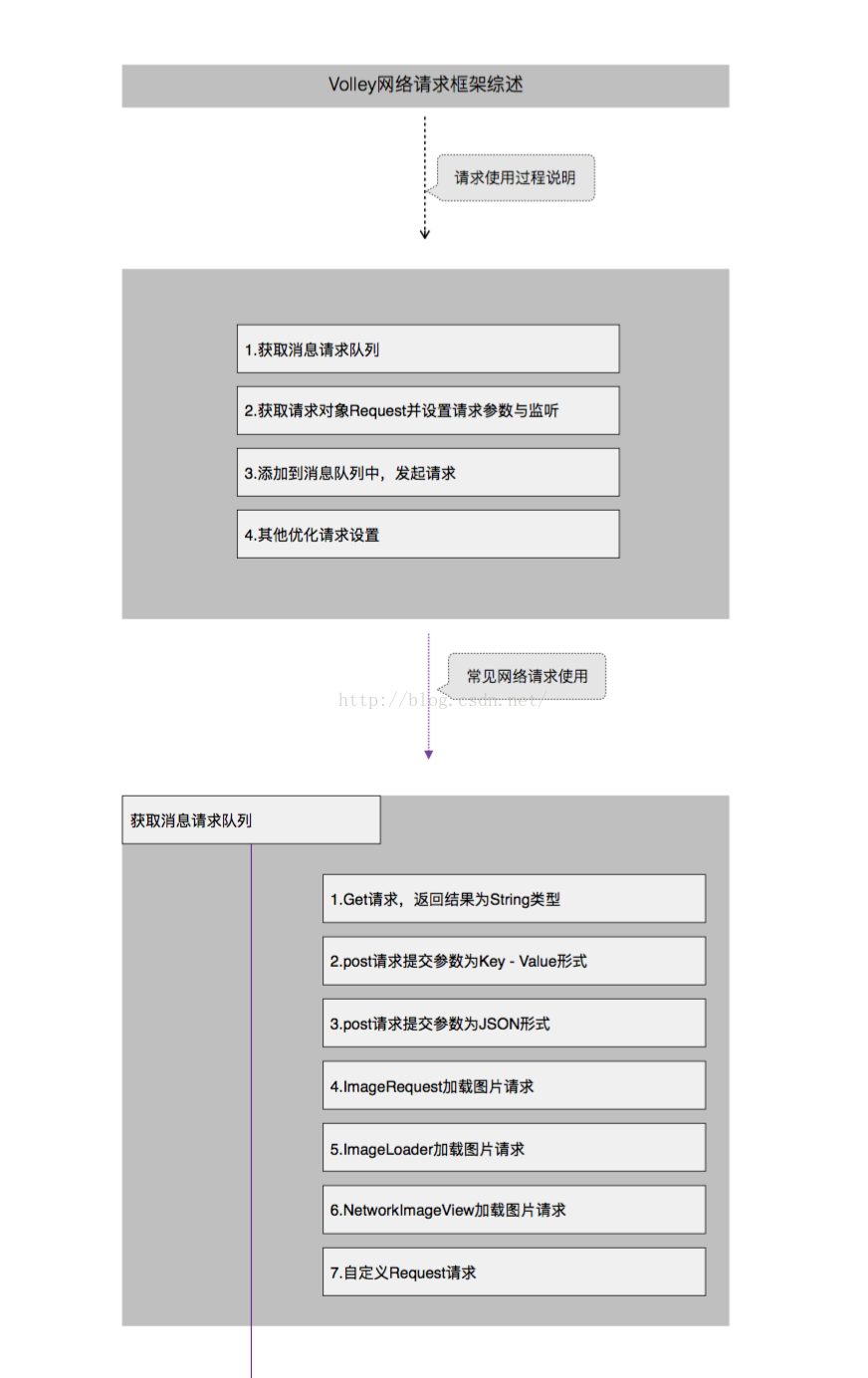 Volley網絡請求框架簡析——Android網絡請求框架(三)
1、初始化一個消息請求隊列以及網絡請求工具類對象/** * Created by androidlongs on 16/7/1. * 網絡請求訪問框架
 Android 6.0指紋識別App開發案例
在android 6.0中google終於給android系統加上了指紋識別的支持,這個功能在iPhone上早就已經實現了,並且在很多廠商的定制的ROM中也都自己內部實現
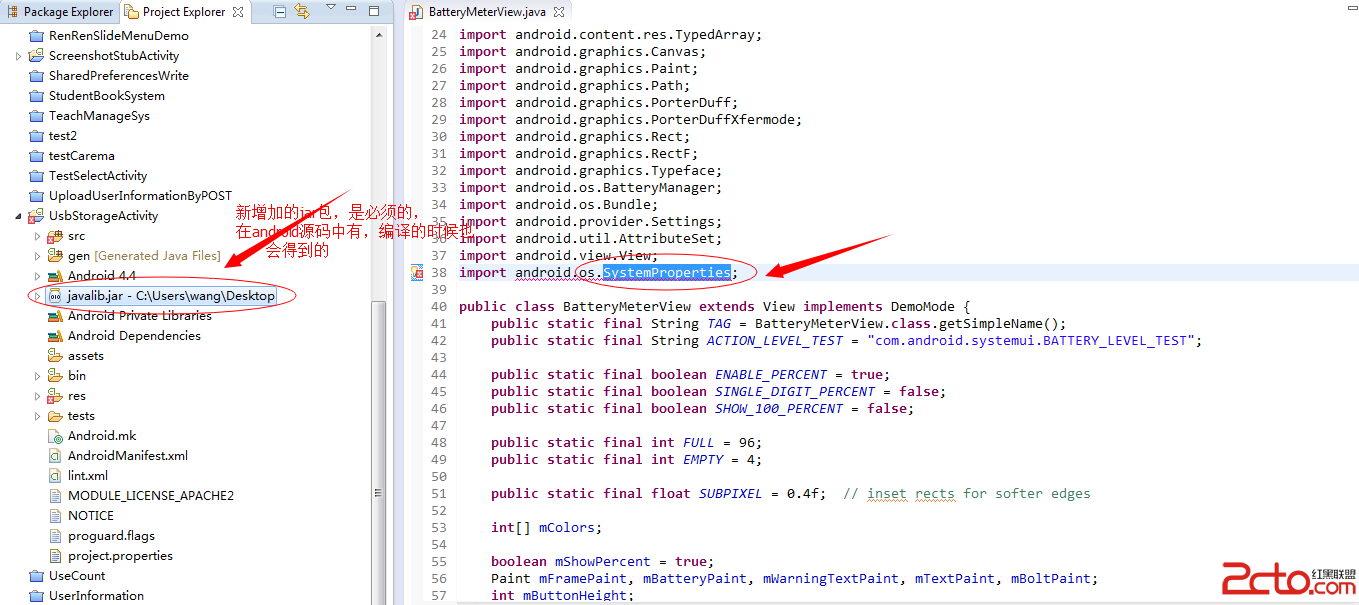 Android學習之往系統應用中添加framework層的jar包
Framework中的app為什麼在編譯的時候需要到源碼中編譯: 因為缺少必要的包(源碼)----在連接的時候是以class文件來連接編譯的 以Systemeui為例
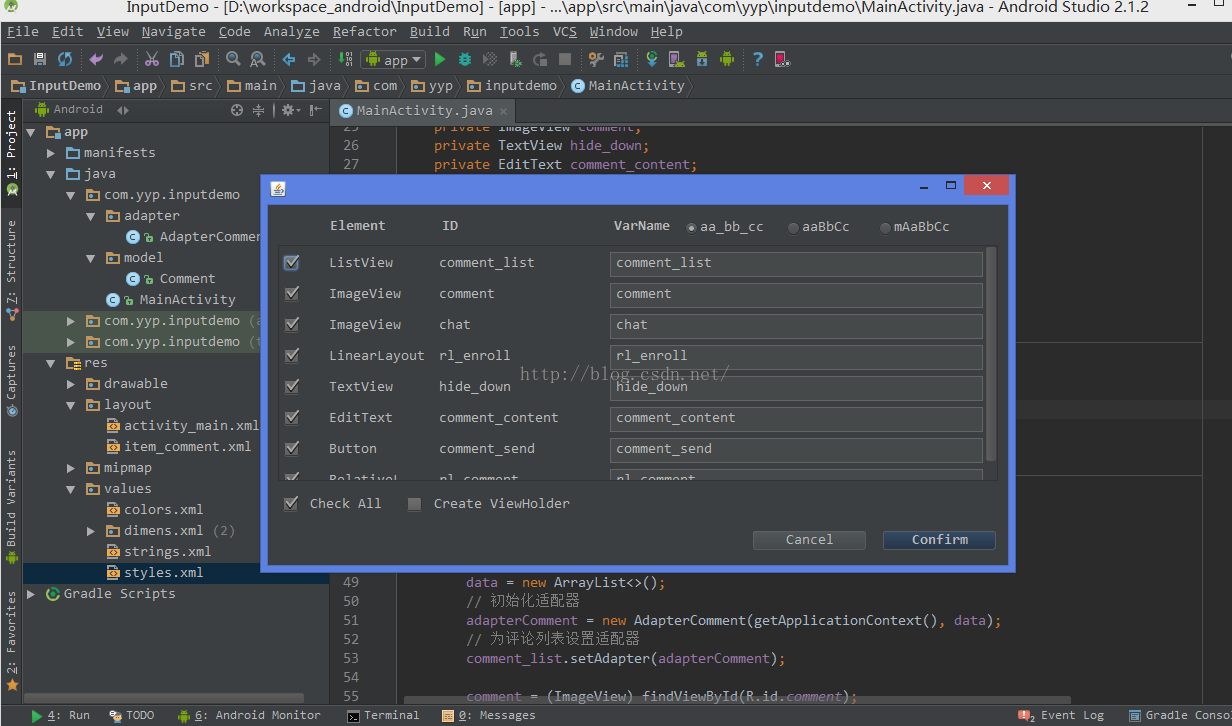 Android評論功能的實現
目前,各種App的社區或者用戶曬照片、發說說的地方,都提供了評論功能,為了更好地學習,自己把這個功能實現了一下,做了個小的Demo。首先推薦一款實用的插件LayoutCr