

編輯:Android 開發實例
本文總結了 Android 開發中幾種常見的加密算法,包括 Base64、AES 與 RSA,並附上完整代碼,供大家參考。
嚴格來說 Base64 是一種「編碼」而非加密,常用於把二進制數據轉換成可打印的字符。它的核心是把每 3 個字節編碼成 4 個字符:
package com.long; import java.io.ByteArrayOutputStream; import java.io.IOException; import java.io.OutputStream; public class Base64 { private static final char[] legalChars = "ABCDEFGHIJKLMNOPQRSTUVWXYZabcdefghijklmnopqrstuvwxyz0123456789+/" .toCharArray(); public static String encode(byte[] data) { int start = 0; int len = data.length; StringBuffer buf = new StringBuffer(data.length * 3 / 2); int end = len - 3; int i = start; int n = 0; while (i <= end) { int d = ((((int) data[i]) & 0x0ff) << 16) | ((((int) data[i + 1]) & 0x0ff) << 8) | (((int) data[i + 2]) & 0x0ff); buf.append(legalChars[(d >> 18) & 63]); buf.append(legalChars[(d >> 12) & 63]); buf.append(legalChars[(d >> 6) & 63]); buf.append(legalChars[d & 63]); i += 3; if (n++ >= 14) { n = 0; buf.append(" "); } } if (i == start + len - 2) { int d = ((((int) data[i]) & 0x0ff) << 16) | ((((int) data[i + 1]) & 255) << 8); buf.append(legalChars[(d >> 18) & 63]); buf.append(legalChars[(d >> 12) & 63]); buf.append(legalChars[(d >> 6) & 63]); buf.append("="); } else if (i == start + len - 1) { int d = (((int) data[i]) & 0x0ff) << 16; buf.append(legalChars[(d >> 18) & 63]); buf.append(legalChars[(d >> 12) & 63]); buf.append("=="); } return buf.toString(); } private static int decode(char c) { if (c >= 'A' && c <= 'Z') return ((int) c) - 65; else if (c >= 'a' && c <= 'z') return ((int) c) - 97 + 26; else if (c >= '0' && c <= '9') return ((int) c) - 48 + 26 + 26; else switch (c) { case '+': return 62; case '/': return 63; case '=': return 0; default: throw new RuntimeException("unexpected code: " + c); } } public static byte[] decode(String s) { ByteArrayOutputStream bos = new ByteArrayOutputStream(); try { decode(s, bos); } catch (IOException e) { throw new RuntimeException(); } byte[] decodedBytes = bos.toByteArray(); try { bos.close(); bos = null; } catch (IOException ex) { System.err.println("Error while decoding BASE64: " + ex.toString()); } return decodedBytes; } private static void decode(String s, OutputStream os) throws IOException { int i = 0; int len = s.length(); while (true) { while (i < len && s.charAt(i) <= ' ') i++; if (i == len) break; int tri = (decode(s.charAt(i)) << 18) + (decode(s.charAt(i + 1)) << 12) + (decode(s.charAt(i + 2)) << 6) + (decode(s.charAt(i + 3))); os.write((tri >> 16) & 255); if (s.charAt(i + 2) == '=') break; os.write((tri >> 8) & 255); if (s.charAt(i + 3) == '=') break; os.write(tri & 255); i += 4; } } }
AES 是一種對稱加密算法,加解密使用同一把密鑰。下面這個工具類支持字符串的加密與解密,並以十六進制輸出:
package com.long; import java.security.SecureRandom; import javax.crypto.Cipher; import javax.crypto.KeyGenerator; import javax.crypto.SecretKey; import javax.crypto.spec.SecretKeySpec; public class Encryption { private final static String HEX = "0123456789ABCDEF"; public static String encrypt(String seed, String cleartext) throws Exception { byte[] rawKey = getRawKey(seed.getBytes()); byte[] result = encrypt(rawKey, cleartext.getBytes()); return toHex(result); } public static String decrypt(String seed, String encrypted) throws Exception { byte[] rawKey = getRawKey(seed.getBytes()); byte[] enc = toByte(encrypted); byte[] result = decrypt(rawKey, enc); return new String(result); } private static byte[] getRawKey(byte[] seed) throws Exception { KeyGenerator kgen = KeyGenerator.getInstance("AES"); SecureRandom sr = SecureRandom.getInstance("SHA1PRNG"); sr.setSeed(seed); kgen.init(128, sr); // 192 and 256 bits may not be available SecretKey skey = kgen.generateKey(); byte[] raw = skey.getEncoded(); return raw; } private static byte[] encrypt(byte[] raw, byte[] clear) throws Exception { SecretKeySpec skeySpec = new SecretKeySpec(raw, "AES"); Cipher cipher = Cipher.getInstance("AES"); cipher.init(Cipher.ENCRYPT_MODE, skeySpec); byte[] encrypted = cipher.doFinal(clear); return encrypted; } private static byte[] decrypt(byte[] raw, byte[] encrypted) throws Exception { SecretKeySpec skeySpec = new SecretKeySpec(raw, "AES"); Cipher cipher = Cipher.getInstance("AES"); cipher.init(Cipher.DECRYPT_MODE, skeySpec); byte[] decrypted = cipher.doFinal(encrypted); return decrypted; } public static String toHex(String txt) { return toHex(txt.getBytes()); } public static String fromHex(String hex) { return new String(toByte(hex)); } public static byte[] toByte(String hexString) { int len = hexString.length() / 2; byte[] result = new byte[len]; for (int i = 0; i < len; i++) result[i] = Integer.valueOf(hexString.substring(2 * i, 2 * i + 2), 16).byteValue(); return result; } public static String toHex(byte[] buf) { if (buf == null) return ""; StringBuffer result = new StringBuffer(2 * buf.length); for (int i = 0; i < buf.length; i++) { appendHex(result, buf[i]); } return result.toString(); } private static void appendHex(StringBuffer sb, byte b) { sb.append(HEX.charAt((b >> 4) & 0x0f)).append(HEX.charAt(b & 0x0f)); } }
RSA 是一種非對稱加密算法,使用公鑰加密、私鑰解密。下面是密鑰生成、加解密的完整示例:
import java.security.Key; import java.security.KeyFactory; import java.security.KeyPair; import java.security.KeyPairGenerator; import java.security.PrivateKey; import java.security.PublicKey; import java.security.interfaces.RSAPrivateKey; import java.security.interfaces.RSAPublicKey; import java.security.spec.PKCS8EncodedKeySpec; import java.security.spec.X509EncodedKeySpec; import javax.crypto.Cipher; import sun.misc.BASE64Decoder; import sun.misc.BASE64Encoder; public class RSAHelper { public static PublicKey getPublicKey(String key) throws Exception { byte[] keyBytes; keyBytes = (new BASE64Decoder()).decodeBuffer(key); X509EncodedKeySpec keySpec = new X509EncodedKeySpec(keyBytes); KeyFactory keyFactory = KeyFactory.getInstance("RSA"); PublicKey publicKey = keyFactory.generatePublic(keySpec); return publicKey; } public static PrivateKey getPrivateKey(String key) throws Exception { byte[] keyBytes; keyBytes = (new BASE64Decoder()).decodeBuffer(key); PKCS8EncodedKeySpec keySpec = new PKCS8EncodedKeySpec(keyBytes); KeyFactory keyFactory = KeyFactory.getInstance("RSA"); PrivateKey privateKey = keyFactory.generatePrivate(keySpec); return privateKey; } public static String getKeyString(Key key) throws Exception { byte[] keyBytes = key.getEncoded(); String s = (new BASE64Encoder()).encode(keyBytes); return s; } public static void main(String[] args) throws Exception { KeyPairGenerator keyPairGen = KeyPairGenerator.getInstance("RSA"); keyPairGen.initialize(1024); KeyPair keyPair = keyPairGen.generateKeyPair(); PublicKey publicKey = (RSAPublicKey) keyPair.getPublic(); PrivateKey privateKey = (RSAPrivateKey) keyPair.getPrivate(); String publicKeyString = getKeyString(publicKey); System.out.println("public:\n" + publicKeyString); String privateKeyString = getKeyString(privateKey); System.out.println("private:\n" + privateKeyString); Cipher cipher = Cipher.getInstance("RSA"); byte[] plainText = "我們都很好!郵件:@sina.com".getBytes(); cipher.init(Cipher.ENCRYPT_MODE, publicKey); byte[] enBytes = cipher.doFinal(plainText); publicKey = getPublicKey(publicKeyString); privateKey = getPrivateKey(privateKeyString); cipher.init(Cipher.DECRYPT_MODE, privateKey); byte[]deBytes = cipher.doFinal(enBytes); String s = new String(deBytes); System.out.println(s); } }
小結一下三者適用場景:Base64 只是編碼,不能當作安全手段;AES 是對稱加密,速度快,適合大量數據加密,但密鑰分發要格外小心;RSA 是非對稱加密,安全性更高但速度較慢,通常用於密鑰交換或少量敏感數據。實際項目中,常見做法是「RSA 傳 AES 密鑰,再用 AES 加密業務數據」的組合方案。另外需注意,代碼中使用的 sun.misc.BASE64 並非官方 API,正式環境建議改用 java.util.Base64 或 Android 的 android.util.Base64。
希望本文所述對大家的 Android 程序設計有所幫助。
 Android 進程間通訊原理剖析:AIDL 與 Service 實戰
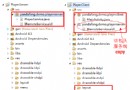
Service 的兩種型態 · 本地服務(Local Service):在同一個 APK 內被呼叫 · 遠端服務(Remote Service):由另一個 APK 呼叫,
 以百度地圖 SDK 實現 Android 定位功能:完整流程解析
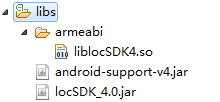
LBS 位置服務是 Android 應用中愈來愈常見的能力,從定位、地圖顯示到導航,都建立在它之上。本文以百度地圖定位 SDK 為例,逐步示範如何完成一次定位並把結果回傳
 Android 圖片效果:用 Bitmap 與像素運算做灰階、亮暗調整
Android 讓你能對圖片套用各種處理效果,例如調整亮度、加深暗度、轉成灰階等。做法背後的原理其實很直觀:一張圖片本質上就是二維的像素矩陣,只要逐一取出每個像素的 RG
 從支付寶與微信首頁看 Android 事件分發:可拖曳 GridView 實戰
很多 Android 開發者會以支付寶、微信首頁作為事件分發的練習題,因為這類頁面常同時包含 ViewPager、ScrollView、GridView 與拖曳排序,很容