

編輯:關於 Android 程式設計
在閱讀 Android 源碼時,常常能從中學到一些優雅的 Java 寫法。本文要分享的是 Bundle 類別中 getParcelable 方法的實作,它巧妙地運用了泛型,讓方法在取回 Parcelable 物件時,不必由呼叫端再做一次 cumbersome 的型別轉換。
/**
 * Returns the value associated with the given key, or null if
 * no mapping of the desired type exists for the given key or a null
 * value is explicitly associated with the key.
 *
 * @param key a String, or null
 * @return a Parcelable value, or null
 */
public <T extends Parcelable> T getParcelable(String key) {
    unparcel();
    Object o = mMap.get(key);
    if (o == null) {
        return null;
    }
    try {
        return (T) o;
    } catch (ClassCastException e) {
        typeWarning(key, o, "Parcelable", e);
        return null;
    }
}
這個方法最精彩的地方,在於方法簽名宣告了 <T extends Parcelable>,回傳型別也直接使用泛型 T。這意味著呼叫端可以這樣寫:
MyObject obj = bundle.getParcelable("key");
由於編譯器能依據左值自動推斷出型別 T,我們完全不必再手動加上 (MyObject) 的轉型。這正是所謂「弱化方法返回值型別」的精髓——把型別資訊交由呼叫端的上下文來決定,讓程式碼更簡潔、型別更安全。
當然,這背後仍伴隨著一個未檢查的轉型(unchecked cast),所以方法內部特別用 try-catch 包住強制轉型,一旦發生 ClassCastException,就透過 typeWarning 提示開發者,並回傳 null 而非讓程式崩潰。這種既追求簡潔、又兼顧健壯性的設計思路,非常值得我們在自己的專案中借鏡。
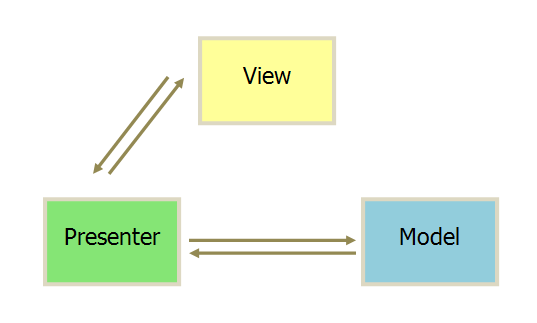 智能廚房重構筆記(二):用 MVP 架構馴服失控的 Activity
上一篇介紹了專案的分包結構,這篇來談 MVP 架構在專案中的實際落地。 MVP 可以視為 MVC 的一種升級。在 MVP 普及之前大家都寫 MVC,但那套做法有個致命缺點
 IntentService 深入解析:工作執行緒、排隊機制與源碼流程
為什麼需要 IntentService IntentService 繼承自 Service,要理解它的價值,得先回到 Service 本身的限制。 Service 的所有
 Android 自craftsmanship自定義多層級篩選控件完整實作
今天實作了一個多層級篩選控件,效果如下: 這個控件由兩大部分組成: 1. 頂部的一排篩選標題按鈕(也就是四個 ToggleButton,會依篩選項數量動態追加)。 2.
 Android 多方向抽屜效果:Panel 控制項實作與閃爍修正
要在 Android 上做出類似 Launcher 抽屜的效果,多數人第一個想到的是官方的 SlidingDrawer。但本文的主角並不是它,而是一個民間的控制項集合:a