

編輯:關於 Android 開發
在做物聯網外包開發時,經常需要處理透過 WiFi 接收的數據:有時要把收到的字節轉成十六進制字符串,有時又要還原成十進制數據;而發送時,也需要依據雙方協議把數據轉換成 byte 字節再發出去,才能避免硬件端收到亂碼。本文整理這類數據轉換的實務經驗。
原始數據示例:68 38 38 68 ... 16
Android 端透過 DataInputStream 讀取,得到的是 byte 字節數組:
DataInputStream dis = new DataInputStream(new BufferedInputStream(socket.getInputStream())); byte readBuffer[] = new byte[64]; int count = 0; try { count = dis.read(readBuffer); } catch (IOException e) { continue; }readBuffer 收到的數據是這樣的:104, 56, 56, 104, 0, 114, 120, 85, 52, 18, ... 22
若直接把它轉成 String,肯定會亂碼,因為硬件發來的是十六進制數據。將 readBuffer 轉成十六進制後如下:68 , 38 , 38 , 68 , 00 , 72 , 78 , 55 , 34 , 12 , ... 16,可以看出與硬件發送的內容一致。這裡並非十六進制的 Y、CS 就用 00 填充了。這些都需要根據雙方收發協議來解析處理。
Android 端要發送的原始數據是十六進制字符串,例如 68 04 04 68 35 FD 50 00 A0 16,此時需要把十六進制字符串轉換成 byte 數組。
private String mstrRestartSend = "FE FE 68 04 04 68 53 FD 50 00 A0 16"; private byte[] mRestart = null; mRestart = StringUtil.HexCommandtoByte(mstrRestartSend.getBytes()); public class StringUtil { // 十六進制的字符串轉換成byte數組 public static byte[] HexCommandtoByte(byte[] data) { if (data == null) { return null; } int nLength = data.length; String strTemString = new String(data, 0, nLength); String[] strings = strTemString.split(" "); nLength = strings.length; data = new byte[nLength]; for (int i = 0; i < nLength; i++) { if (strings[i].length() != 2) { data[i] = 00; continue; } try { data[i] = (byte)Integer.parseInt(strings[i], 16); } catch (Exception e) { data[i] = 00; continue; } } return data; } }這樣發過去就不會出錯或亂碼。很多初學者,尤其是在物聯網開發中,常搞不清這個基本的數據交流轉換。
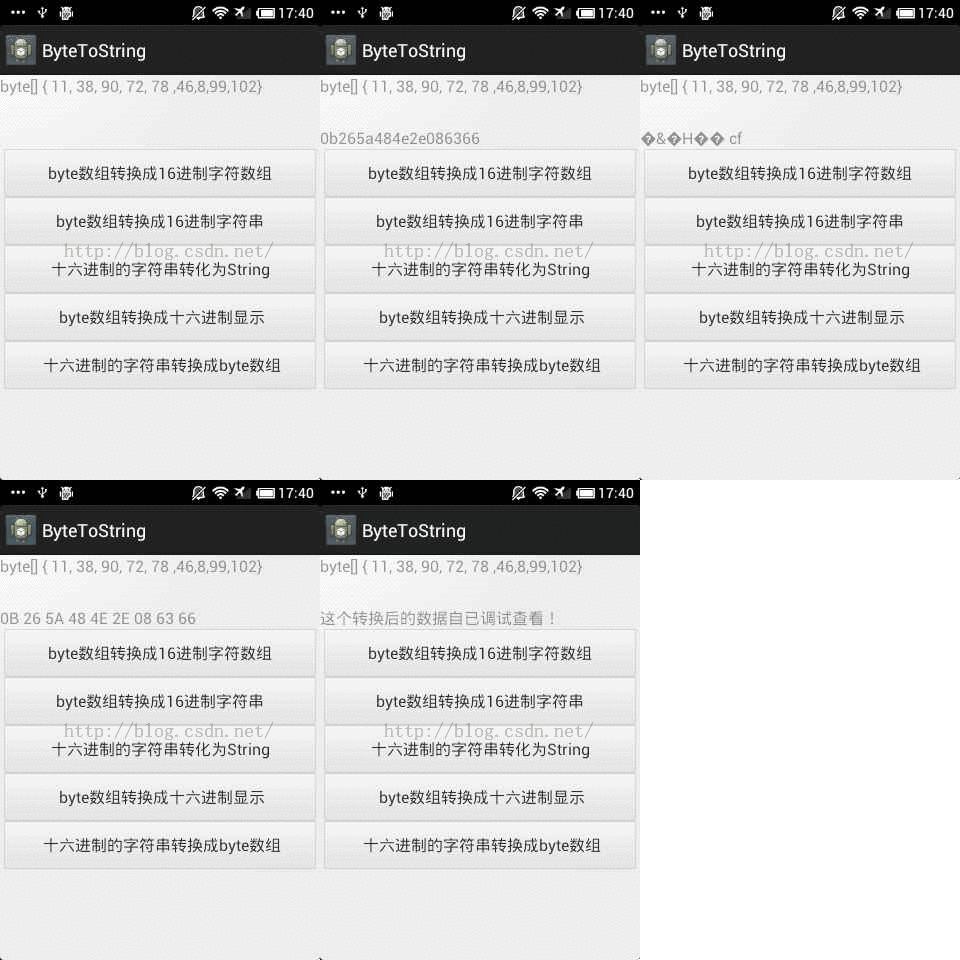
以下整理了 Java 中二進制、十進制、十六進制、ASCII 碼與 String、字節數組、十六進制字符串之間相互轉換的方法:
public class DigitalTrans { /** * 數字字符串轉ASCII碼字符串 */ public static String StringToAsciiString(String content) { String result = ""; int max = content.length(); for (int i = 0; i < max; i++) { char c = content.charAt(i); String b = Integer.toHexString(c); result = result + b; } return result; } /** * 十六進制轉字符串 */ public static String hexStringToString(String hexString, int encodeType) { String result = ""; int max = hexString.length() / encodeType; for (int i = 0; i < max; i++) { char c = (char) DigitalTrans.hexStringToAlgorism(hexString .substring(i * encodeType, (i + 1) * encodeType)); result += c; } return result; } /** * 十六進制字符串裝十進制 */ public static int hexStringToAlgorism(String hex) { hex = hex.toUpperCase(); int max = hex.length(); int result = 0; for (int i = max; i > 0; i--) { char c = hex.charAt(i - 1); int algorism = 0; if (c >= '0' && c <= '9') { algorism = c - '0'; } else { algorism = c - 55; } result += Math.pow(16, max - i) * algorism; } return result; } /** * 十六轉二進制 */ public static String hexStringToBinary(String hex) { hex = hex.toUpperCase(); String result = ""; int max = hex.length(); for (int i = 0; i < max; i++) { char c = hex.charAt(i); switch (c) { case '0': result += "0000"; break; case '1': result += "0001"; break; case '2': result += "0010"; break; case '3': result += "0011"; break; case '4': result += "0100"; break; case '5': result += "0101"; break; case '6': result += "0110"; break; case '7': result += "0111"; break; case '8': result += "1000"; break; case '9': result += "1001"; break; case 'A': result += "1010"; break; case 'B': result += "1011"; break; case 'C': result += "1100"; break; case 'D': result += "1101"; break; case 'E': result += "1110"; break; case 'F': result += "1111"; break; } } return result; } /** * ASCII碼字符串轉數字字符串 */ public static String AsciiStringToString(String content) { String result = ""; int length = content.length() / 2; for (int i = 0; i < length; i++) { String c = content.substring(i * 2, i * 2 + 2); int a = hexStringToAlgorism(c); char b = (char) a; String d = String.valueOf(b); result += d; } return result; } /** * 將十進制轉換為指定長度的十六進制字符串 */ public static String algorismToHEXString(int algorism, int maxLength) { String result = ""; result = Integer.toHexString(algorism); if (result.length() % 2 == 1) { result = "0" + result; } return patchHexString(result.toUpperCase(), maxLength); } /** * 字節數組轉為普通字符串(ASCII對應的字符) */ public static String bytetoString(byte[] bytearray) { String result = ""; char temp; int length = bytearray.length; for (int i = 0; i < length; i++) { temp = (char) bytearray[i]; result += temp; } return result; } /** * 二進制字符串轉十進制 */ public static int binaryToAlgorism(String binary) { int max = binary.length(); int result = 0; for (int i = max; i > 0; i--) { char c = binary.charAt(i - 1); int algorism = c - '0'; result += Math.pow(2, max - i) * algorism; } return result; } /** * 十進制轉換為十六進制字符串 */ public static String algorismToHEXString(int algorism) { String result = ""; result = Integer.toHexString(algorism); if (result.length() % 2 == 1) { result = "0" + result; } result = result.toUpperCase(); return result; } /** * HEX字符串前補0,主要用於長度位數不足。 */ static public String patchHexString(String str, int maxLength) { String temp = ""; for (int i = 0; i < maxLength - str.length(); i++) { temp = "0" + temp; } str = (temp + str).substring(0, maxLength); return str; } /** * 將一個字符串轉換為int */ public static int parseToInt(String s, int defaultInt, int radix) { int i = 0; try { i = Integer.parseInt(s, radix); } catch (NumberFormatException ex) { i = defaultInt; } return i; } /** * 將一個十進制形式的數字字符串轉換為int */ public static int parseToInt(String s, int defaultInt) { int i = 0; try { i = Integer.parseInt(s); } catch (NumberFormatException ex) { i = defaultInt; } return i; } /** * 十六進制字符串轉為Byte數組,每兩個十六進制字符轉為一個Byte */ public static byte[] hexStringToByte(String hex) { int max = hex.length() / 2; byte[] bytes = new byte[max]; String binarys = DigitalTrans.hexStringToBinary(hex); for (int i = 0; i < max; i++) { bytes[i] = (byte) DigitalTrans.binaryToAlgorism(binarys.substring( i * 8 + 1, (i + 1) * 8)); if (binarys.charAt(8 * i) == '1') { bytes[i] = (byte) (0 - bytes[i]); } } return bytes; } /** * 十六進制串轉化為byte數組 */ public static final byte[] hex2byte(String hex) throws IllegalArgumentException { if (hex.length() % 2 != 0) { throw new IllegalArgumentException(); } char[] arr = hex.toCharArray(); byte[] b = new byte[hex.length() / 2]; for (int i = 0, j = 0, l = hex.length(); i < l; i++, j++) { String swap = "" + arr[i++] + arr[i]; int byteint = Integer.parseInt(swap, 16) & 0xFF; b[j] = new Integer(byteint).byteValue(); } return b; } /** * 字節數組轉換為十六進制字符串 */ public static final String byte2hex(byte b[]) { if (b == null) { throw new IllegalArgumentException( "Argument b ( byte array ) is null! "); } String hs = ""; String stmp = ""; for (int n = 0; n < b.length; n++) { stmp = Integer.toHexString(b[n] & 0xff); if (stmp.length() == 1) { hs = hs + "0" + stmp; } else { hs = hs + stmp; } } return hs.toUpperCase(); } }
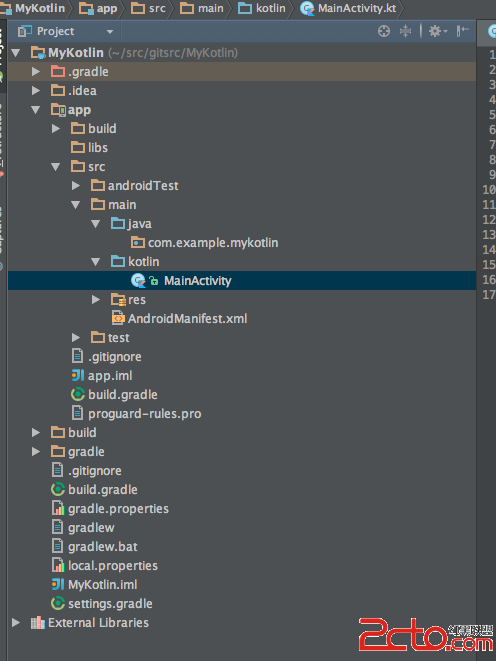 用 Kotlin 開發 Android 應用:從工程配置到代碼轉換的完整入門
 一、Kotlin 是什麼 Kotlin 是一門基於 JVM 的編程語言,正在成長為 Andr
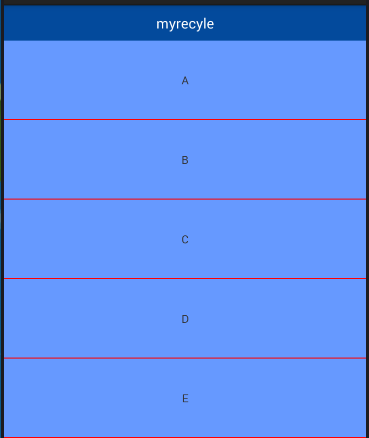 RecyclerView 與 PullToRefreshListView 實作下拉刷新、上拉加載對比
RecyclerView 與 PullToRefreshListView 對比在專案中,下拉刷新與上拉加載是極為常見的需求。過去通常靠自訂 ListView 或直接套用
 自訂左下角弧形旋轉選單的實作解析
成品效果 整個自訂控制項的核心其實就是一個 ArcMenu(那圈半圓弧),左下角的圖示並未加入控制項本身。我是在既有類別的基礎上做了些調整: 首先,原本的做法是把左下角關
 Android Fragment 與 Activity 的互動:Bundle 傳參與介面回呼
Fragment 與宿主 Activity 之間常需要交換資料。一般來說,Fr