

編輯:關於 Android 程式設計
點擊事件是 Android 開發最基礎的互動,而實作方式其實有三種。以下逐一對照說明。
activity_main.xml:
 <Button
 android:layout_width="wrap_content"
 android:layout_height="wrap_content"
 android:text="@string/show_toast"
 android:onClick="showToast" >
 </Button>
MainActivity.java 中只要補上對應的 public 方法即可,注意方法簽名必須接收一個 View 參數:
 /**
 * 顯示 toast 提示訊息
 * @param v
 */
 public void showToast(View v) {
 Toast.makeText(MainActivity.this, "這裡是提示訊息", Toast.LENGTH_SHORT).show();
 }
這種寫法的好處是直覺,缺點是方法名稱寫在 XML 裡,若後端方法改名而忘記同步,編譯階段不會報錯,卻會在執行時才炸掉。
activity_main.xml:
 <Button
 android:layout_width="wrap_content"
 android:layout_height="wrap_content"
 android:text="@string/changeToRed"
 android:id="@+id/button2" >
 </Button>
 @Override
 protected void onCreate(Bundle savedInstanceState) {
 super.onCreate(savedInstanceState);
 setContentView(R.layout.activity_main);

 Button button2 = (Button) findViewById(R.id.button2);
 button2.setOnClickListener(new OnClickListener() {
 public void onClick(View v) {
 text.setBackgroundColor(Color.RED);
 }
 });
 }
這是最常見的寫法,每個控制項各自獨立,可讀性高。
 @Override
 public void onCreate(Bundle savedInstanceState) {
 super.onCreate(savedInstanceState);
 setContentView(R.layout.testevent);

 mText = (TextView) findViewById(R.id.text1);

 mButton1 = (Button) findViewById(R.id.button1);
 mButton1.setOnClickListener(this);

 mButton2 = (Button) findViewById(R.id.button2);
 mButton2.setOnClickListener(this);
 }

 public void onClick(View v) {
 Log.v(TAG, "onClick()");
 switch (v.getId()) {
 case R.id.button1:
 mText.setBackgroundColor(Color.RED);
 break;
 case R.id.button2:
 mText.setBackgroundColor(Color.GREEN);
 break;
 default:
 Log.v(TAG, "other");
 break;
 }
 }
當畫面上有大量按鈕時,這種集中式寫法能避免產生一堆匿名類別;代價是 onClick 內部要自己用 switch 分流,按鈕一多可讀性就會下降。
三種方式沒有絕對優劣:按鈕少而邏輯各自獨立時,方法二最清晰;按鈕數量龐大且行為相似時,方法三比較精簡;方法一則適合極簡單的展示型頁面。
 用 ViewPager 實現 Android 應用引導頁效果
許多 App 在首次安裝打開時,都會有一組功能介紹的引導頁——就像剛裝完微信時那樣,一張張圖片滑過,底部還有一排小圓點提示目前位置。本文示範如何用 ViewPager 實
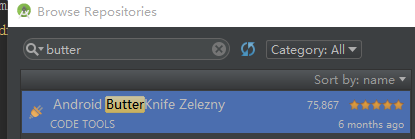 Android開發筆記:專案的搭建與ButterKnife使用
本系列文章會依專案進度進行相關介紹,它會分為多個模組,每個模組互不依賴,各自都是獨立的學習內容,比如sqlite學習模組、contacts聯繫人模組等。新建專案相信大部分
 用 Java 呼叫 MonkeyRunner API 進行 Android 自動化測試
一般使用 Android MonkeyRunner 做自動化測試時,多數人會選擇 Python 撰寫腳本。不過,MonkeyRunner 也可以透過 Java 呼叫,適合
 Android 自動檢測版本與自動升級的完整方案
應用上線後,如何讓用戶及時用上最新版本?自動檢測與升級機制必不可少。整體流程分三步: 1. 檢測當前版本信息,讀取 AndroidManifest.xml 中的 andr